

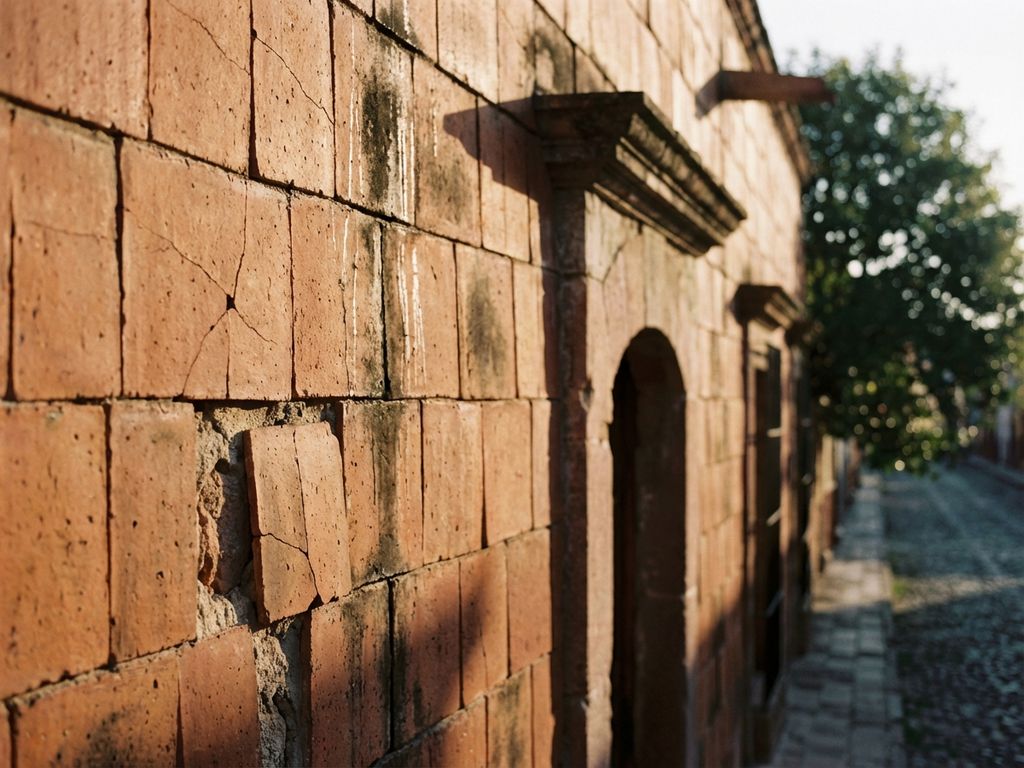
Terracotta facade longevity depends on five critical factors: material quality, installation precision, environmental exposure, maintenance practices, and architectural design. High-quality terracotta facades can last 50–100 years when properly manufactured and installed, while poor-quality systems may deteriorate within 10–20 years. Understanding these factors helps architects and building owners make informed decisions about facade selection and care.
What makes some terracotta facades last decades while others deteriorate quickly?
The fundamental difference lies in material quality and manufacturing processes. Long-lasting terracotta facades are made from high-quality clay fired at temperatures exceeding 1,200°C, creating dense, non-porous surfaces that resist water penetration and freeze–thaw damage. Poor-quality facades often use inferior clay or insufficient firing temperatures, resulting in porous materials that absorb moisture and crack under thermal stress.
Clay composition plays a crucial role in durability. Premium terracotta uses carefully selected clay with optimal mineral content and minimal impurities. The firing process must reach sufficient temperatures to achieve complete vitrification, where clay particles fuse into a dense, glass-like structure. This creates the smooth, impermeable surface that characterises high-quality ceramic facades.
Manufacturing consistency also affects longevity. Precision-manufactured elements maintain uniform thickness and density throughout each piece, preventing weak spots that could lead to premature failure. Quality control during production ensures every facade element meets strict dimensional tolerances and structural requirements.
How does installation quality affect terracotta facade lifespan?
Installation quality directly determines whether terracotta facades achieve their potential lifespan. Proper mounting systems and structural support prevent stress concentrations that cause cracking and failure. Poor installation can reduce a high-quality facade’s lifespan by decades, while expert installation maximises durability even with standard materials.
Critical installation factors include adequate structural support to handle wind loads and thermal movement. The substructure must accommodate thermal expansion and contraction without transferring stress to the ceramic elements. Mounting systems should distribute loads evenly and allow for natural building movement.
Weatherproofing details require particular attention. Properly sealed joints prevent water infiltration behind the facade, which can cause structural damage and freeze–thaw deterioration. Installation teams must follow manufacturer specifications precisely, ensuring correct fastener spacing, sealant application, and thermal bridge prevention.
The mounting system design affects long-term performance significantly. Systems that mechanically fix each element while allowing thermal movement perform better than rigid attachment methods. Professional installation includes quality checks at each stage to verify alignment, sealing, and structural integrity.
What environmental conditions pose the greatest threats to terracotta facades?
Freeze–thaw cycles and thermal stress represent the most significant environmental threats to terracotta facades. Water that penetrates facade elements or joints can freeze and expand, creating internal pressure that cracks or spalls the ceramic surface. Repeated thermal cycling causes expansion and contraction that stresses mounting systems and sealants.
UV exposure affects facade appearance rather than structural integrity. Lower-quality ceramic surfaces may fade or discolour over time, though properly fired terracotta maintains colour stability for decades. Acid rain and atmospheric pollutants can cause surface etching on some ceramic types, particularly in industrial environments.
Wind loads create dynamic stresses that test mounting systems and structural connections. Coastal environments present additional challenges through salt exposure, which can accelerate corrosion of metal components and affect sealant performance. Extreme temperature variations stress both the ceramic elements and their connections.
Regional climate patterns influence facade performance significantly. Areas with frequent freeze–thaw cycles require higher-quality materials and more robust installation details. Hot, dry climates may cause different thermal stresses than humid environments with moderate temperatures.
Why is regular maintenance crucial for terracotta facade longevity?
Regular maintenance prevents minor issues from becoming major structural problems that compromise facade integrity. Inspection schedules and preventive care can extend facade lifespan by 20–30 years compared to neglected systems. Early detection of sealant failure, loose elements, or water infiltration allows for cost-effective repairs before damage spreads.
Essential maintenance practices include annual visual inspections to identify cracked or loose elements, damaged sealants, or signs of water penetration. Professional inspections every 3–5 years should examine mounting systems, structural connections, and overall facade performance. Cleaning removes dirt and pollutants that can cause long-term surface deterioration.
Sealant replacement represents the most common maintenance requirement. Most facade sealants require renewal every 10–15 years to maintain weatherproofing performance. Prompt replacement prevents water infiltration that could damage both the ceramic elements and supporting structure.
Documentation of maintenance activities helps track facade performance and plan future interventions. Regular maintenance programmes typically cost far less than major repairs or premature facade replacement caused by neglect.
How does facade design impact long-term terracotta performance?
Architectural design decisions significantly influence terracotta facade durability through water management and thermal performance. Well-designed facades shed water effectively, minimise thermal bridging, and distribute structural loads appropriately. Poor design creates conditions that accelerate deterioration regardless of material quality.
Water management represents the most critical design consideration. Facades should incorporate drainage details, appropriate slopes, and overhangs that direct water away from vulnerable areas. Joint design must prevent water infiltration while accommodating thermal movement. Horizontal surfaces require particular attention to prevent water pooling.
Thermal bridging prevention maintains facade performance and reduces stress on ceramic elements. Continuous insulation and thermal breaks in the mounting system prevent condensation and reduce thermal cycling. Proper thermal design also improves building energy efficiency.
Structural load distribution affects mounting system design and facade element sizing. Designs should transfer loads efficiently to the building structure without creating stress concentrations in the ceramic elements. Joint spacing and expansion accommodation must align with expected thermal movement ranges.
How TONALITY® maximises terracotta facade longevity
TONALITY® addresses all critical longevity factors through advanced ceramic manufacturing and integrated facade systems. Our sinter firing process at temperatures exceeding 1,200°C creates exceptionally dense, non-porous surfaces with superior weather resistance and dimensional stability.
Key longevity advantages include:
- Single-layer ceramic construction eliminates delamination risks common in composite systems
- Integrated mounting profiles simplify installation while ensuring proper thermal movement accommodation
- Building material class A1 certification provides permanent fire resistance without degradation
- Precision manufacturing to within one millimetre ensures consistent quality and performance
- 100% recyclable materials support sustainable building lifecycles
- Integrated graffiti protection and permanent UV resistance reduce maintenance requirements
Our lightweight ceramic elements (approximately 40 kg per square metre) reduce structural loads while maintaining superior durability. The interlocking mounting system distributes loads evenly and accommodates thermal movement without compromising weatherproofing performance. You can explore our successful project installations to see how these systems perform in real-world applications.
Contact our technical team to discuss how TONALITY® ceramic facade systems can deliver exceptional longevity for your next project while reducing lifecycle maintenance requirements.
Related Articles
- 8 Key Differences Between Terracotta and Natural Stone Facades
- Is fiber cement or terracotta more durable for building facades?
- 5 Historic Buildings Successfully Restored with New Terracotta
- 5 Universities That Chose Terracotta Facades (And Why)
- 10 Award-Winning Terracotta Facade Projects Every Architect Should See