

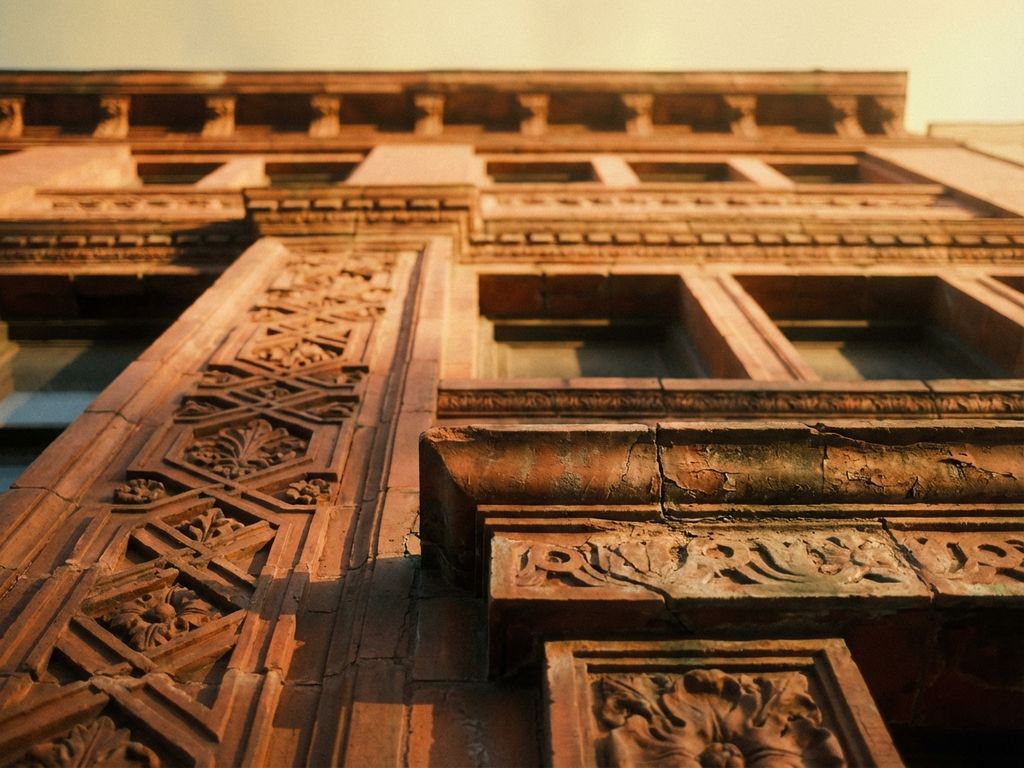
A terracotta facade is a building cladding system made from fired clay ceramic tiles that provides both aesthetic appeal and functional protection. These facades feature natural clay materials fired at high temperatures to create durable, weather-resistant exterior surfaces. Modern terracotta systems offer extensive design flexibility while delivering excellent fire resistance and long-term performance for commercial and residential buildings.
What exactly is a terracotta facade and how is it made?
Terracotta facades are ceramic cladding systems created from natural clay that undergoes high-temperature firing to produce durable building exterior elements. The manufacturing process transforms raw clay materials into weather-resistant facade tiles through carefully controlled heating and cooling cycles.
The production begins with sourcing high-quality clay deposits, typically from regions known for their ceramic-grade materials. The clay is processed, shaped, and formed into specific facade element profiles designed for architectural applications. The critical manufacturing stage involves firing these formed elements in kilns at temperatures exceeding 1,200 degrees Celsius.
This high-temperature sinter firing process creates the characteristic properties that make terracotta facades so effective. The intense heat fuses the clay particles together, creating a dense, low-porosity surface that resists water penetration, freeze-thaw cycles, and environmental weathering. The firing process also locks in colour pigments, ensuring long-term colour stability.
Modern terracotta facade elements are precision-manufactured to exact dimensions, allowing for consistent installation and appearance. The back surfaces are often profiled with interlocking features that facilitate mounting to structural support systems.
What are the main benefits of choosing terracotta for building facades?
Terracotta facades offer exceptional durability, fire resistance, and design versatility while requiring minimal maintenance throughout their service life. These ceramic systems provide natural weather protection, permanent colour retention, and complete recyclability for sustainable building practices.
The fire safety properties of terracotta facades make them particularly valuable for modern construction. Classified as building material class A1, these ceramic elements are completely non-combustible and contain no flammable components. This classification makes them suitable for high-rise buildings and structures with strict fire safety requirements.
Design flexibility represents another major advantage. Terracotta facades can be produced in virtually unlimited colours, textures, and surface finishes. The ceramic material accepts various glazes and treatments, allowing architects to achieve specific aesthetic goals while maintaining structural performance.
Environmental benefits include complete recyclability and energy efficiency. Terracotta elements can be deconstructed and reused with minimal processing, supporting circular economy principles. The material’s thermal properties also contribute to building energy performance through natural insulation characteristics.
Maintenance requirements are exceptionally low. The dense, fired ceramic surface naturally resists staining, graffiti, and biological growth. Regular cleaning with standard building maintenance procedures keeps terracotta facades looking new for decades.
How are terracotta facade systems installed and mounted?
Terracotta facade installation involves mounting ceramic elements to vertical aluminium support profiles using interlocking systems that ensure secure attachment while allowing for thermal movement. The lightweight nature of modern terracotta reduces substructure requirements compared to traditional masonry systems.
The installation process begins with establishing the structural support framework. Vertical aluminium retaining profiles are mounted to the building structure at specified intervals, creating the mounting grid for the ceramic elements. These profiles must be precisely aligned to ensure proper facade appearance and performance.
Individual terracotta elements feature profiled backs that interlock with the vertical support profiles. This mechanical connection system distributes loads effectively while accommodating thermal expansion and building movement. The interlocking design eliminates the need for complex fastening systems.
Installation efficiency is enhanced by the relatively low weight of terracotta elements. Modern ceramic facade tiles typically weigh around 40 kilograms per square metre, significantly less than traditional clay or stone cladding systems. This reduced weight allows for lighter substructures and faster installation.
Quality control during installation involves verifying alignment, checking mechanical connections, and ensuring proper drainage paths. The modular nature of terracotta systems allows for individual element replacement if needed without affecting surrounding areas.
What’s the difference between terracotta and other ceramic facade materials?
Terracotta differs from other ceramic facades primarily in clay composition, firing temperature, and manufacturing process, resulting in distinct performance characteristics, weight properties, and application suitability compared to porcelain, glazed ceramic, or fibre cement alternatives.
Manufacturing processes vary significantly between terracotta and other ceramic options. Terracotta uses natural clay fired at specific temperatures to achieve its characteristic properties, while porcelain ceramics require different clay compositions and higher firing temperatures. These process differences affect final product density, water absorption, and thermal properties.
Weight considerations distinguish terracotta from heavier ceramic alternatives. Traditional ceramic facade materials often require substantial structural support, while modern terracotta systems achieve strength with reduced weight. This difference impacts both installation complexity and building structural requirements.
Surface characteristics also vary between ceramic facade types. Terracotta naturally develops its surface properties through the firing process, while other ceramics may rely more heavily on applied glazes or surface treatments. This affects long-term appearance retention and maintenance requirements.
Application suitability depends on specific project requirements. Terracotta excels in applications requiring natural appearance, fire resistance, and sustainable material choices. Other ceramic options may be preferred for applications requiring specific technical properties or aesthetic characteristics.
How does TONALITY® deliver superior terracotta facade solutions?
TONALITY® addresses common terracotta facade challenges through specialized manufacturing processes, lightweight design, and comprehensive fire protection properties that exceed standard ceramic facade performance while simplifying installation and reducing long-term maintenance requirements.
TONALITY® ceramic facade systems deliver exceptional performance through:
- Advanced sinter firing at temperatures exceeding 1,200°C for unrivalled surface density and weather resistance
- Lightweight construction at approximately 40 kg per square metre, reducing structural requirements by up to 40%
- A1 fire classification providing complete non-combustibility for maximum building safety
- Precision manufacturing tolerance within one millimetre for perfect alignment and appearance
- Integrated graffiti protection and permanent UV resistance, eliminating costly maintenance cycles
- Complete recyclability supporting sustainable construction and circular economy principles
The innovative interlocking profile system transforms installation efficiency. Simply mount the vertical aluminium profiles and clip the ceramic elements into position. This streamlined approach reduces installation time while ensuring consistent, professional results that maintain performance for decades.
Ready to explore how TONALITY® ceramic facades can enhance your next project? Contact our technical team to discuss your specific requirements and discover the advantages of German-engineered terracotta facade solutions, or explore our project references to see successful installations.
Related Articles
- Where should expansion and movement joints be placed in large terracotta facades?
- How do restorers match new terracotta panels to 100-year-old historic facades?
- 5 Historic Buildings Successfully Restored with New Terracotta
- Why are earth tones dominating modern facade design?
- How does a terracotta facade work?