

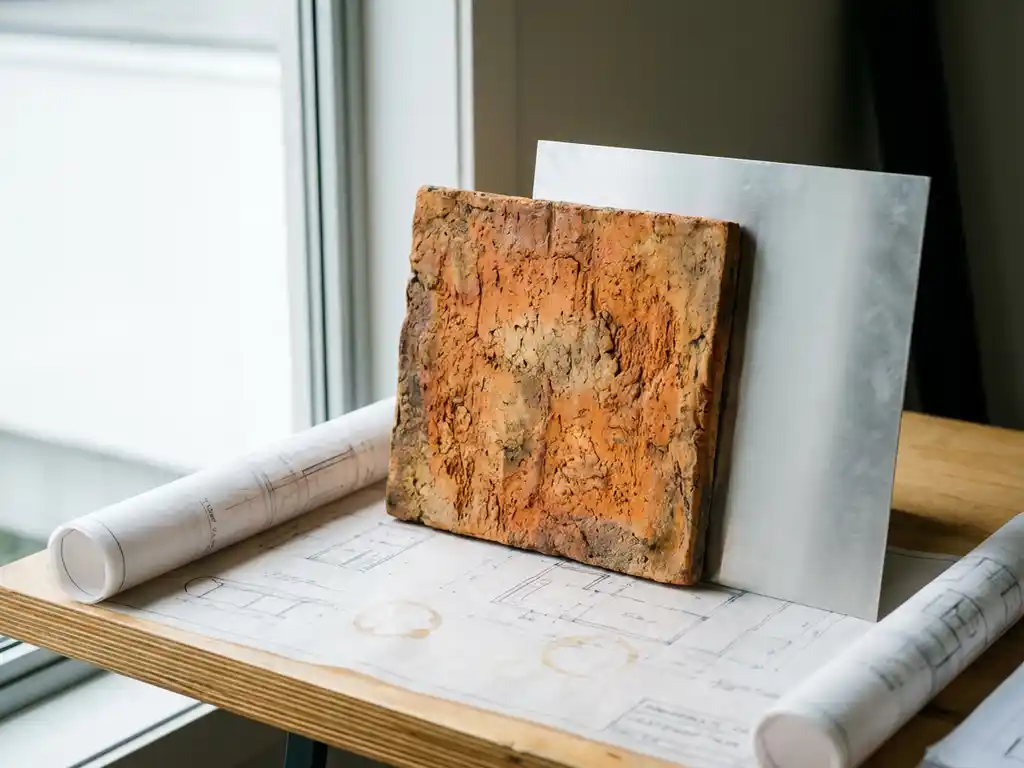
Embodied carbon represents the total carbon emissions generated during the production, transportation, and installation of building materials. When comparing facade systems, terracotta facades typically have significantly lower embodied carbon than metal alternatives due to their natural clay composition and energy-efficient manufacturing processes. This makes ceramic facades increasingly important for sustainable construction projects.
What is embodied carbon and why does it matter in construction?
Embodied carbon refers to all greenhouse gas emissions produced during the extraction, manufacturing, transportation, and installation of building materials before a structure becomes operational. Unlike operational carbon from heating and cooling, embodied carbon is locked into the building from the start.
This concept matters tremendously in modern construction because buildings account for approximately 40% of global carbon emissions. As operational energy becomes more efficient through better insulation and renewable energy, embodied carbon now represents a larger proportion of a building’s total environmental impact throughout its lifecycle.
Construction professionals increasingly prioritise embodied carbon assessment because it influences material selection decisions early in the design process. Choosing low-carbon materials can significantly reduce a project’s environmental footprint before occupancy begins. This front-loaded approach to sustainability helps architects and builders create genuinely green buildings rather than simply energy-efficient ones.
How does embodied carbon differ between terracotta and metal facades?
Terracotta facades generally produce substantially lower embodied carbon compared to metal facade systems. Clay-based materials require less energy-intensive processing than metal extraction and refinement, resulting in reduced carbon emissions during manufacturing.
Metal facades, particularly aluminium systems, demand enormous energy inputs during production. Aluminium smelting requires temperatures exceeding 1,000 degrees Celsius and significant electrical power, often from fossil fuel sources. Steel facades also involve carbon-intensive blast furnace processes and multiple refinement stages that increase their overall carbon footprint.
Ceramic facade production utilises locally sourced clay materials that require minimal processing before forming and firing. The manufacturing process, whilst requiring high temperatures for sintering, typically consumes less total energy than metal production chains. Additionally, ceramic production often occurs closer to raw material sources, reducing transportation-related emissions compared to globally distributed metal supply chains.
What are the long-term environmental benefits of choosing terracotta over metal facades?
Terracotta facades offer superior long-term environmental performance through exceptional durability, minimal maintenance requirements, and complete recyclability. These characteristics significantly reduce lifecycle carbon impact compared to metal alternatives that may require replacement or extensive maintenance.
Ceramic facades maintain their appearance and structural integrity for decades without requiring protective coatings, cleaning treatments, or component replacement. This longevity eliminates the recurring embodied carbon associated with maintenance materials and replacement cycles common with metal systems. The natural UV resistance and colour stability of fired clay prevent degradation that necessitates intervention.
At end of life, ceramic facades can be completely recycled into new building materials or returned to natural clay composition without toxic residues. Metal facades, whilst recyclable, often require energy-intensive reprocessing and may contain coatings or treatments that complicate recycling. The circular economy potential of ceramic materials supports sustainable building practices throughout multiple lifecycle phases.
Which facade material performs better for sustainable building certifications?
Terracotta facades typically contribute more effectively to sustainable building certifications like LEED, BREEAM, and DGNB due to their low embodied carbon, natural material composition, and lifecycle performance characteristics.
Green building standards increasingly emphasise material transparency and lifecycle assessment, areas where ceramic facades excel. The natural clay composition contains no volatile organic compounds or harmful additives, supporting indoor air quality credits. Additionally, the local sourcing potential of clay materials can contribute to regional material requirements in various certification systems.
Ceramic facades also support durability and maintenance reduction credits through their inherent weather resistance and colour stability. The fire resistance properties of ceramic materials (typically Class A1 non-combustible) contribute to safety requirements, whilst the thermal mass characteristics can support energy performance optimisation in appropriate climates.
How TONALITY® ceramic facades support low embodied carbon construction
TONALITY® ceramic facade systems deliver exceptional embodied carbon performance through advanced manufacturing processes, lightweight design, and installation efficiency. The specialised sinter-firing process creates dense, durable surfaces that eliminate maintenance requirements whilst utilising regional clay resources.
Key embodied carbon advantages include:
- Single-layer ceramic production that reduces manufacturing complexity and energy consumption
- Low surface weight of approximately 40 kg per square metre, enabling lighter substructures
- Interlocking profile system allowing rapid installation with minimal fixings
- Complete recyclability supporting circular economy principles
- A1 fire classification eliminating the need for additional fire protection materials
- Permanent colour and UV resistance preventing replacement cycles
The lightweight design particularly benefits timber construction projects, where reduced structural requirements translate directly into lower overall embodied carbon. The simple mounting system reduces installation time and associated carbon emissions from construction activities.
Ready to reduce your project’s embodied carbon with high-performance ceramic facades? Contact TONALITY® to explore how our sustainable facade solutions can support your green building objectives whilst delivering outstanding durability and aesthetic flexibility.