

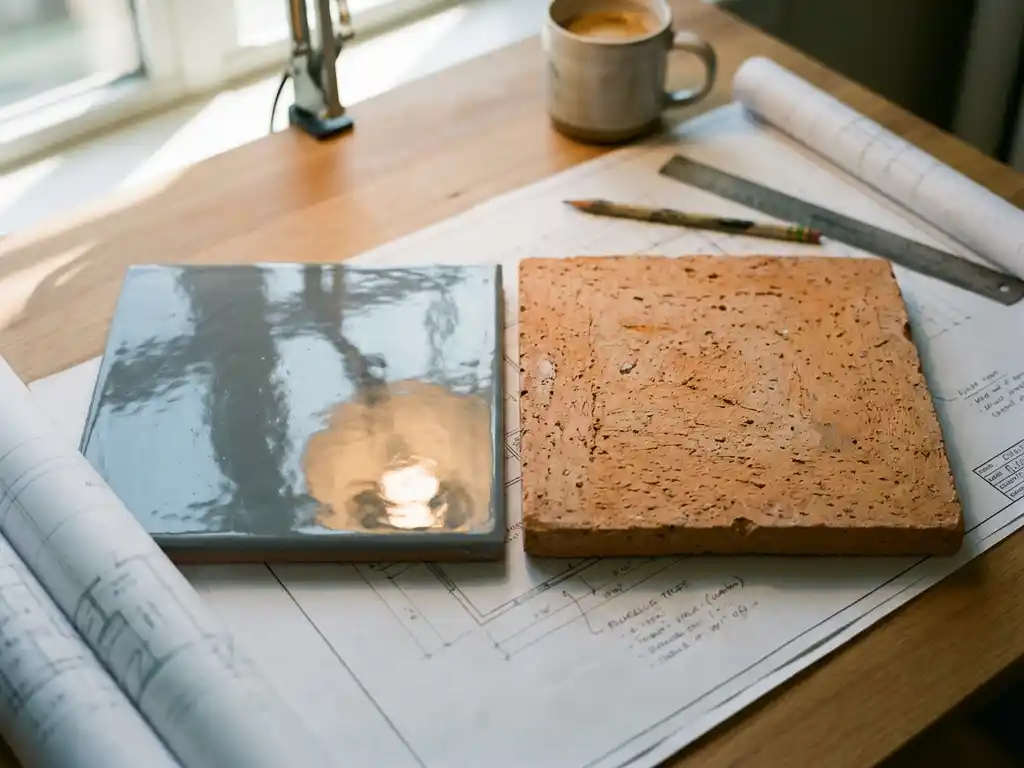
What is the difference between glazed and unglazed terracotta?
The primary difference between glazed and unglazed terracotta lies in the surface treatment and firing process. Glazed terracotta features a glass-like coating applied before a final firing, creating a smooth, non-porous surface, while unglazed terracotta retains its natural clay texture with a more porous, matte finish.
Glazed terracotta undergoes an additional manufacturing step in which a liquid glass mixture is applied to the ceramic surface before the final high-temperature firing. This process creates a protective barrier that completely seals the ceramic material. Glazing also allows for vibrant colors and a range of surface textures, from high-gloss finishes to subtle satin effects.
Unglazed terracotta, in contrast, relies on the natural properties of the clay and any added pigments mixed directly into the ceramic body. The surface remains exposed after firing, showcasing the authentic texture and color variations inherent in the clay. This type of ceramic facade tile develops its character through the clay composition and firing temperature, typically exceeding 1,200 degrees Celsius for optimal durability.
Which terracotta type is more durable for facades?
Both glazed and unglazed terracotta offer excellent durability for facade applications, but glazed terracotta typically provides superior protection against environmental factors due to its non-porous surface. The glaze creates an impermeable barrier that prevents water absorption and protects against chemical exposure and staining.
Glazed terracotta facades resist weathering, pollution, and biological growth more effectively because moisture cannot penetrate the surface. This characteristic makes glazed options particularly suitable for coastal environments or urban areas with high pollution levels. The glazed surface also maintains its appearance longer without requiring cleaning or other maintenance interventions.
Unglazed terracotta, while slightly more porous, still delivers exceptional longevity when properly manufactured through high-temperature firing. The dense ceramic body created through sinter firing provides inherent strength and weather resistance. However, unglazed surfaces may require occasional cleaning to maintain their appearance, particularly in environments with heavy atmospheric pollution or biological contamination.
How does the appearance differ between glazed and unglazed terracotta?
Glazed terracotta offers a uniform, reflective surface with consistent color distribution and the ability to achieve vibrant hues, while unglazed terracotta displays natural color variations and a more organic, matte appearance that changes subtly with lighting conditions.
The aesthetic possibilities with glazed terracotta facades are virtually unlimited. Manufacturers can create deep, saturated colors, metallic finishes, and even textured surfaces that retain the protective properties of the glaze. The surface reflects light consistently, creating dynamic visual effects throughout the day. Glazed ceramic building materials can achieve colors that would be impossible through natural clay pigmentation alone.
Unglazed terracotta cladding embraces the authentic character of fired clay, with subtle color variations that add depth and visual interest to facade surfaces. The natural texture creates shadow lines and surface irregularities that enhance the architectural expression. These facades develop a weathered patina over time, which many architects consider desirable for creating buildings that age gracefully and harmonize with their surroundings.
What are the cost differences between glazed and unglazed terracotta facades?
Glazed terracotta typically requires a higher initial investment due to the additional manufacturing processes and materials involved in creating the glazed surface. However, the long-term value proposition often favors glazed options through reduced maintenance requirements and an extended service life.
The glazing process adds complexity to manufacturing, requiring specialized equipment, additional firing cycles, and quality control measures to ensure consistent glaze application. These factors contribute to higher production costs that are reflected in the material pricing. Additionally, glazed ceramic facade tiles may require more careful handling during transportation and installation to prevent surface damage.
From a lifecycle perspective, glazed terracotta facades often provide superior value through low maintenance requirements and consistent appearance retention. The non-porous surface reduces cleaning frequency and eliminates the need for protective treatments. Unglazed options may require periodic maintenance to address weathering effects, though their inherent durability still provides excellent long-term performance and return on investment.
How do installation requirements differ for glazed vs. unglazed terracotta?
Installation requirements for glazed and unglazed terracotta are largely similar, focusing on proper structural support and weather protection. However, glazed surfaces require additional care during handling and installation to prevent scratching or chipping of the protective glaze layer.
Both glazed and unglazed terracotta facades benefit from lightweight installation systems that accommodate the material’s low surface weight, typically around 40 kilograms per square meter. Modern facade installation uses aluminum retaining profiles and interlocking systems that simplify the mounting process regardless of the surface treatment. The reduced dead weight allows for lighter substructures and faster installation times.
Special considerations for glazed terracotta include using protective materials during installation to prevent surface damage and ensuring proper handling techniques among installation teams. Unglazed surfaces are more forgiving during installation but still require careful attention to joint sealing and weather protection details. Both materials benefit from precise manufacturing tolerances that enable accurate installation within millimeter-level specifications.
Which terracotta option is better for your specific project?
The choice between glazed and unglazed terracotta depends on your project’s aesthetic goals, environmental conditions, maintenance preferences, and long-term performance requirements. Glazed options excel in demanding environments and when a consistent appearance is paramount, while unglazed terracotta suits projects that emphasize natural materials and authentic aging characteristics.
Consider glazed terracotta for projects requiring vibrant colors, high-performance weather protection, or minimal maintenance. These facades perform exceptionally well in coastal environments, urban settings with high pollution, or buildings where a consistent appearance throughout the service life is critical. The design flexibility of glazed surfaces also supports complex architectural expressions and unique color schemes.
Unglazed terracotta works well for projects that emphasize sustainable design, natural material expression, and architectural styles that benefit from weathering and patina development. These facades integrate beautifully with landscape settings and traditional architectural contexts while still meeting modern performance standards. The authentic material character appeals to projects seeking genuine, time-tested building materials. For inspiration on how different terracotta finishes perform in real-world applications, explore our project references showcasing diverse architectural solutions.
How TONALITY® Delivers Superior Ceramic Facade Solutions
TONALITY® combines the best characteristics of both glazed and unglazed approaches through advanced ceramic manufacturing processes that create naturally versatile facade systems. Our ceramic elements undergo specialized sinter firing at temperatures exceeding 1,200 degrees Celsius, producing exceptionally smooth, dense surfaces regardless of the finish selected.
Our comprehensive ceramic facade solutions offer several key advantages:
- Integrated graffiti protection and permanent UV resistance for lasting performance
- Building material class A1 certification ensuring non-combustible safety properties
- Precision manufacturing within one-millimeter tolerances for perfect installation
- 100% recyclable materials supporting sustainable construction practices
- Lightweight design requiring minimal substructure support
Whether your project requires the consistent performance of glazed surfaces or the authentic character of unglazed ceramic, TONALITY® provides engineered solutions that combine aesthetic excellence with superior technical performance. Discover our full range of terracotta surfaces and formats to find the perfect match for your architectural vision, or contact our facade specialists to explore how our ceramic facade systems can enhance your next architectural project.
Related Articles
- Can ceramic facades improve building energy efficiency?
- 10 Reasons Terracotta Outperforms Aluminum Composite Panels
- 8 Key Differences Between Terracotta and Natural Stone Facades
- Terracotta vs GFRC: Weight, Cost, and Aesthetic Differences
- How do terracotta facades contribute to urban heat island reduction?