

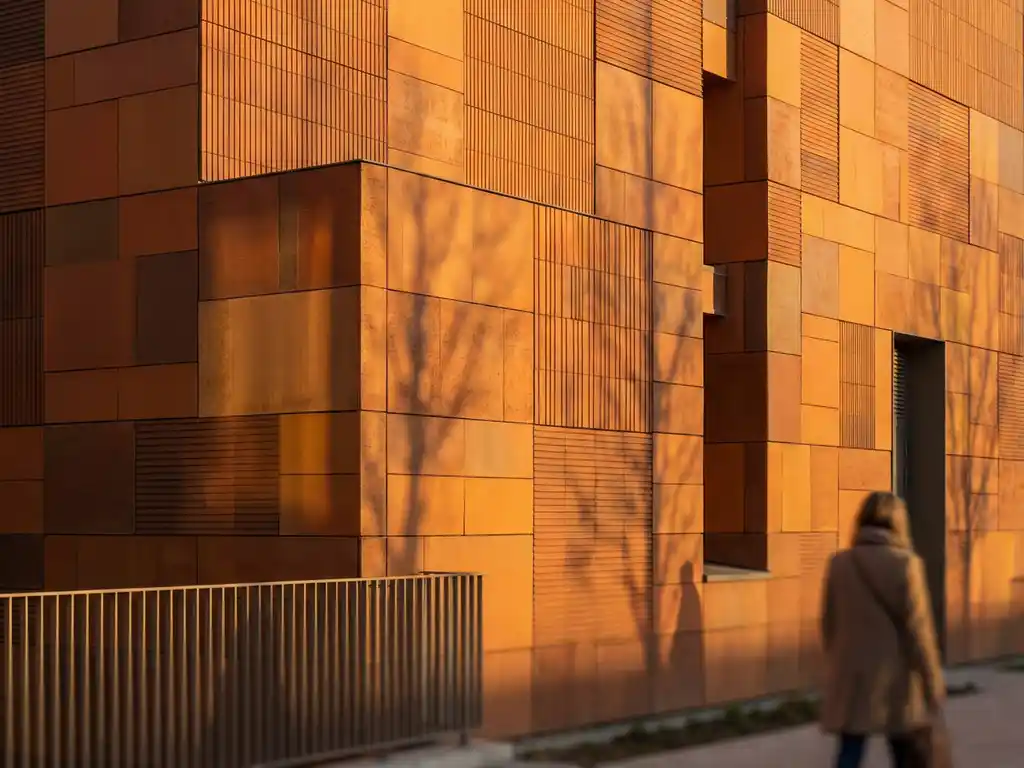
Terracotta facades have experienced a remarkable renaissance in contemporary architecture, transforming from a traditional building material into a sophisticated design solution that defines modern architectural excellence. Today’s award-winning projects demonstrate how ceramic facade design combines aesthetic versatility, structural durability, and environmental sustainability in ways that captivate both architects and building occupants.
The resurgence of architectural terracotta reflects architects’ growing appreciation for materials that offer both visual impact and long-term performance. From dramatic geometric patterns to flowing organic curves, terracotta cladding systems enable architectural expressions that would be difficult or impossible to achieve with other facade materials.
Why terracotta facades define modern architectural excellence
The contemporary revival of terracotta facades stems from the material’s unique ability to bridge traditional craftsmanship with cutting-edge manufacturing technology. Modern ceramic facade projects showcase how advanced forming techniques can create complex geometries while maintaining the inherent benefits that have made terracotta a valued building material for centuries.
Sustainability considerations have also driven terracotta’s popularity among environmentally conscious architects. The material’s natural composition, combined with manufacturing processes that require less energy than many alternatives, positions terracotta as an environmentally responsible choice for facade systems. Additionally, the exceptional durability of properly installed terracotta cladding means reduced maintenance requirements and extended building lifecycles.
1: Bjarke Ingels Group’s VIA 57 West in New York
This pyramid-shaped residential tower demonstrates how innovative terracotta cladding can create dramatic visual effects while providing essential weather protection in Manhattan’s challenging climate. The building’s distinctive facade system employs varying terracotta panel configurations that follow the structure’s angular geometry, creating dynamic shadow patterns throughout the day.
The project showcases advanced installation techniques that ensure seamless integration between different panel sizes and orientations. The terracotta system provides excellent thermal performance, contributing to the building’s energy-efficiency goals while maintaining the bold architectural vision that has made this project internationally recognised.
2: Renzo Piano’s Centre Pompidou-Metz in France
The museum’s distinctive curved terracotta facade exemplifies how ceramic building materials can be shaped into complex geometries without compromising structural integrity. Piano’s design team worked closely with ceramic manufacturers to develop custom forming techniques that allow the terracotta elements to follow the building’s flowing curves seamlessly.
This project demonstrates the collaborative relationship between architectural vision and manufacturing capability. The curved terracotta panels required precise engineering to ensure proper water management and thermal-expansion accommodation, showcasing how modern facade systems can achieve both aesthetic ambition and technical performance.
3: Foster + Partners’ Apple Park Visitor Center
The integration of terracotta elements into this iconic tech campus design showcases precision manufacturing and installation techniques that achieve seamless architectural integration. Foster’s team utilised terracotta tiles to create subtle textural variations that complement the building’s glass and steel elements while providing weather protection and visual interest.
The project highlights how terracotta can be successfully incorporated into contemporary high-tech architectural vocabularies. The careful coordination between different facade materials demonstrates the importance of detailed planning and execution in achieving award-winning results with ceramic facade systems.
4: What makes Zaha Hadid’s Heydar Aliyev Center unique?
The flowing terracotta facade system that follows this building’s organic curves represents one of the most technically challenging applications of ceramic materials in contemporary architecture. Hadid’s team developed advanced ceramic forming techniques and installation methods specifically for this project’s complex architectural forms.
The project required innovative approaches to panel fabrication, with each terracotta element being individually designed to follow the building’s mathematical curves. This level of customisation demonstrates how modern manufacturing capabilities can support even the most ambitious architectural visions while maintaining the practical benefits of building facade materials.
5: Tadao Ando’s Modern Art Museum of Fort Worth
Ando’s masterful use of terracotta cladding creates textural contrast against the building’s signature concrete architecture while providing essential weather protection. The project demonstrates how ceramic materials can complement rather than compete with other architectural elements, maintaining the building’s minimalist aesthetic principles.
The careful selection of terracotta finish and colour creates subtle variations in light reflection that enhance the building’s sculptural qualities. This approach shows how facade systems can contribute to architectural expression through restraint and precision rather than bold gestures.
6: Jean Nouvel’s Institut du Monde Arabe expansion
The intricate terracotta screen system provides essential solar shading while creating dynamic light patterns throughout the interior spaces. Nouvel’s design showcases ceramic materials’ dual capabilities as both functional and decorative elements within sophisticated facade systems.
The project’s success lies in the careful calibration of screen density and pattern to achieve optimal daylight control while maintaining visual connection to the exterior. This demonstrates how thoughtful design can maximise the performance benefits of terracotta facade systems.
7: Snøhetta’s King Abdulaziz Center for World Culture
The center’s flowing terracotta facade creates unified architectural expression across multiple building volumes, demonstrating the coordination possibilities of large-scale ceramic cladding systems. The project required careful planning to ensure visual continuity while accommodating different structural systems and building functions.
The success of this approach highlights the importance of comprehensive facade planning in complex architectural projects. The terracotta system provides both unifying visual elements and individualised responses to specific building requirements.
8: David Chipperfield’s Neues Museum restoration
This project showcases how contemporary terracotta facade elements can be integrated with historic masonry, demonstrating ceramic materials’ ability to bridge traditional and modern architectural approaches. Chipperfield’s sensitive approach creates dialogue between old and new while ensuring long-term building performance.
The project required careful colour and texture matching to achieve visual harmony between different materials and construction periods. This demonstrates the versatility of modern ceramic manufacturing in creating custom solutions for complex architectural challenges.
9: Kengo Kuma’s Victoria & Albert Museum expansion
The museum’s textured terracotta facade creates visual depth and shadow play through carefully designed surface treatments. Kuma’s approach demonstrates how surface articulation can enhance ceramic cladding’s architectural impact without requiring complex geometries or costly custom fabrication.
The project shows how thoughtful detailing can maximise the visual impact of standard terracotta products, making sophisticated facade design accessible for projects with varied budgets and timelines.
10: Álvaro Siza’s Mimesis Museum in South Korea
The museum’s monolithic terracotta exterior achieves seamless integration between walls and roof, showcasing ceramic materials’ potential for unified architectural expression. Siza’s design demonstrates how award-winning architecture can emerge from the thoughtful application of traditional materials using contemporary techniques.
The project’s success lies in the careful coordination of panel sizes and joint details to create the appearance of continuous surfaces while accommodating the practical requirements of a multi-component facade system.
How TONALITY® delivers award-winning ceramic facade solutions
TONALITY® provides comprehensive ceramic facade systems that enable architects to achieve the same level of excellence demonstrated in these award-winning projects. Our advanced manufacturing capabilities support both standard and custom applications, ensuring that design ambitions can be realised without compromising performance or durability.
Key advantages of TONALITY® ceramic facade solutions include:
- Precision manufacturing capabilities that support complex geometries and custom requirements
- Advanced installation systems that ensure long-term performance and weather protection
- Comprehensive fire-safety properties that meet stringent building-code requirements
- Sustainable manufacturing processes that support environmental building goals
- Extensive technical support throughout design and construction phases
Whether your project requires subtle textural variations or bold geometric expressions, TONALITY® ceramic facade systems provide the reliability and performance that award-winning architecture demands. Contact our technical team to discuss how our ceramic facade solutions can support your next architectural vision.