

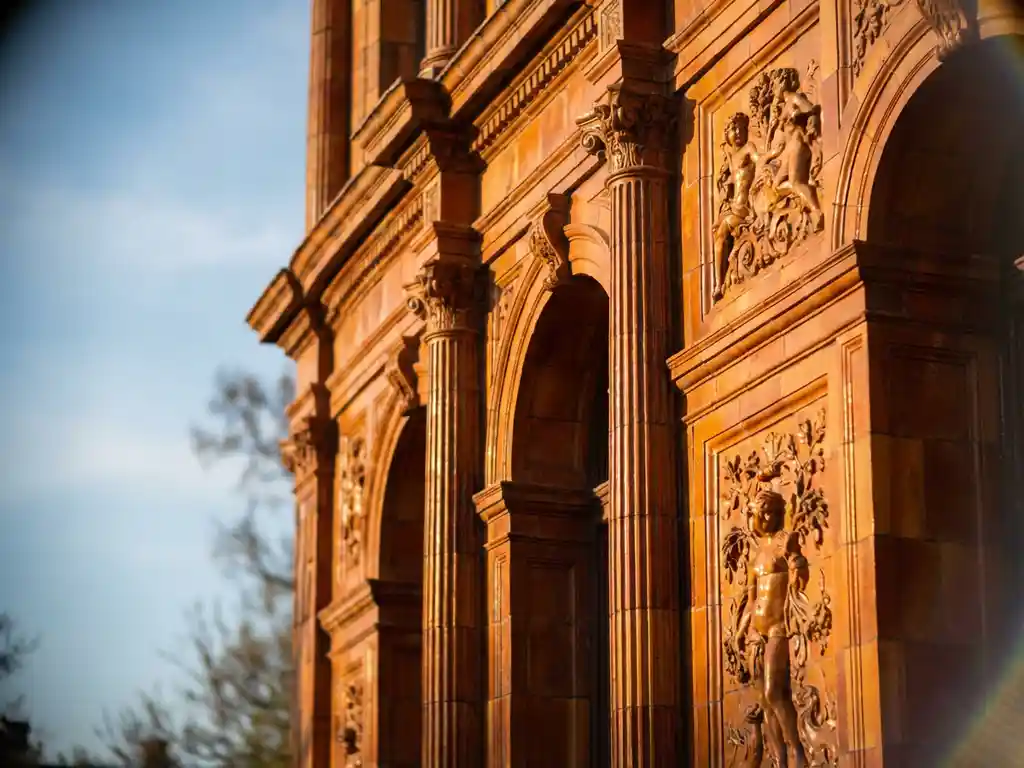
Throughout architectural history, few materials have captured the imagination of designers quite like terracotta. This versatile ceramic material has graced the façades of some of the world’s most prestigious cultural institutions, combining aesthetic beauty with practical durability. From Victorian grandeur to contemporary innovation, terracotta façades continue to define the character of museums, concert halls, and cultural centres across the globe.
These seven remarkable buildings showcase how terracotta architecture has shaped our cultural landscape, demonstrating why this ancient material remains relevant in modern façade design. Each institution tells a unique story of craftsmanship, innovation, and the enduring appeal of ceramic façades in institutional buildings.
1. The Natural History Museum, London
Standing majestically in South Kensington, the Natural History Museum represents one of Britain’s finest examples of Romanesque Revival architecture. The building’s elaborate terracotta ornamentation transforms what could have been a simple institutional structure into a cathedral of natural science.
The museum’s façade showcases terracotta’s remarkable ability to achieve intricate detail. Carved panels depicting flora and fauna create a living textbook across the building’s exterior, while decorative arches and columns demonstrate the material’s structural versatility. The warm, honey-coloured ceramic tiles have withstood London’s challenging climate for over a century, maintaining their crisp detail and rich colour.
This architectural masterpiece illustrates how terracotta façades can serve both functional and educational purposes, with the building itself becoming part of the museum’s collection through its detailed ceramic storytelling.
2. Carnegie Hall, New York City
Carnegie Hall’s Italian Renaissance-inspired façade demonstrates how terracotta architecture can contribute to both visual grandeur and acoustic performance. The building’s distinctive reddish-brown ceramic façade has become synonymous with musical excellence in Manhattan.
The venue’s façade design incorporates terracotta elements that enhance the building’s acoustic properties while creating architectural drama. The material’s natural density and thermal properties contribute to the hall’s renowned sound quality, proving that ceramic façades offer benefits beyond mere aesthetics.
The building’s terracotta details, including ornate cornices and decorative panels, have maintained their elegance through decades of New York’s harsh weather conditions, demonstrating the material’s exceptional durability in urban environments.
3. Victoria and Albert Museum, London
The Victoria and Albert Museum showcases Victorian-era terracotta craftsmanship at its finest. The museum’s façade features an extraordinary collection of ceramic sculptural elements and decorative panels that rival the treasures housed within.
The building’s terracotta elements demonstrate the material’s capacity for fine detail, with elaborate friezes and sculptural figures that would be impossible to achieve in traditional stone. The façade systems incorporate both structural and decorative terracotta elements, creating a harmonious blend of function and artistry.
The museum’s approach to terracotta design has influenced generations of architects, proving that ceramic materials can achieve the same level of sophistication as traditional building materials while offering superior weather resistance and design flexibility.
4. Chicago Cultural Center, Illinois
The Chicago Cultural Center exemplifies Beaux-Arts architecture through its impressive terracotta façade system. This magnificent building demonstrates how ceramic façades can create ornate classical details while maintaining structural integrity.
The building’s terracotta elements are seamlessly integrated into the overall structural system, with decorative panels and architectural details that contribute to both the building’s strength and visual impact. The façade showcases terracotta’s ability to replicate classical stone carving techniques while offering superior durability and lower maintenance requirements.
The Cultural Center’s façade design has inspired countless architects to explore the possibilities of ceramic tiles and terracotta systems in creating buildings that are both beautiful and practical for institutional use.
5. Royal Albert Hall, London
The Royal Albert Hall’s distinctive combination of red brick and terracotta creates one of London’s most recognisable cultural landmarks. The building’s circular façade demonstrates how ceramic elements can enhance both visual impact and architectural functionality.
The hall’s terracotta frieze, depicting the “Triumph of Arts and Sciences,” showcases the material’s ability to tell complex stories through architectural detail. The ceramic elements provide weather protection while creating visual interest that draws visitors from across the globe.
This iconic venue proves that terracotta architecture can create buildings that become cultural symbols in their own right, with the façade contributing as much to the building’s identity as its world-class performances.
6. Smithsonian Institution Building, Washington, D.C.
Known affectionately as “The Castle,” the Smithsonian Institution Building combines Norman Revival architecture with innovative use of sandstone and terracotta elements. This historic building demonstrates how ceramic façades can contribute to creating iconic architectural silhouettes.
The building’s terracotta details enhance its distinctive medieval-inspired design while providing practical weather protection for the nation’s treasures within. The material’s fire-resistant properties made it an ideal choice for this important cultural institution.
The Castle’s successful preservation over more than a century showcases terracotta’s longevity and the material’s ability to maintain its structural and aesthetic integrity through careful maintenance and restoration.
7. What makes terracotta perfect for museums?
Cultural institutions require building materials that combine aesthetic appeal with practical performance, making terracotta an ideal choice for museum and cultural centre façades. The material’s fire resistance provides crucial protection for irreplaceable collections and artworks.
Terracotta’s low maintenance requirements make it particularly attractive for institutional buildings that must balance operational costs with preservation needs. The material’s design flexibility allows architects to create unique façades that reflect each institution’s character and mission.
The longevity of terracotta in various climates ensures that cultural institutions can maintain their architectural integrity for generations, creating lasting landmarks that serve their communities while protecting invaluable cultural heritage. Modern solutions offer even greater versatility, with innovative surfaces and formats that expand design possibilities for contemporary cultural buildings.
How TONALITY® enhances modern cultural architecture
TONALITY® provides advanced ceramic façade systems that address the evolving needs of contemporary cultural institutions. Our solutions combine the timeless appeal of traditional terracotta with cutting-edge technology and performance standards, as demonstrated in our diverse portfolio of cultural and institutional projects.
Modern cultural buildings benefit from TONALITY®’s comprehensive approach to façade design:
- Enhanced fire safety systems that exceed current building regulations
- Design flexibility that allows for complex architectural geometries
- Sustainable manufacturing processes that support environmental goals
- Reduced maintenance requirements that lower long-term operational costs
- Superior weather resistance for all climate conditions
Transform your cultural institution with façade systems that honour architectural tradition while embracing modern performance standards. Contact our design team to explore how TONALITY® can enhance your next cultural architecture project.