

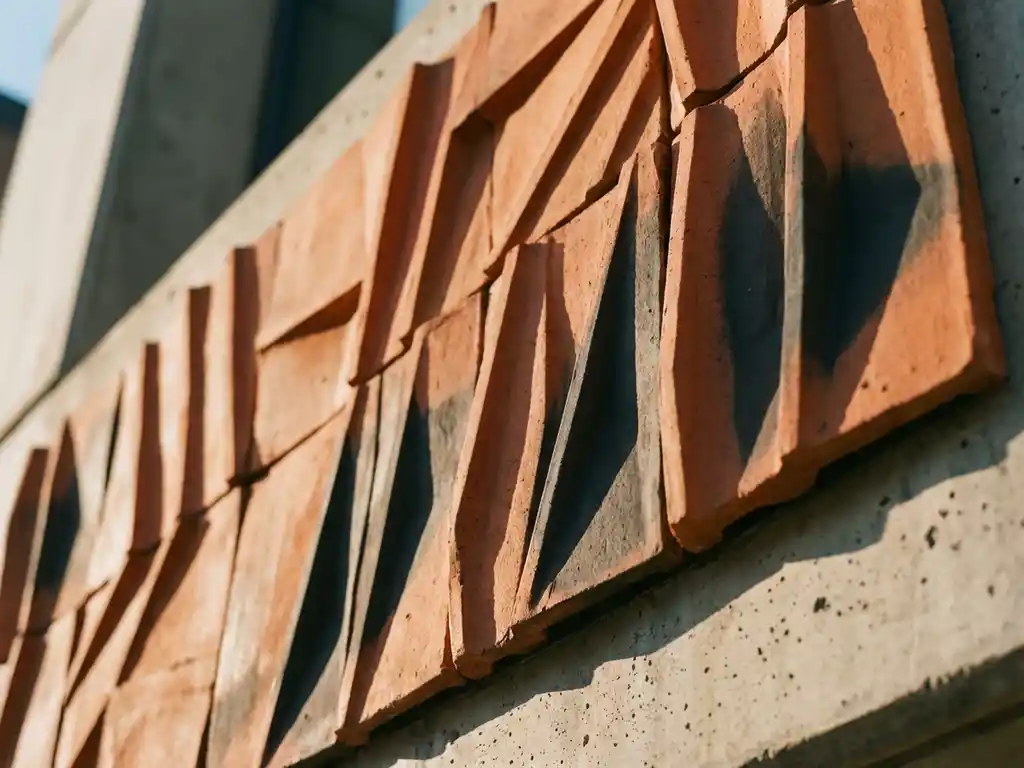
Have you ever wondered why some buildings seem to come alive throughout the day while others remain static and flat? The secret lies in the masterful use of 3D terracotta panels that transform ordinary facades into dynamic architectural canvases. These dimensional ceramic elements don’t just add visual interest—they create an ever-changing interplay of light and shadow that breathes life into building exteriors.
When sunlight hits strategically positioned terracotta panels, it produces architectural shadow effects that shift and evolve from dawn to dusk. This natural choreography of light creates depth, texture, and visual drama that captivates observers and elevates the entire building’s aesthetic appeal. Understanding how to harness this shadow play is essential for creating truly remarkable ceramic facade depth.
1. Layer panels at varying depths for dramatic relief
Creating compelling facade dimensionality begins with installing terracotta panels at different projection distances from the base wall. This layered approach produces multi-level surfaces that cast complex shadow patterns and add substantial visual depth to your building exterior.
The key to successful layering lies in planning your depth variations carefully. Consider projecting some panels 50 mm from the wall while others extend 100 mm or more. This creates a stepped effect that catches light at different angles throughout the day. The deeper projections will cast longer shadows, particularly during early morning and late afternoon when the sun sits lower in the sky.
When planning your terracotta installation, think about the viewing angles from street level and nearby buildings. The most dramatic relief effects are often visible from oblique angles, where the layered depths create strong visual contrast between illuminated surfaces and shadowed recesses.
2. Angle panels to catch and redirect natural light
Strategic angling of 3D terracotta panels maximizes light interaction and creates dynamic shadow play that changes throughout the day. By positioning panels at calculated angles, you can control how natural light bounces off surfaces and where shadows fall.
Consider the building’s orientation when determining optimal panel angles. South-facing facades benefit from panels angled to catch morning and afternoon light, while east and west exposures require different positioning strategies. Angled ceramic tiles can redirect light into recessed areas or create dramatic shadow lines that emphasize the building’s architectural features.
The angle of inclination affects both the intensity and direction of cast shadows. Panels tilted at 15–30 degrees from vertical create subtle shadow variations, while steeper angles produce more pronounced effects. Remember that seasonal sun paths will alter these shadow patterns, creating year-round visual interest.
3. Create geometric patterns with alternating panel heights
Rhythmic height variations in your terracotta panel design produce dynamic shadow sequences that add movement and energy to building facades. Geometric arrangements such as checkerboard patterns, wave formations, and stepped configurations create predictable yet engaging shadow play.
Checkerboard patterns work particularly well for creating consistent shadow grids that change intensity throughout the day. Wave formations produce flowing shadow lines that seem to ripple across the facade surface, while stepped configurations create bold geometric shadows that emphasize a building’s horizontal or vertical lines.
When designing these patterns, consider the scale of your building and viewing distances. Smaller geometric patterns work well for intimate spaces and close viewing, while larger patterns maintain their impact when viewed from greater distances. The key is ensuring your pattern scale matches the building’s overall architectural language.
4. Enhance shadow definition with strategic panel textures
Different ceramic panel textures dramatically affect shadow contrast and definition. Ribbed, fluted, and embossed terracotta surfaces amplify dimensional effects by creating micro-shadows within the larger shadow patterns cast by the panel arrangement. These surface and format variations offer architects endless possibilities for creating unique facade compositions.
Ribbed textures running vertically create fine shadow lines that complement the broader shadows cast by panel positioning. These textural shadow effects add richness and complexity to the overall facade composition. Fluted patterns work similarly but can be oriented horizontally or diagonally to create different visual effects.
Embossed patterns on terracotta surfaces create subtle shadow variations that become more pronounced as the angle of sunlight changes. These textural elements ensure that your facade remains visually interesting even during overcast conditions, when direct sunlight isn’t available to create strong panel shadows.
5. Position panels to frame windows and architectural features
Using 3D terracotta panels as architectural frames around openings creates shadow boxes that highlight windows, doors, and other building elements while adding substantial depth. This framing technique draws attention to important architectural features and creates focal points across the facade.
Deep-set panel arrangements around windows create recessed shadow frames that make openings appear larger and more prominent. The shadow depth changes throughout the day, sometimes creating dramatic dark frames and other times producing subtle depth cues that add sophistication to the building’s appearance.
Consider extending these framing elements beyond the immediate window area to create larger shadow compositions. This technique works particularly well when multiple windows are grouped together, allowing you to create unified shadow patterns that visually tie the architectural elements together.
6. Combine matte and glossy finishes for light variation
Mixing different terracotta surface treatments creates varied light reflection and absorption patterns that enhance the interplay between shadows and illuminated surfaces. This combination of finishes adds complexity and visual richness to your facade design.
Matte finishes absorb more light and create softer shadow transitions, while glossy surfaces reflect light and can redirect it to illuminate adjacent shadowed areas. By strategically combining these finishes, you can control light distribution across your facade and create more nuanced shadow effects.
Consider using glossy finishes on panels that receive direct sunlight to bounce light into areas with matte-finished panels. This creates a balanced composition in which shadows are neither too harsh nor too subtle, maintaining visual interest across different lighting conditions.
7. Design corner transitions that maintain shadow flow
Handling building corners and edges requires careful planning to ensure continuous shadow patterns around architectural transitions. Specialized corner pieces and thoughtful installation techniques maintain the visual flow of your 3D panel system.
Corner transitions often present challenges because standard rectangular panels don’t naturally wrap around edges. Custom corner pieces or carefully mitered standard panels can maintain the shadow pattern continuity that makes your facade design cohesive and professional.
Consider how shadows will fall across corner transitions at different times of day. Morning and afternoon sun angles can create interesting corner shadow effects that add visual drama to building edges. Planning these transitions carefully ensures your shadow play remains compelling from all viewing angles.
How TONALITY® enhances 3D terracotta panel installations
TONALITY® provides comprehensive ceramic facade solutions specifically designed for creating sophisticated dimensional effects with terracotta panels. Their precision manufacturing capabilities ensure consistent panel dimensions and a perfect fit, essential for achieving the precise shadow play that makes 3D installations successful. You can explore their impressive portfolio of completed projects to see these techniques in action across various architectural styles.
TONALITY®’s specialized approach includes:
- Custom dimensioning for complex 3D arrangements and shadow calculations
- Advanced installation systems that maintain precise panel positioning
- Technical support for shadow analysis and optimal panel orientation
- Comprehensive design consultation for maximizing facade dimensionality
Ready to transform your next project with expertly crafted 3D terracotta solutions? Contact TONALITY® today to discover how their ceramic facade expertise can help you create stunning architectural shadow effects that will captivate viewers and elevate your building design.