

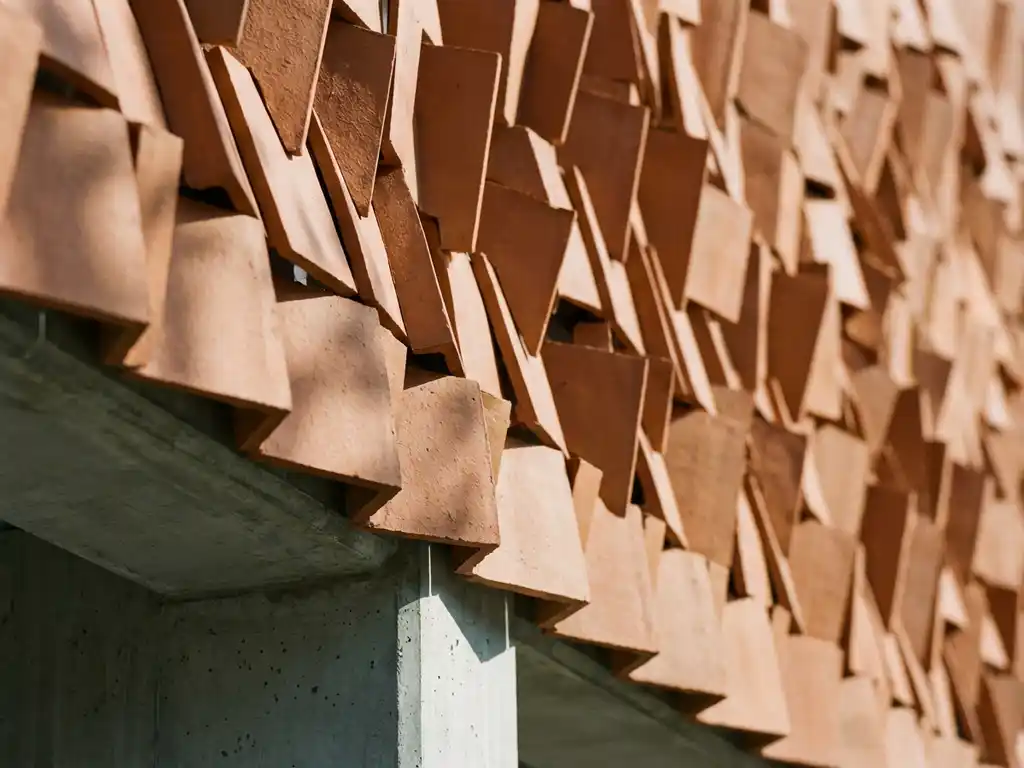
Architects create parametric designs with terracotta façades by using algorithmic design software that generates complex patterns and optimises building performance through mathematical parameters. This computational design approach allows architects to explore countless design variations while ensuring structural integrity, thermal efficiency, and manufacturing feasibility. The process transforms traditional façade design into a data-driven workflow that balances aesthetic vision with technical requirements.
What is parametric design and why do architects use it for terracotta façades?
Parametric design is an algorithmic approach in which architects define relationships between design elements using mathematical parameters rather than fixed dimensions. These parameters control geometric properties, allowing designers to generate multiple design iterations by adjusting variables such as panel size, rotation angles, or spacing patterns.
Architects embrace parametric design for terracotta façades because it enables performance-driven aesthetics. The approach optimises solar shading, structural loads, and thermal performance while creating visually striking patterns. Unlike traditional design methods that rely on intuition and manual adjustments, parametric tools analyse environmental data and structural requirements to inform design decisions.
The methodology proves particularly valuable for ceramic façade systems because it addresses manufacturing constraints early in the design process. Architects can define parameters that ensure each terracotta element remains within production tolerances while achieving complex visual effects. This integration between design intent and manufacturing reality reduces costly revisions and improves project delivery timelines.
Which software tools do architects use for parametric terracotta façade design?
Grasshopper, integrated with Rhinoceros 3D, serves as the primary parametric design platform for terracotta façades. This visual programming environment allows architects to create complex algorithms without traditional coding knowledge. Dynamo, working within Autodesk Revit, provides similar capabilities with stronger building information modelling integration.
Specialised façade design requires additional tools for environmental analysis and manufacturing coordination. Ladybug and Honeybee plugins analyse solar radiation and thermal performance, while Kangaroo handles structural simulation within the parametric environment. These tools work together to create comprehensive design workflows that address multiple performance criteria simultaneously.
Manufacturing integration relies on plugins such as Grasshopper’s fabrication tools, which generate cutting lists, assembly drawings, and CNC machine code directly from the parametric model. This seamless transition from design to production eliminates translation errors and ensures design intent reaches the construction site accurately.
How do architects optimise terracotta façade patterns using parametric methods?
Pattern optimisation begins with environmental analysis, where architects use solar radiation data to drive panel geometry and positioning. Parametric algorithms adjust panel angles, depths, and perforations based on sun angles throughout the year, creating responsive façade systems that balance daylight access with thermal comfort.
Structural optimisation involves algorithms that distribute loads efficiently across the ceramic façade system. The parametric model calculates stress concentrations and adjusts panel sizes or support spacing to maintain structural integrity while minimising material usage. This approach often reveals unexpected design opportunities in which performance requirements generate compelling visual patterns.
Aesthetic refinement occurs through iterative parameter adjustment, where architects balance performance requirements with visual goals. The parametric environment allows rapid exploration of pattern variations, enabling designers to find optimal solutions that satisfy both functional and aesthetic criteria. Advanced algorithms can even incorporate feedback loops that automatically refine patterns based on multiple performance metrics.
What are the key challenges architects face when designing parametric terracotta façades?
Manufacturing constraints present the most significant challenge, as parametric designs can generate geometries that exceed production capabilities. Ceramic firing processes, mould limitations, and quality control requirements impose strict boundaries on achievable forms. Architects must understand these constraints intimately to create viable parametric definitions.
Coordination complexity increases dramatically with parametric façades because every design change propagates through the entire system. Small parameter adjustments can affect hundreds of unique elements, requiring sophisticated digital design tools for change management. This complexity demands new project delivery methods and enhanced collaboration protocols.
Installation sequence planning becomes critical when parametric designs create unique elements that must be positioned precisely. Traditional construction methods assume repetitive elements, but parametric façades often require bespoke installation procedures. Architects must consider constructability throughout the parametric design process to ensure successful project delivery.
How do parametric designs improve terracotta façade manufacturing and installation?
Parametric models generate precise manufacturing data automatically, eliminating manual drawing production and reducing human error. The algorithmic approach creates detailed specifications for each unique ceramic element, including dimensions, surface textures, and mounting details. This automation significantly reduces documentation time while improving accuracy.
Manufacturing optimisation occurs through algorithms that arrange elements efficiently for production scheduling and material usage. Parametric tools can optimise firing schedules, minimise waste, and coordinate delivery sequences based on installation requirements. This façade optimisation reduces production timelines and improves quality control through standardised digital workflows.
Installation coordination benefits from parametric models that generate assembly sequences, lifting plans, and quality control checklists automatically. The digital model serves as a single source of truth throughout construction, providing installers with precise positioning data and assembly instructions. This coordination reduces installation time and improves final quality through enhanced precision and planning.
How TONALITY® supports parametric terracotta façade design
TONALITY® enables sophisticated parametric façade designs through precision manufacturing capabilities that support complex geometric requirements. The company’s advanced production processes accommodate the unique specifications generated by architectural software, ensuring parametric design intent translates accurately to physical reality.
Key parametric design support includes:
- Manufacturing tolerance precision within one millimetre for complex geometric forms
- Format flexibility ranging from 150 x 300 mm to 400 x 1,600 mm for diverse parametric patterns
- Custom surface treatments and colours that integrate with algorithmic design workflows
- Digital file compatibility for seamless integration with parametric modelling software
- Technical consultation for manufacturing feasibility during parametric design development
Ready to explore parametric possibilities for your next terracotta façade project? Contact TONALITY® to discuss how our precision manufacturing capabilities can support your computational design vision and ensure successful project delivery.
Related Articles
- What terracotta colors and glazes work best for different building contexts?
- 7 Cultural Institutions with Iconic Terracotta Facades
- Terracotta vs Porcelain Facade Panels: A Specifier’s Guide
- How do you choose the right insulation system for facade renovation?
- What is the difference between glazed and unglazed terracotta for facades?