

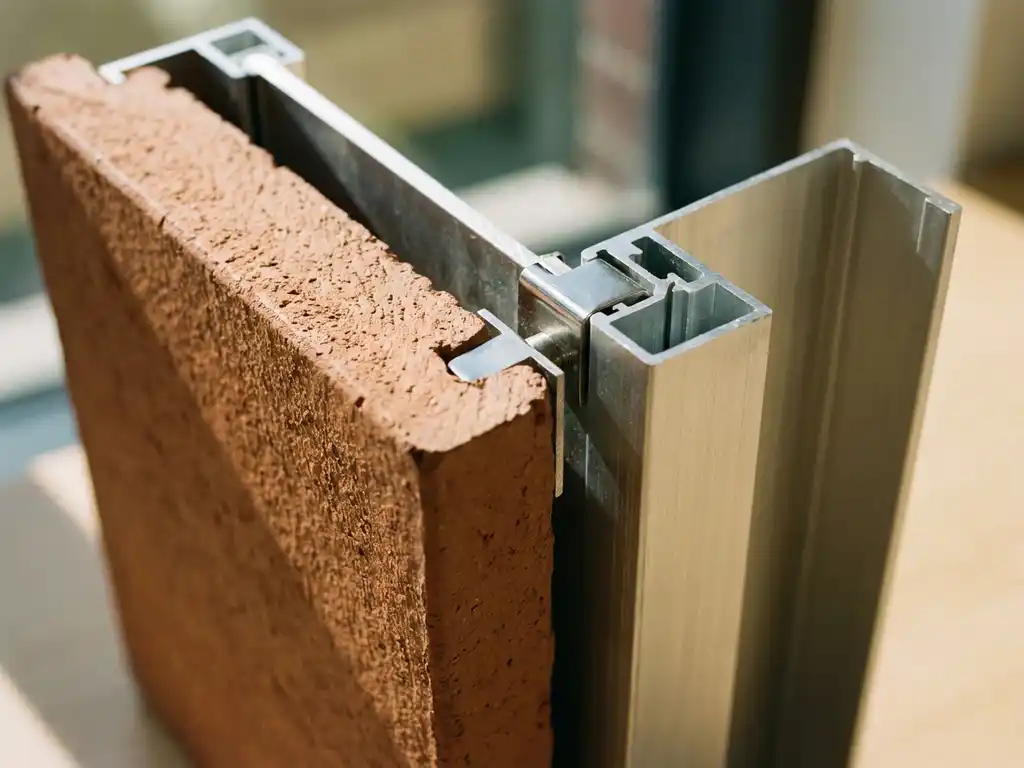
Preventing thermal bridging in ventilated terracotta facades requires careful attention to material selection, connection details, and installation methods. Thermal bridges occur when heat conducts through structural elements, bypassing insulation and reducing building energy efficiency. Proper design strategies, thermal break materials, and quality installation techniques effectively minimise these unwanted heat transfer paths in ceramic facade systems.
What exactly is thermal bridging in ventilated facades?
Thermal bridging occurs when heat conducts through structural elements that connect the building’s interior to its exterior, bypassing the insulation layer. In ventilated facades, these bridges typically form through mounting brackets, structural supports, and connection hardware that penetrate the thermal envelope. The phenomenon creates pathways for unwanted heat transfer, reducing overall building thermal efficiency and potentially causing condensation issues.
Ventilated terracotta facades present unique challenges because they require robust mounting systems to support the ceramic panels while maintaining proper ventilation gaps. The mounting brackets and structural connections needed for ceramic facade systems can create direct thermal pathways if they are not properly designed with thermal breaks. These connections must balance structural requirements with thermal performance, making careful material selection and detailing essential for effective thermal bridge prevention.
The impact becomes particularly significant in high-performance buildings, where even small thermal bridges can compromise overall energy efficiency. Understanding these heat transfer mechanisms allows architects and installers to implement appropriate prevention strategies during both the design and construction phases.
Why do thermal bridges form in terracotta facade systems?
Thermal bridges form in terracotta facades primarily due to continuous structural connections between interior and exterior building elements. Metal mounting brackets, typically made from aluminium or steel, conduct heat efficiently and create direct pathways through the insulation layer. These structural elements are necessary to support the weight and wind loads of ceramic panels but inadvertently compromise thermal performance when thermal breaks are absent.
Material properties contribute significantly to thermal bridging issues. Metals used in mounting systems have high thermal conductivity compared to insulation materials, making them natural conduits for heat transfer. Additionally, penetrations through the building envelope for anchoring points create gaps in the continuous insulation layer, further exacerbating thermal bridging effects.
Common design oversights include insufficient attention to connection details during the planning phase. Many thermal bridges result from prioritising structural and aesthetic requirements while overlooking thermal performance considerations. Inadequate coordination between structural engineers and thermal consultants often leads to mounting systems that meet load requirements but create significant thermal bridging issues.
How do you design ventilated facades to minimize thermal bridging?
Effective thermal bridge prevention begins with incorporating thermal break materials into mounting system designs. These materials, typically made from low-conductivity plastics or composites, interrupt the heat transfer path between interior and exterior structural elements. Designers should specify mounting brackets with integrated thermal breaks or separate thermal break components that isolate structural connections.
Strategic insulation placement plays a crucial role in minimising thermal bridging. Continuous external insulation systems help reduce the impact of structural penetrations by maintaining thermal continuity around connection points. The insulation should extend beyond mounting brackets where possible, and any gaps should be carefully sealed with appropriate materials.
Connection detail optimisation involves several key strategies:
- Minimising the number of penetrations through the thermal envelope
- Using point fixings rather than continuous structural elements
- Specifying low-conductivity materials for structural connections
- Incorporating thermal modelling to assess connection performance
- Coordinating mounting systems with insulation continuity requirements
What installation techniques prevent thermal bridges in ceramic facades?
Proper installation of facade thermal breaks requires careful attention to material positioning and connection integrity. Thermal break components must be correctly aligned and fully engaged to ensure effective thermal isolation. Installers should verify that thermal break materials maintain their position during bracket installation and that no direct metal-to-metal contact occurs across the thermal envelope.
Quality control measures during installation include regular inspection of thermal break continuity and proper sealing of penetrations. Each mounting point should be checked to ensure thermal break materials are intact and properly positioned. Any damage to thermal break components during installation must be repaired or replaced before proceeding with panel installation.
Connection hardware selection significantly impacts thermal performance. Using fasteners with appropriate thermal properties and ensuring proper torque specifications prevents compression of thermal break materials. Installers should follow manufacturer specifications for thermal break compression limits and use calibrated tools to achieve consistent installation quality.
How do you identify and fix existing thermal bridges in terracotta facades?
Thermal imaging surveys provide the most effective method for identifying thermal bridges in existing ventilated ceramic cladding installations. These surveys, conducted during periods of temperature difference between interior and exterior conditions, reveal heat loss patterns and pinpoint problematic connection details. Professional thermal imaging can identify both obvious and subtle thermal bridging issues that may not be apparent through visual inspection.
Building performance assessments complement thermal imaging by quantifying the impact of thermal bridges on overall energy efficiency. Energy audits and blower door tests help determine whether thermal bridging significantly affects building performance and whether remedial action would provide worthwhile benefits.
Retrofit solutions for existing thermal bridges include:
- Installing thermal break retrofits at accessible connection points
- Adding supplementary insulation around problematic mounting areas
- Replacing mounting hardware with thermally improved alternatives
- Sealing air gaps that exacerbate thermal bridging effects
How TONALITY® helps with thermal bridge prevention
TONALITY® ceramic facade systems address thermal bridging challenges through innovative mounting solutions that integrate thermal performance with structural requirements. The system features specially designed aluminium profiles with integrated thermal breaks that effectively interrupt heat transfer paths while maintaining the structural integrity needed for secure panel installation.
Key thermal bridge prevention features include:
- Thermally broken mounting profiles that eliminate direct thermal pathways
- Optimised connection details that minimise thermal envelope penetrations
- Lightweight ceramic panels that reduce structural loading requirements
- A simplified installation process that ensures consistent thermal break performance
- Compatibility with continuous external insulation systems
The TONALITY® system’s low surface weight of approximately 40 kilograms per square metre allows for reduced structural requirements, minimising the number and size of thermal bridge-prone connections. This approach delivers superior building thermal efficiency while maintaining the aesthetic and durability benefits of ceramic facades.
For expert guidance on implementing thermally efficient ceramic facade solutions, contact TONALITY® to discuss your specific thermal bridge prevention requirements and discover how our innovative mounting systems can enhance your building’s energy performance.