

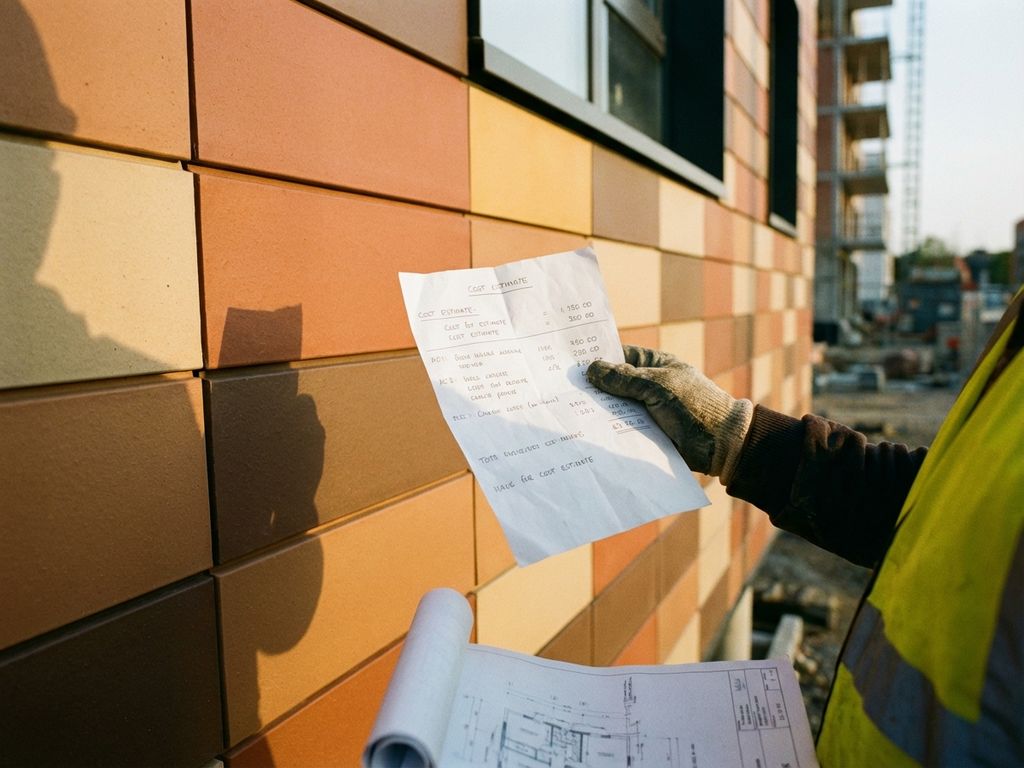
Ceramic facade system costs typically range from £80-300 per square metre for materials, with installation adding another £50-150 per square metre. The total project cost depends on material quality, system complexity, building height, and regional labour rates. Premium Keramikfassaden with advanced surface treatments and custom sizing command higher prices but offer superior durability and aesthetic flexibility.
What factors determine ceramic facade system costs?
Material quality, panel dimensions, surface treatments, installation complexity, and regional market conditions are the primary cost drivers for ceramic facade systems. Premium materials with advanced firing processes and specialised surface textures cost significantly more than standard options.
The material grade and manufacturing process heavily influence pricing. High-temperature-fired ceramics with firing temperatures exceeding 1,200°C create denser, more durable surfaces but require more energy and specialised equipment. Surface treatments such as ribbed, wave, or profiled textures add manufacturing complexity and cost compared with smooth finishes.
Panel size specifications affect both material and installation costs. Custom dimensions require special tooling and handling equipment, while standard sizes benefit from economies of scale. Larger panels reduce installation time but need stronger support structures and specialised lifting equipment.
Building characteristics significantly impact project costs. Height, accessibility, structural requirements, and architectural complexity all influence the total investment. Projects requiring scaffolding, crane access, or structural reinforcement see substantial cost increases beyond basic material and labour expenses.
How much do ceramic facade materials typically cost per square metre?
Standard ceramic facade panels cost £80-150 per square metre, while premium systems with advanced surface treatments and custom specifications range from £200-300 per square metre. These prices reflect material costs only, excluding installation and supporting framework expenses.
Entry-level ceramic systems use standard firing processes and limited size options. Mid-range products offer better surface quality, colour consistency, and moderate customisation options. Premium Keramikfassaden systems feature high-temperature firing, extensive colour ranges, custom dimensions, and specialised surface treatments.
Format options significantly affect pricing. Standard rectangular panels in common sizes offer the best value, while custom shapes, oversized panels, or complex geometries increase costs substantially. The ability to specify precise dimensions from 150×300mm to 400×1,600mm provides design flexibility but impacts pricing based on manufacturing complexity.
Quality grades reflect different performance characteristics and manufacturing standards. Higher grades offer better colour consistency, surface quality, dimensional accuracy, and long-term durability. These improvements justify premium pricing through reduced maintenance requirements and extended service life.
What installation costs should you expect for ceramic facade systems?
Professional installation costs range from £50-150 per square metre, depending on building height, access requirements, structural complexity, and regional labour rates. Complex installations with difficult access or specialised mounting requirements can exceed these ranges significantly.
Labour costs vary considerably by region and project complexity. Simple installations on accessible buildings with standard mounting systems cost less than complex projects requiring scaffolding, crane access, or specialised equipment. Lightweight ceramic systems reduce installation time and equipment requirements, lowering overall labour costs.
Equipment and access requirements add substantial costs to facade projects. Scaffolding, crane hire, and specialised lifting equipment can represent 20-30% of total installation costs. Buildings over three storeys typically require professional access solutions that increase project timelines and expenses.
Structural considerations may require additional investment. Some buildings need reinforcement to support facade loads, while others require modified mounting systems for specific architectural features. These structural modifications should be assessed early in project planning to avoid unexpected costs.
How do ceramic facade costs compare to other cladding materials?
Ceramic facades typically cost 15-25% more initially than metal panels or composite materials but offer superior longevity and lower maintenance requirements. Natural stone systems often cost similar amounts but require more structural support and ongoing maintenance compared with modern ceramic systems.
Metal panel systems cost £60-120 per square metre installed but may require regular maintenance and eventual replacement. Composite materials offer lower initial costs at £70-140 per square metre but have shorter lifespans and potential weathering issues over time.
Natural stone cladding costs £150-400 per square metre installed, similar to premium ceramic systems. However, stone requires stronger structural support due to its weight and may need regular cleaning and maintenance. Modern ceramic systems offer stone-like aesthetics with reduced weight and maintenance requirements.
Long-term value considerations favour ceramic facades despite higher initial costs. The combination of durability, low maintenance, colour stability, and design flexibility provides excellent return on investment over 30-50-year building lifecycles. Energy efficiency benefits and potential building value increases further improve the economic case.
What hidden costs might affect your ceramic facade budget?
Structural assessments, building permits, access equipment, weather protection, and potential design modifications can add 15-30% to initial budget estimates. Planning for these additional expenses prevents project delays and cost overruns during construction phases.
Structural modifications often represent the largest unexpected cost. Buildings may require reinforcement to support facade loads or modifications to accommodate mounting systems. Professional structural assessment early in planning identifies these requirements and prevents costly surprises during construction.
Permit and approval processes vary by location but typically cost £2,000-10,000 for facade projects. Some areas require additional approvals for building appearance changes, fire safety compliance, or structural modifications. These processes take time and money that should be included in project planning.
Weather protection and site preparation add costs that vary by project timing and location. Winter installations may require temporary enclosures, while urban sites need dust control and pedestrian protection. These requirements increase both time and material costs beyond basic installation expenses.
How TONALITY® helps with ceramic facade cost optimisation
TONALITY® ceramic facade systems provide exceptional cost-effectiveness through lightweight design, flexible sizing options, simplified installation processes, and long-term durability that reduces lifecycle costs. Our advanced manufacturing delivers premium quality while maintaining competitive pricing structures.
Our cost optimisation advantages include:
- 30% lighter weight reduces structural requirements and installation equipment needs
- Precise custom sizing from 150×300mm to 400×1,600mm eliminates waste and reduces cutting costs
- Over 2,700 surface and colour combinations reduce the need for expensive custom solutions
- Simplified mounting systems speed installation and reduce labour costs
- Maintenance-free surfaces eliminate ongoing cleaning and treatment expenses
- 100% recyclable materials support sustainable building practices and potential future value recovery
Our high-temperature firing process at over 1,200°C creates exceptionally dense, durable surfaces that maintain their appearance for decades without maintenance. This long-term performance provides an excellent return on investment compared with alternatives requiring regular upkeep or replacement.
Contact our technical team to discuss your specific project requirements and receive a detailed cost analysis tailored to your building and design goals.