

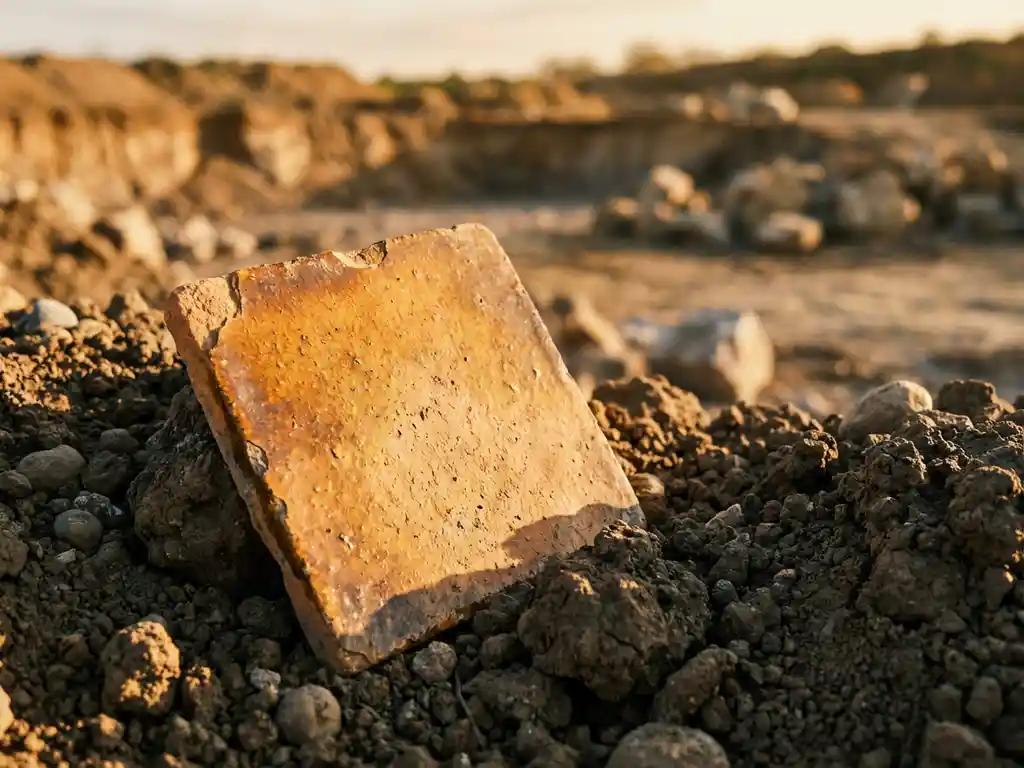
Terracotta qualifies as a low-carbon facade material due to its natural clay composition, energy-efficient manufacturing process, and exceptional durability. Unlike synthetic alternatives, terracotta requires minimal processing of abundant natural materials and offers decades of maintenance-free performance. Its recyclability and local sourcing potential further reduce environmental impact throughout the building lifecycle.
What makes terracotta a low-carbon facade material compared to other options?
Terracotta’s low-carbon credentials stem from its natural clay base, which requires significantly less energy-intensive processing than aluminium, steel, or concrete facades. The raw material is abundant and locally available in many regions, eliminating the complex chemical processes needed for synthetic materials.
The manufacturing process involves firing clay at high temperatures, but this single-step transformation creates a durable material that lasts for decades. In contrast, aluminium facades require energy-intensive smelting and chemical treatments, while concrete involves cement production—one of the most carbon-intensive industrial processes. Steel facades demand mining, smelting, and multiple chemical treatments before becoming suitable for architectural use.
Sustainable facade materials like terracotta also avoid the petroleum-based components found in many modern building materials. This natural composition means terracotta contains no volatile organic compounds or synthetic additives that contribute to ongoing emissions throughout the building’s life.
How does the manufacturing process of ceramic facades impact carbon emissions?
The ceramic facade manufacturing process generates lower carbon emissions than most alternative materials through efficient high-temperature firing and streamlined production methods. Modern kilns operate at optimal temperatures while minimising energy waste through advanced heat recovery systems.
Firing temperatures exceeding 1,200 degrees Celsius create a dense, durable surface that eliminates future maintenance requirements. Although this requires significant energy, the process occurs once during manufacturing, unlike materials requiring ongoing treatments or coatings. The ceramic facade carbon footprint benefits from this single-stage production approach.
Local clay sourcing dramatically reduces transportation emissions compared to materials requiring global supply chains. Many ceramic manufacturers operate near clay deposits, minimising the distance raw materials travel. Modern production facilities also incorporate renewable energy sources and waste heat recovery systems, further reducing the overall carbon impact of the manufacturing process.
What role does terracotta’s durability play in its overall carbon footprint?
Terracotta’s exceptional durability creates a significantly lower lifetime carbon footprint by eliminating replacement cycles and maintenance requirements that affect other facade materials. High-quality terracotta facades can perform optimally for 50–100 years without major interventions.
This longevity contrasts sharply with materials requiring regular maintenance, repainting, or replacement every 10–20 years. Each maintenance cycle involves additional materials, labour, and transportation—all contributing to cumulative carbon emissions. Eco-friendly building materials like terracotta avoid these recurring environmental costs.
The maintenance-free nature of terracotta also eliminates the need for cleaning chemicals, protective coatings, or repair materials throughout the building’s life. Other facade materials often require pressure washing, chemical treatments, or partial replacements that generate ongoing environmental impact. Terracotta’s natural weather resistance and colour stability maintain performance without external interventions.
Why is terracotta considered more sustainable than synthetic facade materials?
Terracotta surpasses synthetic facade materials in sustainability through its natural composition, complete recyclability, and absence of toxic emissions during production or use. Unlike petroleum-based synthetic materials, terracotta contains only natural clay minerals processed through traditional firing techniques.
Synthetic facade materials often release volatile organic compounds during manufacturing and installation, contributing to air pollution and health concerns. These materials typically require complex chemical processes involving toxic substances and generate hazardous waste streams. Terracotta sustainability avoids these environmental and health risks entirely.
At end of life, terracotta can be completely recycled or safely returned to the environment without contamination. Synthetic materials often end up in landfills where they persist for decades or require energy-intensive recycling processes with limited effectiveness. The biodegradable nature of clay-based materials supports circular economy principles that synthetic alternatives cannot match.
How does local sourcing of clay materials reduce terracotta’s carbon footprint?
Local clay sourcing dramatically reduces terracotta’s carbon footprint by eliminating long-distance transportation and supporting regional supply chains. Many areas possess high-quality clay deposits suitable for ceramic production, enabling manufacturers to source materials within short distances of production facilities.
Transportation emissions represent a significant portion of building material carbon footprints, particularly for heavy materials like ceramics. When manufacturers can source clay locally, they eliminate thousands of kilometres of shipping that would otherwise contribute substantial emissions. Low-carbon construction benefits significantly from these shortened supply chains.
Regional clay deposits also support local economies while reducing dependency on global supply chains that are vulnerable to disruption. This approach creates more resilient manufacturing systems that can respond quickly to changes in demand without the environmental cost of international shipping. Local sourcing additionally ensures better quality control and fresher materials for optimal production outcomes.
How TONALITY® helps with low-carbon facade solutions
TONALITY® provides comprehensive low-carbon facade solutions through sustainable manufacturing processes, local material sourcing, and exceptional product longevity that minimises environmental impact throughout building lifecycles.
Key sustainability features include:
- Local clay sourcing from Europe’s highest-quality deposits, reducing transportation emissions
- Energy-efficient sinter firing process creating maintenance-free surfaces
- 100% recyclable ceramic elements supporting circular economy principles
- Lightweight design reducing substructure requirements and installation energy
- A1 fire classification ensuring safety without chemical treatments
- Precise manufacturing minimising waste and optimising resource efficiency
The TONALITY® facade system supports green building facades through its deconstructable design that enables complete component separation for reuse. This approach maximises material value while minimising waste generation at the building’s end of life. You can explore our successful sustainable facade projects to see how these principles translate into real-world applications.
Ready to implement sustainable facade solutions for your next project? Contact TONALITY® to discover how ceramic facades can reduce your building’s carbon footprint while delivering exceptional performance and design flexibility.