

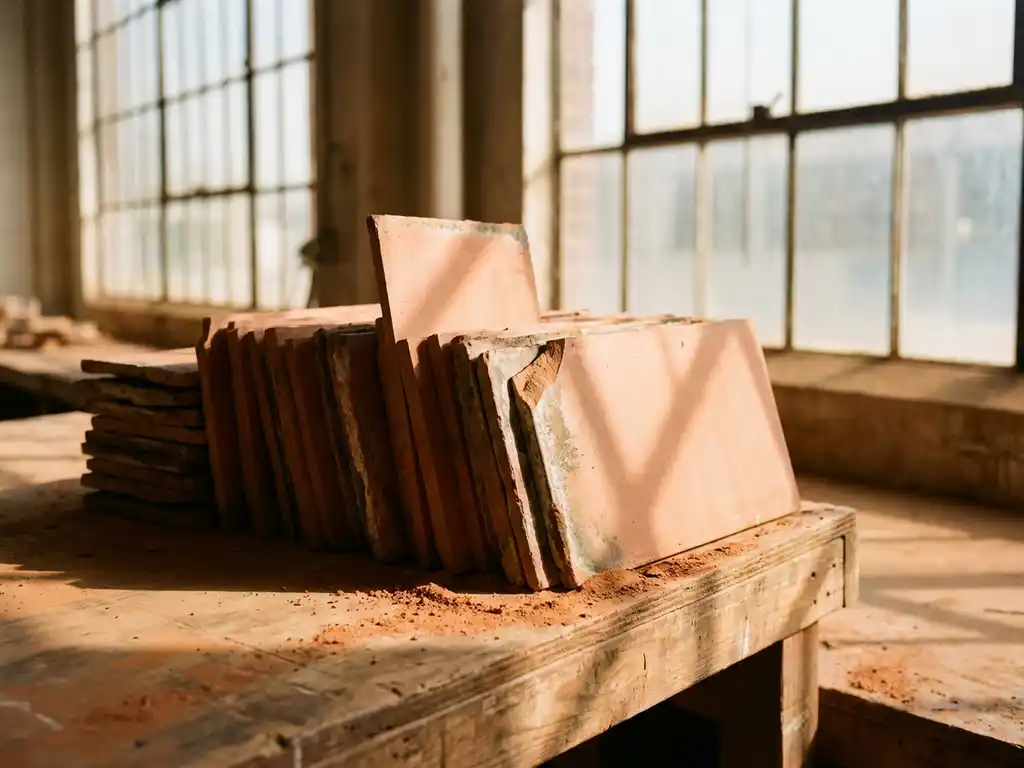
Are terracotta facade panels recyclable at end of life?
Yes, terracotta facade panels are fully recyclable at the end of their life. These ceramic building materials can be 100% recycled and reprocessed into new products, making them one of the most sustainable facade options available. Their clay-based composition and firing process create a stable material that maintains its properties through multiple recycling cycles.
The recyclability of terracotta facade panels stems from their fundamental ceramic composition. Unlike composite materials that combine different substances, terracotta panels consist primarily of fired clay, which can be crushed and reformed without losing its essential characteristics. This process allows the material to be continuously cycled back into the construction industry, reducing waste and conserving natural resources.
Modern ceramic facade systems are specifically designed with end-of-life considerations in mind. Installation methods often allow for easy deconstruction: panels can be removed intact and sorted by material type. This approach maximizes the potential for both recycling and direct reuse, supporting circular-economy principles in construction.
How are ceramic facade panels recycled or processed?
Ceramic facade panels are recycled by crushing, grinding, and reprocessing them into new ceramic products or construction materials. The panels are first cleaned and sorted, then mechanically broken down into various sizes depending on their intended reuse application. This processed material can then be incorporated into new ceramic production or used as aggregate in construction projects.
The recycling process begins with careful deconstruction of the facade system. Panels are removed from their mounting systems and sorted to separate any non-ceramic components, such as aluminum profiles or fasteners. Clean ceramic panels are then transported to recycling facilities, where they undergo mechanical processing.
During processing, the ceramic material is crushed into different grades of aggregate. Fine particles can be mixed with fresh clay to create new ceramic products, while larger pieces may be used as aggregate in concrete or road construction. The high firing temperatures used in the original ceramic production ensure the recycled material maintains excellent durability and performance characteristics in its new applications.
Can terracotta facade panels be reused without recycling?
Yes, terracotta facade panels can often be reused directly, without recycling, if they are carefully removed during deconstruction and remain in good condition. This direct reuse is the most environmentally beneficial end-of-life option, as it requires no additional processing energy and preserves the full embodied energy of the original panels.
Successful reuse depends heavily on the original installation method and the care taken during removal. Facade systems designed with deconstruction in mind, such as those using mechanical fixing systems rather than adhesives, facilitate clean removal of intact panels. The precision manufacturing of modern ceramic facade panels also supports reuse, as their consistent dimensions and interlocking profiles allow for straightforward reinstallation.
Before reuse, panels typically undergo inspection and cleaning to ensure they meet performance standards for their new application. Minor repairs or refurbishment may be necessary, but this still represents significantly less environmental impact than complete recycling or disposal. The durability of fired ceramic materials means that properly maintained facade panels can serve multiple building lifecycles while maintaining their structural and aesthetic properties.
What are the environmental benefits of recycling facade panels?
Recycling facade panels significantly reduces construction waste, conserves natural clay resources, and minimizes the energy required for new material production. This process can reduce environmental impact by up to 70% compared to manufacturing entirely new ceramic materials, while diverting substantial volumes of construction debris from landfills.
The primary environmental advantage lies in resource conservation. Clay extraction for new ceramic production requires mining operations that disturb natural landscapes and consume significant energy for transportation. Recycling existing ceramic materials reduces this demand, preserving natural clay deposits and minimizing associated environmental disruption.
Energy savings represent another crucial benefit of ceramic facade recycling. While the initial firing process for ceramic production requires temperatures exceeding 1,200 degrees Celsius, recycled ceramic materials often require less energy to reprocess. This reduction in energy consumption translates directly to lower carbon emissions and reduced environmental impact throughout the material lifecycle.
Waste-reduction benefits extend beyond individual projects to support broader sustainability goals in construction. The building industry generates substantial waste volumes, and ceramic facade recycling helps address this challenge while supporting circular-economy principles. When combined with design-for-deconstruction approaches, recycling programs can transform facade materials from waste streams into valuable resources for future construction projects.
How TONALITY® Supports Sustainable Ceramic Facade Solutions
TONALITY® ceramic facade systems are specifically engineered for complete recyclability and sustainable end-of-life management. Our single-layer ceramic elements are 100% recyclable and designed for easy deconstruction, allowing building owners to maximize both environmental benefits and material value recovery.
Our sustainable approach includes several key features:
- Mechanical fixing systems that enable clean panel removal without damage
- Precise manufacturing tolerances that support both recycling and direct reuse applications
- A1 fire-classification materials with no combustible components to complicate recycling
- Component-by-component sorting capabilities for maximum material recovery
- Comprehensive support for sustainable building certification programs
Ready to specify truly sustainable ceramic facade solutions for your next project? Contact our technical team to learn how TONALITY® systems can support your environmental goals while delivering exceptional performance and design flexibility. You can also explore our successful project references to see how other architects have implemented sustainable ceramic facade solutions.
Ähnliche Artikel
- Wie plant man Schulgebäude für wachsende Schülerzahlen zukunftssicher?
- What does an architectural designer actually do?
- Why do hospitals and healthcare facilities increasingly specify terracotta facades?
- 5 Universities That Chose Terracotta Facades (And Why)
- What is the step-by-step process for terracotta facade assembly?