

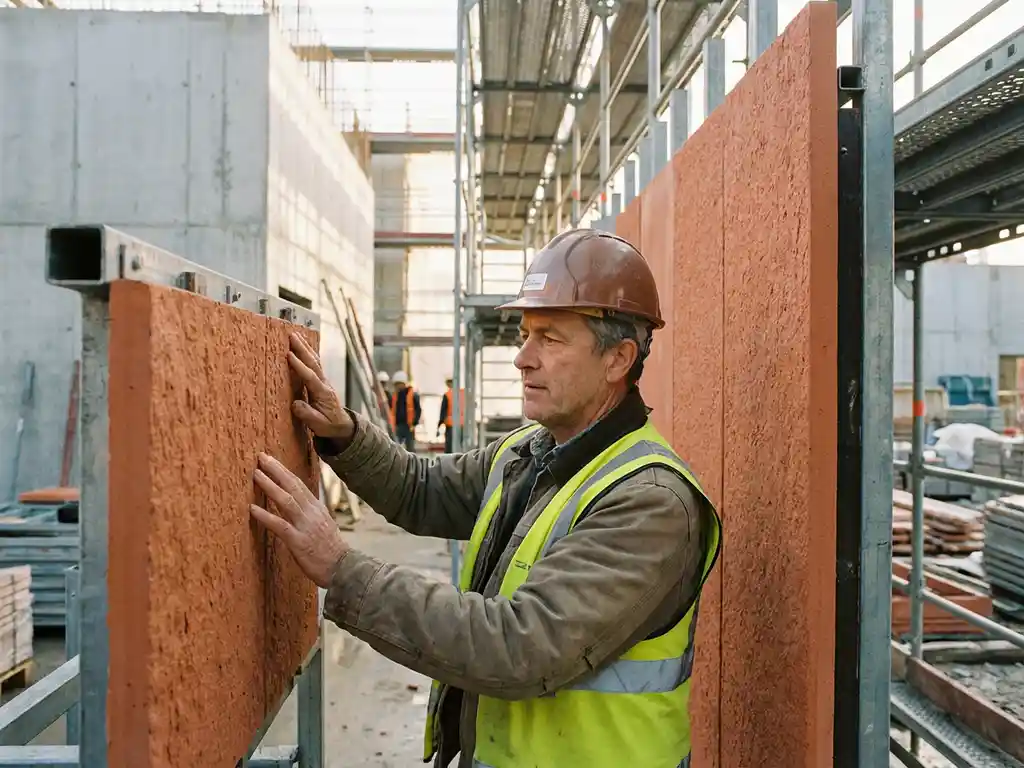
Why Mock-Up Testing Is Critical for Terracotta Facades
Mock-up testing serves as the foundation for successful terracotta facade projects, allowing you to validate design assumptions and installation methods before committing to full-scale construction. This critical phase helps identify potential issues with ceramic facade installation, thermal performance, and weather resistance that could compromise your project’s long-term success.
Terracotta facades present unique challenges due to their material properties and installation requirements. Mock-up testing enables you to verify joint performance, accommodate thermal movement, and evaluate water management systems under controlled conditions. This process significantly reduces the risk of costly rework during construction while ensuring your facade system meets both aesthetic and performance expectations.
What You Need Before Starting Mock-Up Testing
Begin by assembling your complete material specification, including terracotta panel dimensions, fixing systems, insulation details, and structural support components. Your mock-up testing will only be as accurate as the materials you use, so ensure all components match your final project specifications exactly.
Establish clear testing objectives that align with your project’s performance requirements. Document specific criteria for water penetration resistance, thermal performance, structural loading, and installation tolerances. You’ll also need access to appropriate testing facilities or outdoor exposure sites that can accommodate your mock-up structure and provide controlled environmental conditions for facade testing protocols.
Design Your Mock-Up Test Structure and Scope
Create a representative section of your facade system that includes all critical interfaces and transitions. Your mock-up should incorporate typical panel joints, corner conditions, window openings, and any architectural features that present installation challenges. Size the structure to include at least four full terracotta panels with complete joint details.
Define your testing scope to address the most critical performance aspects of your ceramic facade installation. Focus on water penetration testing, thermal cycling, structural load simulation, and installation sequence validation. Document the specific test methods you’ll employ, referencing relevant industry standards such as ASTM E331 for water penetration and ASTM E330 for structural performance testing.
Execute Performance Testing Protocols Step-by-Step
Water Penetration Testing
Install your mock-up in a testing chamber or create a controlled water application system. Apply water at specified rates while monitoring for leakage through joints, panel interfaces, and fixing points. Begin with static water tests at 2.86 L/min per square meter for 15 minutes, then progress to dynamic testing with a simultaneous air pressure differential of 137 Pa.
Thermal Performance Evaluation
Subject your terracotta facade mock-up to thermal cycling that simulates seasonal temperature variations at your project location. Monitor panel movement, joint performance, and fixing system integrity through multiple heating and cooling cycles. Record any signs of stress, cracking, or joint failure that could indicate long-term performance issues.
Structural Load Testing
Apply design wind loads to verify your facade system’s structural integrity and deflection characteristics. Test both positive and negative pressure conditions while monitoring panel deflection, fixing system performance, and overall structural response. Document any permanent deformation or connection failures that occur during loading.
Analyze Results and Validate Installation Methods
Evaluate all test data against your predetermined performance criteria, paying particular attention to water penetration results and structural response characteristics. Identify any failure modes or performance deficiencies that require design modifications or installation procedure adjustments. Document successful installation techniques and sequences that can be replicated during construction.
Compare your mock-up testing results with manufacturer specifications and industry standards to ensure compliance with building codes and performance requirements. If any tests reveal deficiencies, modify your design or installation approach and conduct additional testing to validate improvements. This iterative process ensures your final facade system meets all performance objectives.
Apply Mock-Up Findings to Your Main Project
Translate successful mock-up procedures into detailed installation specifications and quality control protocols for your construction team. Create step-by-step installation guides that reference proven techniques from your testing phase, including specific tolerances, sealant application methods, and quality checkpoints.
Establish inspection criteria based on your mock-up testing experience, defining acceptable performance standards for joint installation, panel alignment, and overall facade quality. Use your validated installation methods as the benchmark for contractor training and quality assurance throughout the construction process. This approach ensures consistent application of proven techniques across your entire terracotta facade project.
How TONALITY® Supports Your Mock-Up Testing Process
TONALITY® provides comprehensive technical support for facade testing and validation, ensuring your ceramic facade installation achieves optimal performance from the outset. Our engineering team collaborates with you throughout the mock-up testing process, offering:
- Detailed technical specifications and installation guidelines for accurate mock-up construction
- Performance data and testing protocols specific to our ceramic facade systems
- Expert consultation on test design and results interpretation
- Quality assurance support to validate installation methods and procedures
Ready to ensure your terracotta facade project’s success through proper mock-up testing? Contact our technical team to discuss your specific testing requirements and access our comprehensive facade performance resources. You can also explore our successful project references to see how proper mock-up testing has contributed to exceptional facade installations worldwide.