

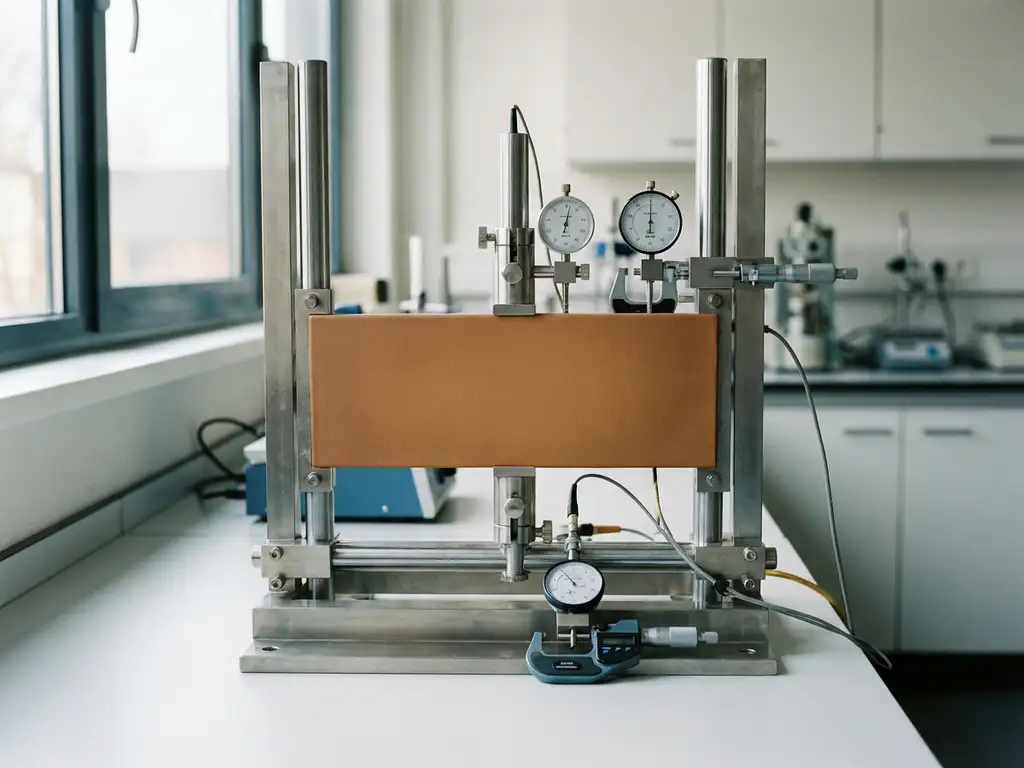
Why Laboratory Testing Matters for Façade Systems
Laboratory testing serves as the foundation for ensuring terracotta façade systems meet stringent performance standards throughout their operational lifespan. These comprehensive evaluations validate that ceramic façade materials can withstand decades of exposure to harsh environmental conditions while maintaining their structural integrity and aesthetic appeal.
Professional façade system quality control through standardized testing protocols protects both building occupants and property investments. Without proper ceramic façade laboratory tests, even premium materials may fail prematurely, leading to costly repairs and potential safety hazards that could have been prevented through rigorous pre-installation verification.
1: Thermal Shock Resistance Testing
Thermal shock resistance testing evaluates how ceramic façade materials respond to rapid temperature fluctuations that occur naturally in building environments. This critical assessment subjects terracotta samples to extreme temperature cycles, typically ranging from -20°C to +80°C, to simulate decades of seasonal changes and daily thermal variations.
The test protocol involves repeated heating and cooling cycles while monitoring for surface cracking, dimensional changes, or structural deterioration. High-quality ceramic building materials demonstrate exceptional stability during these cycles, maintaining their integrity without developing stress fractures that could compromise long-term performance or allow moisture infiltration.
2: Water Absorption and Permeability Tests
Water absorption testing determines the porosity characteristics of terracotta façade materials and their resistance to moisture penetration. This fundamental building material test measures the percentage of water that ceramic elements absorb when subjected to standardized immersion conditions over specified time periods.
Low water absorption rates, typically below 6% for high-performance ceramic façades, indicate a dense material structure that resists freeze-thaw damage and staining. Permeability tests complement absorption measurements by evaluating how quickly moisture moves through the material, ensuring optimal vapor management while preventing water accumulation within the façade system.
3: Mechanical Strength and Load Testing
Mechanical strength evaluations assess the structural capacity of ceramic façade elements under various loading conditions they will encounter during installation and service life. These façade performance testing protocols include flexural strength, impact resistance, and compression testing to verify that materials can handle wind loads, thermal expansion forces, and installation stresses.
Standardized load testing simulates extreme weather events, including hurricane-force winds and seismic activity, ensuring terracotta systems maintain their attachment to building structures. Results from these tests inform proper installation specifications and help architects determine appropriate spacing and support requirements for specific project conditions.
4: Fire Resistance Classification Testing
Fire resistance classification determines how ceramic façade materials behave when exposed to flames and high temperatures during building fires. This critical safety assessment evaluates combustibility, flame spread rates, smoke production, and toxic gas emissions according to international building codes and safety standards.
Premium ceramic building materials typically achieve Class A1 non-combustible ratings, meaning they contain no organic components that could fuel fires or produce dangerous smoke. These classifications directly impact building design flexibility, insurance considerations, and occupant safety, making fire testing an essential component of comprehensive façade system certification.
5: UV Stability and Color Fastness Tests
UV stability testing exposes terracotta façade samples to accelerated ultraviolet radiation equivalent to decades of natural sunlight exposure. This weathering simulation identifies potential color fading, surface degradation, or chemical breakdown that could affect the façade’s appearance and performance over time.
Color fastness evaluations measure how well ceramic surfaces maintain their original appearance when subjected to various environmental stressors beyond UV exposure, including acid rain, atmospheric pollutants, and temperature variations. Superior ceramic façade materials demonstrate exceptional color retention, ensuring buildings maintain their intended aesthetic character throughout their design life.
6: Freeze-Thaw Cycle Durability Testing
Freeze-thaw cycle testing subjects saturated ceramic samples to repeated freezing and thawing conditions that replicate winter weather patterns in cold climates. This durability assessment identifies potential spalling, cracking, or surface deterioration caused by ice expansion within the material’s pore structure.
The test protocol typically involves 100 to 300 freeze-thaw cycles while monitoring for mass loss, dimensional changes, and visual defects. High-performance terracotta façade materials demonstrate minimal degradation after extensive cycling, confirming their suitability for installation in regions experiencing harsh winter conditions and ensuring long-term structural reliability.
7: Chemical Resistance and Pollution Tests
Chemical resistance testing evaluates how ceramic façade surfaces respond to exposure to urban pollutants, acid rain, cleaning agents, and atmospheric contaminants commonly encountered in modern building environments. These assessments help predict long-term maintenance requirements and surface durability under real-world conditions.
Pollution resistance tests specifically examine how airborne particles, vehicle emissions, and industrial pollutants affect terracotta surfaces over time. Materials demonstrating superior chemical resistance maintain their appearance and structural integrity while requiring minimal maintenance interventions, contributing to reduced life-cycle costs and sustained building performance.
8: Dimensional Stability and Precision Testing
Dimensional stability testing verifies that ceramic façade elements maintain their specified measurements throughout manufacturing, shipping, and installation processes. This precision assessment ensures consistent joint widths, proper alignment, and seamless integration with building systems and adjacent materials.
Manufacturing tolerance verification confirms that terracotta components meet architectural specifications within acceptable dimensional ranges, typically within one millimeter for premium systems. Consistent dimensional accuracy enables predictable installation procedures, reduces field modifications, and ensures the completed façade achieves its intended visual and performance characteristics.
9: Adhesion and Bonding Strength Tests
Adhesion testing evaluates the bond strength between ceramic façade elements and their mounting systems, sealants, or structural attachments. These mechanical assessments ensure that all system components work together effectively under various loading conditions and environmental stresses.
Bonding strength tests examine how well different materials interface with terracotta surfaces, including gaskets, structural glazing compounds, and mechanical fasteners. Strong adhesion characteristics prevent system failures, reduce maintenance requirements, and ensure long-term façade system integrity even under extreme weather conditions or building movement.
10: Long-Term Weathering Simulation Tests
Long-term weathering simulation subjects ceramic façade samples to accelerated aging conditions that compress decades of natural exposure into months of laboratory testing. These comprehensive evaluations combine multiple environmental stressors, including UV radiation, temperature cycling, moisture exposure, and chemical pollutants, to predict real-world performance.
Advanced weathering chambers recreate specific climate conditions from around the world, allowing manufacturers to validate terracotta performance for diverse geographic locations and environmental challenges. Results from these extended simulations provide confidence in material specifications and help establish appropriate warranty terms for building projects.
Ensuring Quality Through Comprehensive Testing
Comprehensive laboratory testing programs provide the foundation for confident specification and long-term performance of terracotta façade systems. These rigorous evaluations protect architectural investments while ensuring building occupants benefit from durable, safe, and aesthetically pleasing exterior systems that perform as intended throughout their design life.
Selecting ceramic façade materials that have successfully completed all essential testing protocols reduces project risks and supports sustainable building practices. The investment in proper testing verification pays dividends through reduced maintenance costs, extended service life, and consistent performance that meets or exceeds architectural expectations.
How TONALITY® Ensures Superior Testing Standards
TONALITY® ceramic façade systems undergo rigorous laboratory testing that exceeds industry standards, ensuring every element meets the highest performance criteria. Our comprehensive testing program validates exceptional results across all critical performance areas, as demonstrated in our successful project implementations:
- Class A1 non-combustible fire rating with zero organic content
- Minimal water absorption rates below 3% due to high-temperature sinter firing
- Superior dimensional precision within a one-millimeter tolerance
- Exceptional UV stability with permanent color fastness
- Outstanding freeze-thaw durability for all climate conditions
- Comprehensive chemical resistance to urban pollutants and cleaning agents
Our advanced manufacturing process in the Westerwald region, utilizing Europe’s finest clay deposits and firing temperatures exceeding 1,200°C, creates ceramic elements that consistently surpass testing requirements. Contact our technical team today to review complete testing documentation and discover how TONALITY® systems deliver unmatched performance for your next façade project.