

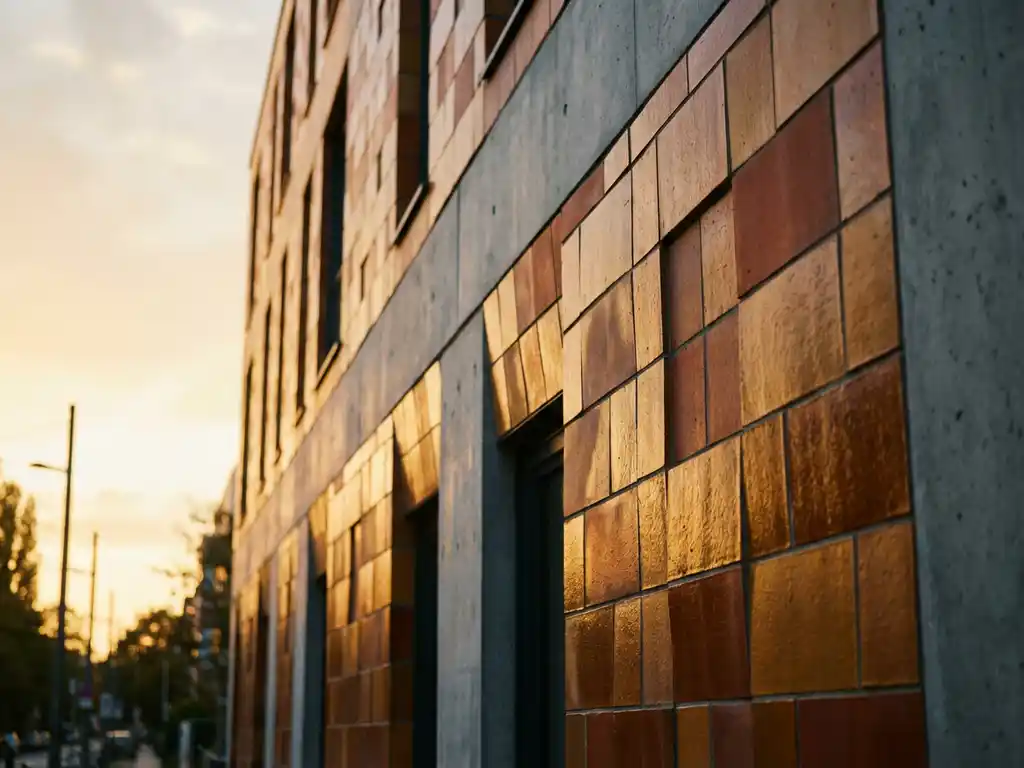
Why Terracotta Facades Define Modern Architecture
Terracotta façade systems have emerged as a defining element of contemporary architectural excellence, combining ancient clay craftsmanship with cutting-edge design innovation. These ceramic cladding solutions offer architects unprecedented creative freedom while delivering exceptional performance that meets today’s demanding sustainability and durability requirements.
The following award-winning projects demonstrate how leading architects leverage terracotta panels and ceramic tiles to create iconic structures that push architectural boundaries. Each project showcases unique applications of ceramic façade systems, from intricate geometric patterns to bold sculptural forms that redefine urban landscapes.
1: Bjarke Ingels’ Via 57 West Pyramid Tower
Via 57 West stands as a revolutionary example of terracotta façade innovation in New York City’s residential architecture. The pyramid-shaped tower features a distinctive bronze-colored ceramic cladding system that creates dramatic patterns of light and shadow throughout the day, transforming the building’s appearance from every viewing angle.
The project’s ceramic tiles were specifically engineered to withstand harsh urban weather conditions while maintaining their lustrous finish. The terracotta panels integrate seamlessly with the building’s unique geometric form, proving that ceramic façade systems can adapt to even the most unconventional architectural shapes without compromising structural integrity or visual impact.
2: Renzo Piano’s Whitney Museum Expansion
Renzo Piano’s approach to the Whitney Museum showcases how terracotta cladding can honor architectural heritage while embracing contemporary design principles. The museum’s façade combines warm-toned ceramic panels with steel and glass elements, creating a harmonious dialogue between materials that reflects the institution’s artistic mission.
The ceramic façade system provides exceptional weather resistance to protect the museum’s valuable collections while offering superior thermal performance. Piano’s careful selection of terracotta panel sizes and installation patterns demonstrates how architectural ceramics can serve both functional and aesthetic purposes in cultural buildings.
3: Foster + Partners’ Apple Park Visitor Center
Apple Park’s Visitor Center represents a masterclass in integrating terracotta façade elements with sustainable design principles. Foster + Partners used precision-manufactured ceramic tiles to create seamless curved surfaces that complement the campus’s naturalistic landscape design while maintaining the tech giant’s signature minimalist aesthetic.
The building’s ceramic cladding system incorporates advanced thermal properties that reduce energy consumption while providing exceptional durability. The terracotta panels’ consistent color and texture create visual continuity across the structure’s complex geometry, demonstrating how modern façade systems can achieve both technical excellence and design sophistication.
4: Zaha Hadid’s Heydar Aliyev Cultural Center
The Heydar Aliyev Cultural Center pushes the boundaries of what’s possible with ceramic façade technology. Hadid’s fluid, undulating design required custom-manufactured terracotta panels that could conform to the building’s complex double-curved surfaces while maintaining structural performance and weather resistance.
This project proves that ceramic tiles can adapt to even the most challenging architectural geometries. The white ceramic cladding creates a seamless, monolithic appearance that enhances the building’s sculptural qualities while providing practical benefits, including low maintenance requirements and excellent longevity.
5: Jean Nouvel’s Institut du Monde Arabe Renovation
Nouvel’s renovation of the Institut du Monde Arabe demonstrates how terracotta façade systems can bridge traditional craftsmanship and contemporary technology. The project incorporates intricate ceramic panels that reference Islamic geometric patterns while using modern manufacturing techniques to achieve unprecedented precision and detail.
The ceramic façade elements provide superior weather protection for the building’s sensitive cultural artifacts while creating dynamic visual effects through carefully calculated light filtration. This project showcases how architectural ceramics can serve cultural and symbolic functions beyond their practical performance benefits.
6: Tadao Ando’s Modern Art Museum of Fort Worth
Ando’s Modern Art Museum exemplifies the sophisticated integration of terracotta cladding with concrete architecture. The museum’s ceramic panels complement Ando’s signature concrete surfaces while providing enhanced thermal performance and weather resistance for the building’s art storage and exhibition spaces.
The terracotta façade system creates subtle textural contrasts that enhance the building’s monumental character. Ando’s careful attention to ceramic tile proportions and installation details demonstrates how façade systems can support architectural concepts while delivering superior technical performance.
7: What Makes Snøhetta’s Opera House So Special?
The Oslo Opera House by Snøhetta revolutionizes public architecture through its innovative use of ceramic façade elements integrated with the building’s walkable roof concept. The terracotta panels provide slip-resistant surfaces for pedestrians while maintaining the structure’s elegant aesthetic and weather resistance.
Snøhetta’s ceramic cladding system demonstrates exceptional durability under extreme Nordic weather conditions, including freeze-thaw cycles and intense UV exposure. The project proves that architectural ceramics can serve multiple functions simultaneously—structural, aesthetic, and experiential—while maintaining long-term performance standards.
8: Santiago Calatrava’s World Trade Center Hub
Calatrava’s Transportation Hub showcases how terracotta façade technology can create emotionally resonant architecture in sensitive urban contexts. The building’s white ceramic panels form wing-like structures that symbolize renewal and hope while providing exceptional structural performance and weather resistance.
The ceramic cladding system incorporates advanced fire-resistant properties crucial for transportation infrastructure. Calatrava’s design demonstrates how terracotta panels can achieve both symbolic meaning and technical excellence, creating architecture that serves practical needs while inspiring public engagement.
9: Peter Zumthor’s Therme Vals Spa Complex
Zumthor’s Therme Vals integrates ceramic façade elements with natural stone to create an architecture of sensory experience. The spa’s terracotta cladding provides moisture resistance essential for the humid environment while contributing to the building’s meditative atmosphere through carefully considered textures and proportions.
The project’s ceramic tiles demonstrate exceptional performance in challenging environmental conditions, including constant humidity and temperature fluctuations. Zumthor’s approach proves that architectural ceramics can enhance experiential qualities while delivering superior technical performance in specialized building types.
10: Kengo Kuma’s Victoria & Albert Museum Extension
Kuma’s V&A extension showcases how terracotta façade systems can reinterpret traditional architectural elements for contemporary applications. The building’s ceramic panels create intricate geometric patterns that reference both Japanese craftsmanship traditions and British architectural heritage while providing modern performance standards.
The ceramic cladding system incorporates advanced manufacturing techniques that achieve unprecedented precision in pattern creation and installation. This project demonstrates how architectural ceramics can bridge cultural traditions while meeting contemporary demands for sustainability and durability.
11: Morphosis’ Perot Museum of Science
The Perot Museum by Morphosis uses terracotta cladding to create dynamic façade compositions that reflect the institution’s scientific mission. The building’s ceramic panels incorporate varying textures and colors that create visual movement while providing superior weather resistance and thermal performance.
Morphosis demonstrates how ceramic façade systems can support educational architecture by creating engaging visual experiences that complement learning environments. The terracotta panels’ durability ensures long-term performance essential for public institutions while contributing to the building’s distinctive architectural identity.
12: Diller Scofidio + Renfro’s Lincoln Center
The Lincoln Center renovation showcases how terracotta façade technology can revitalize historic cultural institutions. Diller Scofidio + Renfro’s ceramic panels create contemporary interventions that respect the complex’s classical heritage while providing modern performance standards for acoustics and climate control.
The ceramic cladding system incorporates advanced acoustic properties essential for performance venues. This project proves that architectural ceramics can serve specialized technical functions while maintaining aesthetic coherence across complex renovation projects involving multiple building phases.
13: Alejandro Zaera-Polo’s Yokohama Terminal
The Yokohama International Port Terminal demonstrates how terracotta façade systems can create seamless transitions between architecture and landscape. Zaera-Polo’s ceramic panels form continuous surfaces that blur boundaries between walls, floors, and roofs while providing exceptional durability in marine environments.
The project’s ceramic cladding withstands harsh coastal conditions, including salt spray and extreme weather, while maintaining its appearance over time. This terminal proves that architectural ceramics can perform in challenging environments while supporting innovative design concepts that redefine building typologies.
14: Thomas Heatherwick’s Coal Drops Yard
Heatherwick’s Coal Drops Yard renovation showcases how ceramic façade elements can transform industrial heritage buildings for contemporary use. The project’s terracotta cladding creates dramatic curved connections between existing structures while providing modern performance standards for retail and cultural programming.
The ceramic panels demonstrate exceptional flexibility in adapting to complex geometric requirements while maintaining structural integrity. Heatherwick’s approach proves that architectural ceramics can bridge historic preservation and contemporary design innovation, creating unique hybrid architectures.
15: Bjarke Ingels’ Amager Bakke Power Plant
The Amager Bakke power plant represents the ultimate fusion of infrastructure and recreation through innovative terracotta façade applications. Ingels’ ceramic cladding system creates a ski slope on the building’s roof while housing waste-to-energy facilities, demonstrating how architectural ceramics can support radical programmatic concepts.
The ceramic panels provide exceptional slip resistance for recreational activities while maintaining industrial-grade durability for power generation facilities. This project showcases how terracotta façade systems can enable entirely new building typologies that combine multiple functions without compromising performance in any application.
Apply These Ceramic Facade Lessons to Your Projects
These award-winning projects demonstrate that successful terracotta façade design requires careful consideration of both aesthetic vision and technical performance. The most impactful ceramic cladding systems integrate seamlessly with architectural concepts while delivering superior durability, weather resistance, and long-term value.
Contemporary ceramic façade technology offers architects unprecedented opportunities to create distinctive buildings that perform exceptionally over decades of use. Whether pursuing geometric complexity, cultural symbolism, or environmental sustainability, terracotta panels provide the technical foundation for architectural innovation.
How TONALITY® Helps Realize Award-Winning Ceramic Facade Projects
TONALITY® ceramic façade systems provide architects with the technical excellence and design flexibility demonstrated in these world-class projects. Our German-engineered ceramic panels deliver the performance standards required for iconic architecture while offering unlimited creative possibilities.
- Precision manufacturing ensures consistent quality across complex geometric designs
- A1 fire classification provides safety standards essential for public and cultural buildings
- Superior weather resistance maintains appearance and performance in any climate
- Lightweight construction reduces structural requirements and installation complexity
- Complete recyclability supports sustainable design goals
Contact our technical team to discuss how TONALITY® ceramic façade systems can support your next award-winning architectural project.