

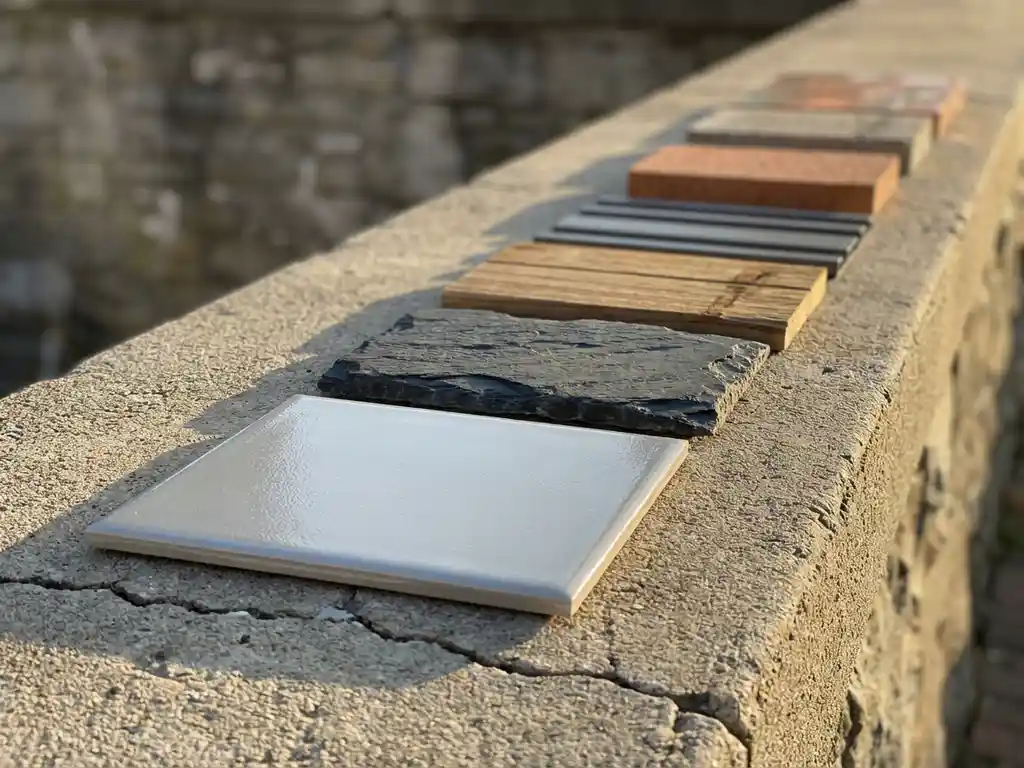
When architects and building owners evaluate facade material comparison options, the initial material costs often overshadow a critical consideration: what will this investment truly cost over five decades? Understanding the total cost of ownership transforms how we approach facade decisions, revealing that the most expensive upfront choice might actually deliver the greatest long-term value.
Building facade costs extend far beyond initial procurement and installation. Maintenance schedules, energy performance, replacement cycles, and operational requirements create a complex financial picture that unfolds over decades. This comprehensive facade investment analysis examines seven popular exterior materials through the lens of 50-year ownership, helping you make informed decisions that balance performance, sustainability, and financial prudence.
Why 50-year cost analysis transforms facade decisions
Traditional procurement processes focus heavily on upfront expenses, but this approach overlooks the substantial ongoing costs that define true building facade costs. Maintenance requirements, energy performance characteristics, and material lifespan variations create dramatically different financial outcomes over time.
Lifecycle cost analysis methodology considers every expense associated with facade ownership: initial materials and installation, routine maintenance, major repairs, energy implications, and eventual replacement. This holistic view reveals that facade material durability and low maintenance requirements often justify higher initial investments through reduced long-term expenses.
The seven facade materials examined here represent the most common choices in contemporary construction, each offering distinct advantages and challenges in long-term ownership scenarios.
1: Ceramic facade systems – premium durability
Ceramic facade systems command higher initial investments but demonstrate exceptional performance in long-term ownership scenarios. The material’s inherent resistance to weathering, UV degradation, and thermal cycling translates into minimal maintenance requirements over decades of service.
Installation costs reflect the precision required for ceramic systems, yet this careful approach contributes to superior long-term performance. Ceramic facade benefits include excellent fire resistance, consistent appearance retention, and minimal cleaning requirements compared to other facade materials.
Over 50 years, ceramic facades typically require only routine cleaning and occasional sealant maintenance. The material’s dimensional stability and colour retention eliminate common expenses associated with coating renewals, panel replacements, or major refurbishment cycles that affect other facade materials.
2: Natural stone facades – timeless investment
Natural stone represents a significant upfront investment but offers unmatched longevity when properly specified and maintained. The material’s thermal mass properties contribute to building energy performance, while its inherent durability supports multi-generational service life expectations.
Maintenance protocols for stone facades focus on cleaning, repointing, and occasional stone replacement due to weathering or damage. Specialised labour requirements for stone work can increase maintenance costs, yet the intervals between major maintenance cycles typically extend beyond those of manufactured materials.
Facade maintenance costs for stone systems vary significantly based on stone type, local climate conditions, and detailing quality. Dense stones like granite require minimal intervention, while softer materials may need more frequent attention to maintain performance and appearance standards.
3: Metal panel systems – modern efficiency
Aluminium and steel panel systems offer competitive initial costs and excellent design flexibility, making them popular choices for contemporary architecture. However, long-term ownership costs depend heavily on coating quality, environmental exposure, and thermal movement accommodation.
Corrosion protection systems require periodic renewal, particularly in coastal or industrial environments. Coating failures can necessitate complete panel refinishing or replacement, creating substantial maintenance expenses that accumulate over decades of service.
Thermal expansion considerations become critical in metal facade design, as inadequate movement accommodation leads to premature failures and increased maintenance requirements. Properly designed systems with quality coatings demonstrate excellent facade material lifespan characteristics and manageable ownership costs.
4: Fibre cement boards – balanced performance
Fibre cement boards provide moderate initial costs with reasonable long-term performance when properly maintained. The material’s moisture resistance and dimensional stability support reliable service, though coating maintenance becomes essential for appearance and weather protection.
Painting and sealing schedules typically occur every 10–15 years, depending on environmental exposure and coating quality. These maintenance cycles represent predictable expenses that building owners can plan for throughout the facade’s service life.
Replacement intervals for fibre cement systems generally extend beyond 30 years with proper maintenance, making them cost-effective choices for projects prioritising a balanced initial investment and long-term performance requirements.
5: What makes brick facades cost-effective long term?
Traditional brick construction demonstrates exceptional long-term value through minimal maintenance requirements and outstanding durability. The material’s thermal mass properties contribute to building energy efficiency, while its proven longevity supports century-long service expectations.
Mortar maintenance and repointing represent the primary ongoing expenses for brick facades, typically required every 25–50 years depending on mortar quality and environmental exposure. These maintenance cycles are predictable and manageable compared to the more frequent interventions required by other facade materials.
Sustainable facade materials like brick offer additional value through recyclability and minimal environmental impact during production. The combination of low maintenance, energy benefits, and exceptional durability makes brick facades highly cost-effective in long-term ownership analysis.
6: Engineered wood facades – sustainable choice
Engineered wood facades appeal to projects prioritising sustainability and natural aesthetics, though long-term ownership costs require careful consideration of treatment and maintenance requirements. Proper wood selection and finishing systems significantly influence lifecycle performance and expenses.
Treatment and maintenance protocols focus on moisture protection and UV resistance, typically requiring refinishing every 5–10 years. Replacement cycles vary considerably based on wood species, treatment quality, and environmental exposure conditions.
Total 50-year ownership costs for wood facades include regular refinishing, occasional board replacement, and potential system renewal after 25–35 years. Despite these requirements, wood’s sustainability benefits and thermal performance contribute to overall building value.
7: Glass curtain walls – high-tech solutions
Glass curtain wall systems represent substantial initial investments but offer exceptional design possibilities and energy performance potential. However, long-term ownership costs include regular cleaning, seal maintenance, and eventual glazing unit replacement.
Cleaning protocols for glass facades require professional services and specialised equipment, creating ongoing operational expenses throughout the building’s life. Seal replacement schedules typically occur every 15–20 years to maintain weather resistance and energy performance.
Building exterior materials like high-performance glazing systems justify their costs through energy savings and occupant comfort benefits. Comprehensive lifecycle cost analysis must account for both maintenance expenses and operational energy considerations to determine true ownership costs.
How TONALITY® ceramic facades optimise ownership costs
TONALITY® ceramic facade systems address total cost of ownership through innovative design and superior material performance. Our ceramic panels eliminate many traditional maintenance requirements while delivering exceptional durability and energy efficiency benefits.
Key ownership advantages include:
- Minimal maintenance requirements – self-cleaning properties reduce ongoing care
- Superior colour retention – eliminates costly refinishing cycles
- Excellent thermal performance – contributes to building energy efficiency
- Fire resistance benefits – supports building safety and insurance considerations
- Proven durability – backed by comprehensive testing and warranty coverage
Ready to optimise your facade investment? Contact our technical team to discuss how TONALITY® ceramic systems can deliver superior long-term value for your next project. Explore our successful project references to see how other building owners have achieved exceptional long-term facade performance.