

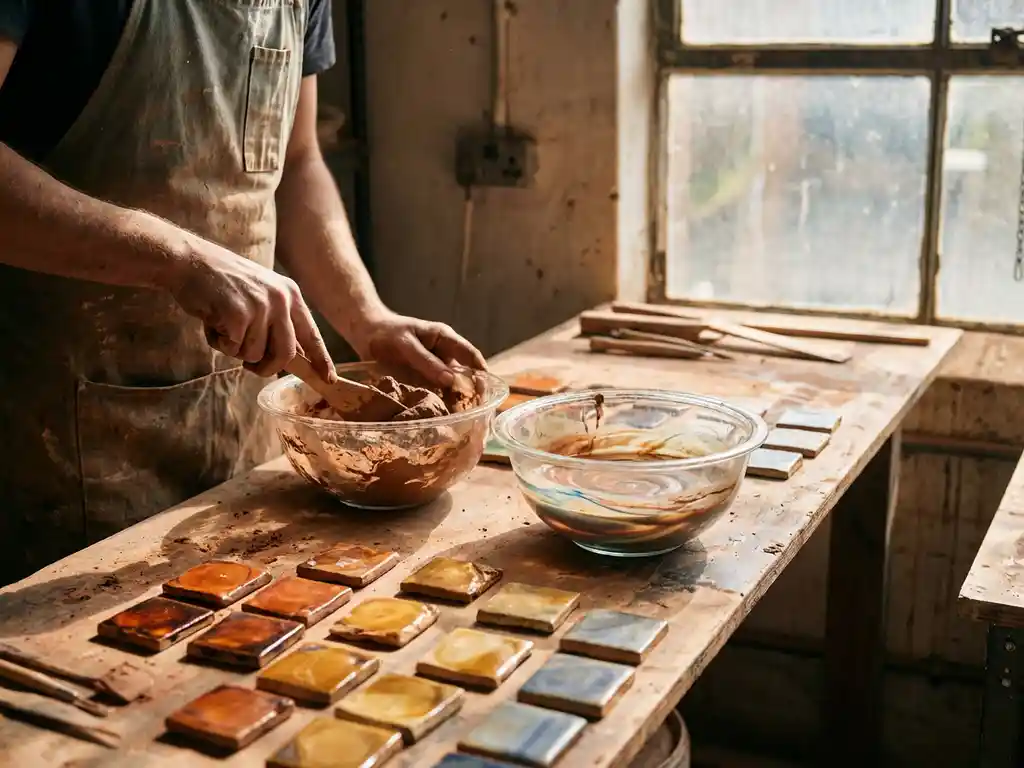
Why Custom Colors Matter for Ceramic Facades
Custom terracotta colors and glazes enable architects to achieve precise design visions while maintaining the superior performance characteristics that ceramic facades provide. Unlike standard color palettes, custom color development allows for exact matching to brand guidelines, complementary materials, or specific aesthetic requirements that distinguish architectural projects.
Investing in custom ceramic glazes delivers long-term value through consistent color performance and UV resistance that maintain appearance over decades. Custom formulations also ensure your facade design remains unique and cannot be easily replicated, providing lasting architectural distinction that enhances property value.
What You Need Before Starting Color Development
Gather comprehensive color references before initiating discussions with terracotta manufacturers. Physical samples work best—collect material swatches, paint chips, or existing ceramic pieces that represent your target colors. Digital color references should include specific Pantone numbers, RAL codes, or other standardized color systems rather than on-screen images.
Prepare project specifications, including the total square footage required, the installation timeline, and performance requirements for your ceramic facades. Manufacturers need to understand the scale and complexity of your project to recommend appropriate glaze formulation approaches and production schedules that align with your construction timeline.
Define Your Color Requirements with Technical Specifications
Communicate color requirements using standardized color systems that ceramic manufacturers can reference consistently. Provide RAL, NCS, or Pantone specifications alongside physical samples, as glaze formulation relies on precise color matching rather than visual approximation. Include acceptable tolerance ranges for color variation, as ceramic firing processes naturally create subtle variations.
Specify surface finish requirements alongside color development, as glaze formulation affects both appearance and texture. Different firing temperatures and glaze compositions can achieve the same color with varying surface characteristics—from high-gloss finishes to matte textures. For more details on available surface options and formats, document whether you require a uniform appearance or accept natural variation that enhances the handcrafted aesthetic of architectural ceramics.
Navigate the Sample Development and Testing Process
Request initial color samples in small tile formats that demonstrate the glaze under various lighting conditions. Evaluate samples in both natural daylight and artificial lighting environments where the finished facade will be viewed. Color perception changes significantly between different light sources, so comprehensive evaluation prevents costly revisions during full-scale production.
Plan for multiple sample iterations, as custom ceramic glazes rarely achieve perfect color matching on the first attempt. Each refinement cycle typically requires 2–3 weeks for firing and cooling, so factor this timeline into your project schedule. You can request samples that show the acceptable range of color variation, as production batches will naturally exhibit some variation even with precise glaze formulation.
Testing for Performance Standards
Ensure sample testing includes performance verification beyond color accuracy. Request documentation of UV resistance, thermal cycling performance, and frost resistance that meet your climate requirements. These performance characteristics can be affected by glaze composition, so verification during the sample phase prevents issues during the building’s lifecycle.
Evaluate Production Feasibility and Quality Standards
Assess the manufacturer’s production capacity and quality control systems for custom color consistency. Inquire about batch-size capabilities and color-matching protocols between production runs, especially for large projects that may require multiple manufacturing cycles. Consistent color matching across different production batches requires sophisticated quality control that not all ceramic tile customization facilities can provide.
Review the manufacturer’s experience with similar custom glaze formulation projects and request references from recent architectural ceramics installations. Experienced manufacturers can anticipate potential challenges in scaling from sample to production and recommend glaze modifications that improve manufacturability without compromising your color requirements.
Finalize Specifications for Full-Scale Production
Document final color specifications with approved sample references that will serve as quality benchmarks throughout production. Establish clear acceptance criteria for color variation and surface quality that both parties understand and can measure objectively. Include provisions for sample approval at regular production intervals to maintain consistency.
Confirm production scheduling and delivery logistics that align with your construction timeline. Custom terracotta colors typically require longer lead times than standard options, and ceramic manufacturing schedules can be affected by firing capacity and weather conditions. Build appropriate buffer time into your project schedule to accommodate the precision required for custom facade color matching.
How TONALITY® Supports Custom Color Development
TONALITY® streamlines the custom color development process through our comprehensive color-matching expertise and advanced ceramic manufacturing capabilities. Our team works directly with architects and designers to develop precise custom terracotta colors and glazes that meet exact specifications while maintaining our superior performance standards.
Our custom color development services include:
- Professional color matching using standardized color systems and physical samples
- Comprehensive sample development with multiple finish options and lighting evaluations
- Full performance testing to ensure UV resistance and long-term color stability
- Scalable production capacity with consistent batch-to-batch color matching
- Technical support throughout the specification and installation process
Contact our technical team to discuss your custom ceramic facade color requirements and discover how TONALITY® can bring your architectural vision to life with precision-engineered custom glazes.
Ähnliche Artikel
- How to Evaluate and Shortlist Terracotta Manufacturers for Your Project
- What drainage and moisture management details are critical for terracotta rainscreens?
- Which LEED credits can architects achieve with terracotta facade specification?
- 5 Stunning Examples of Terracotta Combined with Glass, Steel, and Wood
- How does terracotta compare to natural stone for facade weight?