

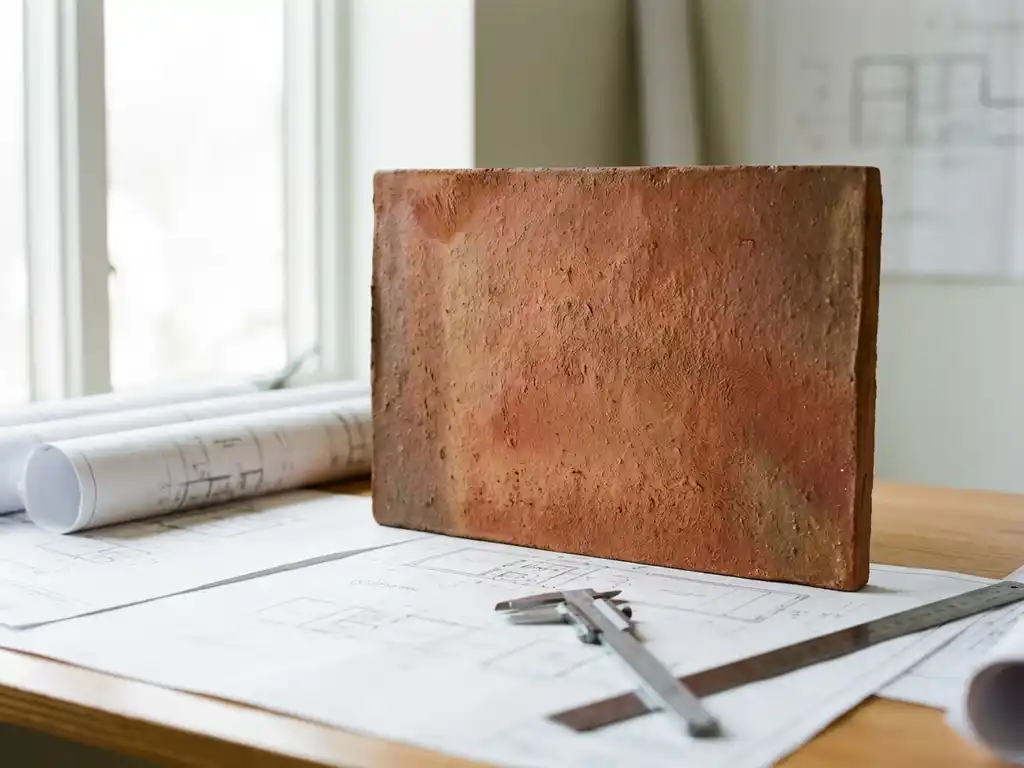
What are BIM objects, and why do terracotta facades need them?
BIM objects are digital representations of building components that contain geometric, material, and performance data for use in building information modeling software. For terracotta facades, BIM objects enable architects and engineers to accurately model ceramic cladding systems with precise dimensions, material properties, and installation details during the design phase.
Terracotta facades require specialized BIM objects because ceramic cladding systems have unique characteristics that generic wall components cannot represent. These facades feature specific mounting systems, joint details, and thermal performance properties that must be accurately modeled for proper building analysis. Without dedicated BIM objects, designers cannot perform accurate energy simulations, structural calculations, or generate precise construction documentation for ceramic facade installations.
What Revit families are available for ceramic facade systems?
Revit families for ceramic facade systems typically include curtain wall panels, wall-hosted families, and adaptive component families that represent terracotta tiles and mounting systems. These families contain parametric data for tile dimensions, surface textures, color variations, and structural properties specific to ceramic cladding materials.
Most ceramic facade manufacturers provide custom Revit families that include their specific product lines with accurate geometric representations and material properties. These families often feature multiple tile sizes, surface finishes, and mounting configurations within a single parametric family. Generic ceramic facade families are also available through BIM libraries, though they lack manufacturer-specific details and performance data that are crucial for accurate project specification and documentation.
How do you specify terracotta facades in BIM software?
Specifying terracotta facades in BIM software involves loading manufacturer-specific families, configuring material properties, and applying appropriate system types to building surfaces. The process begins by selecting the correct ceramic facade family that matches your project requirements for tile size, surface finish, and mounting system configuration.
The specification process includes several key steps to ensure accurate modeling and documentation:
- Load the appropriate ceramic facade family into your BIM model.
- Configure material properties, including thermal conductivity, fire ratings, and surface weight.
- Set up wall or curtain wall systems that incorporate the ceramic elements.
- Define joint patterns and installation details specific to the ceramic system.
- Apply manufacturer specifications for structural loads and mounting requirements.
Proper specification also requires coordination between architectural and structural models to ensure that substructure requirements accommodate the ceramic facade system’s mounting needs and surface loads. For detailed information about terracotta facade surfaces and formats, manufacturers typically provide comprehensive technical documentation.
What’s the difference between generic and manufacturer-specific BIM objects?
Generic BIM objects provide basic geometric representations and standard material properties for ceramic facades, while manufacturer-specific objects contain precise product data, actual dimensions, and verified performance characteristics from specific ceramic facade producers.
Generic BIM objects serve as placeholders during early design phases but lack the detailed information needed for accurate specification and construction documentation. They typically include standard ceramic material properties and common tile sizes, but cannot represent the unique characteristics of specific product lines or installation systems.
Manufacturer-specific BIM objects offer significant advantages for project accuracy and efficiency. These objects include exact product dimensions, verified thermal and structural properties, specific color and texture options, and detailed mounting system information. They also provide automatic specification generation and ensure compatibility between design intent and actual available products, reducing errors during construction and procurement phases.
How TONALITY® helps with BIM modeling and facade specification
TONALITY® provides comprehensive BIM support for ceramic facade specification through detailed Revit families and technical documentation that streamline the design process. Our BIM objects include precise geometric data for our ceramic elements, accurate material properties, and specific mounting system details that ensure seamless integration into building information models.
Key benefits of TONALITY® BIM resources include:
- Parametric Revit families covering our complete range of tile sizes, from 150 x 300 mm to 400 x 1,600 mm.
- Accurate surface weight data (40 kg/m²) for structural calculations and substructure design.
- Detailed mounting system geometry showing aluminum retaining profiles and interlocking connections.
- Material properties, including A1 fire classification and thermal performance characteristics.
- Multiple surface texture and color options within parametric families.
Ready to streamline your ceramic facade specification process? Contact our technical team to access TONALITY® BIM libraries and receive support for your building information modeling requirements. You can also explore our downloads and samples section for additional technical resources.
Ähnliche Beiträge
- How do you prevent thermal bridging in ventilated terracotta facades?
- How do terracotta facades improve building energy efficiency?
- What maintenance do ceramic facades require?
- 10 Reasons Terracotta Outperforms Aluminum Composite Panels
- What is the difference between glazed and unglazed terracotta for facades?