

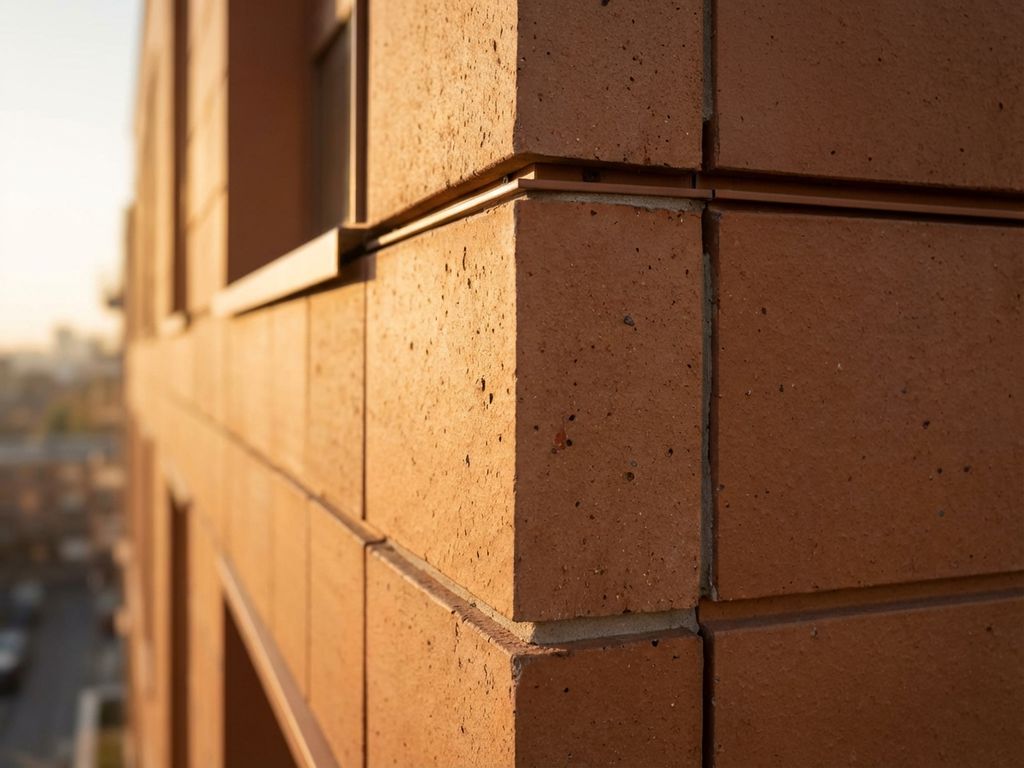
Terracotta facades offer superior durability, environmental sustainability, and design versatility compared with traditional materials such as brick, stone, or metal. This fired ceramic material provides exceptional weather resistance, low maintenance requirements, and excellent thermal performance while maintaining its aesthetic appeal for decades. Understanding these advantages helps architects and builders make informed decisions about facade material selection.
What makes terracotta different from other facade materials?
Terracotta stands apart from other facade materials through its unique ceramic firing process at extremely high temperatures, creating a dense, low-porosity surface that surpasses traditional brick, stone, or composite materials in performance. Unlike standard clay bricks that are fired at lower temperatures, terracotta undergoes sintering at over 1,200 degrees Celsius, resulting in superior density and weather resistance.
The manufacturing process creates fundamental structural advantages that distinguish terracotta facades from alternatives. Metal facades can corrode and require regular maintenance, while composite materials may degrade under UV exposure. Stone facades, though durable, often suffer from porosity issues that lead to water penetration and freeze-thaw damage.
Terracotta’s ceramic composition provides consistent colour throughout the material’s thickness, eliminating the surface-coating vulnerabilities found in painted or anodised alternatives. This inherent colour stability means scratches or minor damage remain virtually invisible, maintaining aesthetic integrity far longer than surface-treated materials.
Why is terracotta more durable than traditional facade options?
Terracotta facades demonstrate exceptional longevity through superior frost resistance and UV stability that outperforms conventional materials over decades of exposure. The high-temperature firing process creates a vitrified surface that resists water absorption, preventing the freeze-thaw cycles that damage traditional brick and stone facades.
Weather-resistance testing shows that terracotta maintains its structural integrity and appearance through extreme temperature variations, heavy rainfall, and intense UV radiation. Unlike timber cladding, which requires regular treatment, or metal facades, which may develop corrosion, terracotta facades remain virtually maintenance-free throughout their service life.
The material’s thermal performance contributes significantly to building energy efficiency. Modern terracotta facade systems offer thermal-mass properties that help regulate interior temperatures, reducing heating and cooling demands compared with lightweight metal or composite facade systems that offer minimal thermal benefits.
How does terracotta compare with brick and stone in terms of cost?
Terracotta facades offer superior total cost of ownership compared with brick and stone through reduced maintenance requirements, longer service life, and lower structural support costs. While initial material investment may vary, the lifecycle value proposition strongly favours terracotta for most applications.
Installation efficiency provides significant cost advantages over traditional masonry. Terracotta facade systems typically install faster than brick or stone, reducing labour costs and construction timelines. The lightweight nature of modern terracotta systems also reduces foundation and structural requirements compared with heavy stone facades.
Long-term maintenance savings represent the most compelling cost advantage. Brick facades often require repointing and weather-seal maintenance, while stone may need cleaning, sealing, or repair work. Terracotta facades largely eliminate these ongoing maintenance expenses, providing decades of near maintenance-free performance that significantly reduces total ownership costs.
What are the environmental benefits of choosing terracotta facades?
Terracotta facades provide exceptional environmental sustainability through complete recyclability, natural material sourcing, and energy-efficient performance that supports green building certification requirements. The ceramic material contains no harmful chemicals or synthetic components, making it environmentally safe throughout its lifecycle.
Manufacturing terracotta utilises abundant natural clay resources, avoiding the environmental impact associated with synthetic composite materials or energy-intensive metal production. The firing process, while energy-intensive initially, creates a product that requires no ongoing chemical treatments or maintenance products that could harm the environment.
End-of-life considerations favour terracotta significantly over alternative materials. The ceramic elements can be completely recycled or crushed for use in other construction applications. Unlike composite materials that may require special disposal methods, terracotta returns safely to natural materials without environmental contamination concerns.
Energy-efficiency contributions help buildings meet sustainability targets through improved thermal performance and reduced heating and cooling demands compared with lightweight facade alternatives.
How difficult is terracotta facade installation compared with other materials?
Modern terracotta facade installation is significantly simpler than traditional masonry and requires less specialised expertise than complex metal curtain wall systems. Contemporary mounting systems allow faster installation with standard construction skills, eliminating the need for specialised masonry craftsmen for brick or stone facades.
Weight considerations provide substantial installation advantages over stone facades. Terracotta’s lower density reduces structural support requirements and allows installation on buildings where heavy stone facades would be impractical. This weight advantage also simplifies handling and positioning during installation.
System integration typically involves straightforward mechanical fixing to supporting structures, avoiding the complex mortar work, weatherproofing, and precision required for traditional masonry. Installation teams can achieve consistent results more quickly than with alternative facade materials that require specialised techniques.
Construction scheduling benefits from terracotta’s largely weather-independent installation capabilities, unlike mortar-based systems that require specific temperature and humidity conditions for proper curing.
How TONALITY® ceramic facades deliver superior performance
TONALITY® ceramic facades exemplify the advantages discussed throughout this comparison, delivering exceptional performance through advanced manufacturing and innovative system design that addresses every key consideration for modern facade selection.
Key performance advantages include:
- Sinter firing process: Temperatures exceeding 1,200°C create unrivalled surface density and weather resistance
- Lightweight design: Only 40 kg per square metre enables flexible installation and reduced structural requirements
- Fire resistance classification: A1 non-combustible rating provides superior safety compared with composite alternatives
- Integrated graffiti protection: Built-in surface properties minimise ongoing maintenance requirements
- Complete recyclability: 100% reusable materials support sustainable construction goals
- Precision manufacturing: Millimetre-accurate sizing ensures consistently precise installation results
The interlocking profile system with aluminium retaining elements simplifies installation while ensuring long-term performance reliability. For detailed information about TONALITY® ceramic facade solutions and technical specifications, contact our technical team to discuss your specific project requirements and explore our successful project implementations.