

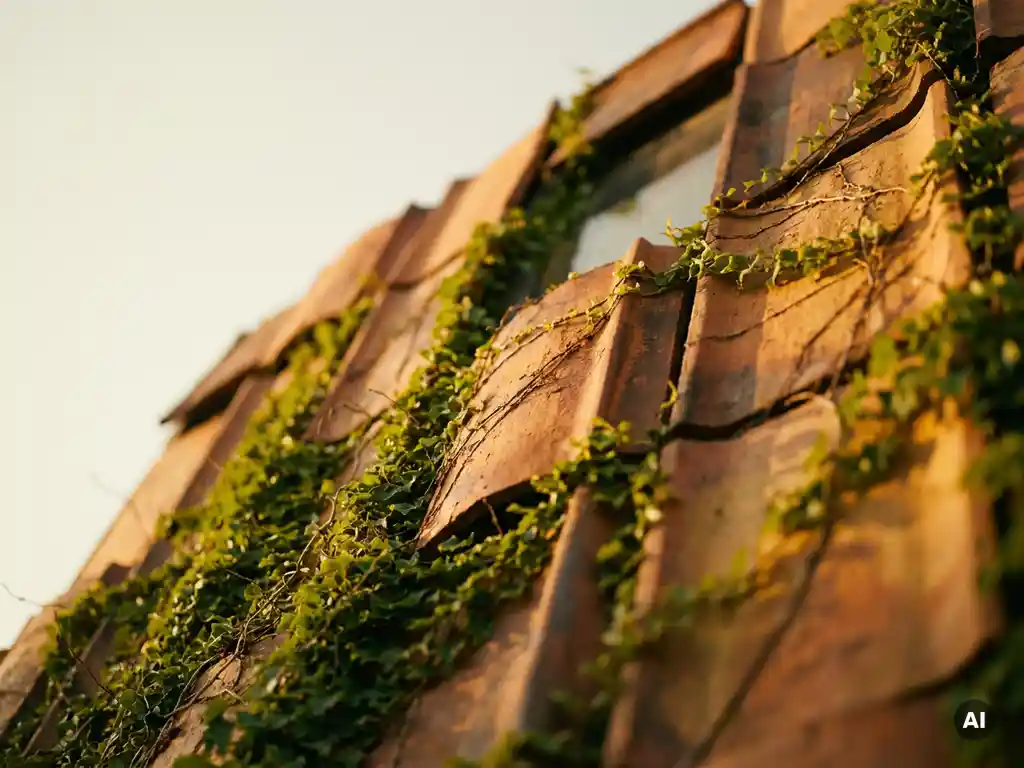
Terracotta facades play a meaningful role in regenerative architecture by offering a building envelope material that is naturally durable, fully recyclable, and produced from one of the earth’s most abundant raw materials. Unlike synthetic cladding systems, ceramic facade materials can be returned to the material cycle at end of life without significant processing loss. The sections below explore the specific ways terracotta supports low-impact, long-lasting, and circular building design.
How do terracotta facades support the circular economy in construction?
Terracotta facades support the circular economy in construction because they are made from natural clay, are 100% recyclable, and can be deconstructed and sorted by component type with minimal effort. This means the material loop can be closed at the end of a building’s service life, with ceramic elements reused or returned to production rather than sent to landfill.
The circular economy in construction depends on materials that retain their value across multiple life cycles. Terracotta meets this requirement in several ways. First, ceramic elements do not degrade chemically over time, meaning they maintain structural and aesthetic integrity for decades. Second, ventilated facade systems that use mechanical fixings rather than adhesive bonding allow individual tiles to be removed, replaced, or recovered without damaging surrounding components. Third, because the material is inorganic and contains no combustible or synthetic additives, it does not contaminate other waste streams during deconstruction.
For architects and developers working toward DGNB, BREEAM, or LEED certification, the recyclability and disassembly potential of ceramic facade elements can contribute directly to materials credits and end-of-life scoring criteria.
What makes ceramic facade materials inherently low-impact?
Ceramic facade materials are inherently low-impact because they are derived from natural clay fired at high temperatures, contain no synthetic binders or coatings, and require no chemical treatments to achieve weather resistance, UV stability, or surface protection. Their durability also means they rarely need replacement, which reduces the cumulative resource demand over a building’s lifetime.
The production process matters here. Terracotta tiles fired through a sinter-firing process at temperatures above 1,200 degrees Celsius develop an exceptionally dense, smooth surface. This density is achieved through the firing itself, not through applied sealants or surface coatings. The result is a facade material that resists moisture absorption, staining, and biological growth without ongoing chemical maintenance.
From a life-cycle perspective, low maintenance translates directly into low environmental impact over time. A facade that does not require repainting, re-sealing, or frequent cleaning has a smaller cumulative footprint than one that demands regular intervention. Combined with permanent color and UV resistance, terracotta delivers a long service life with minimal resource consumption after installation.
How does terracotta perform in timber and low-carbon construction?
Terracotta performs exceptionally well in timber and low-carbon construction because its low surface weight reduces structural load demands, and its non-combustible classification makes it one of the safest facade choices for timber-frame buildings. These properties address two of the most critical challenges in mass timber and hybrid construction.
Single-layer ceramic facade tiles can achieve a surface weight of around 40 kilograms per square meter. For timber construction, where the structural frame has different load-bearing characteristics than concrete or steel, this reduced dead weight allows for lighter substructures and simpler fixing details. The practical result is faster installation and reduced material use in the supporting framework.
On fire safety, terracotta is classified as building material class A1, meaning it is non-combustible and contains no combustible components. For timber buildings, which face stricter fire safety scrutiny in many building codes, a non-combustible facade is not just an advantage but often a regulatory requirement. Using a ceramic cladding system allows designers to specify the warmth and character of exposed timber structure internally while meeting external fire protection requirements with a material that will not contribute to flame spread.
This combination makes terracotta a natural partner for the growing number of low-carbon construction projects that use engineered timber, cross-laminated timber, or hybrid structural systems.
What is the lifespan and maintenance profile of a terracotta facade?
A terracotta facade has a service life measured in decades, with maintenance requirements that are minimal compared to most alternative cladding materials. The dense, sintered surface resists weathering, UV degradation, and biological growth without requiring periodic treatment, making it a genuinely low-maintenance building envelope solution.
The longevity of ceramic facades is rooted in material science. The sinter-firing process creates a surface that is highly resistant to frost cycles, acid rain, and pollution. Unlike painted or coated metal facades, the color of a terracotta facade is integral to the material itself and does not fade or peel over time. This means the facade looks the same in year thirty as it did at installation, without intervention.
Graffiti protection is also built into the surface characteristics of high-quality ceramic tiles, reducing the need for chemical cleaning agents or specialist maintenance contractors in urban environments. When individual tiles do need replacement due to accidental damage, the mechanical fixing systems used in ventilated terracotta facade systems allow single elements to be swapped out without disturbing the surrounding cladding.
From a total cost of ownership perspective, the combination of long lifespan and low maintenance input makes terracotta a strong performer over the full building life cycle, particularly when compared to materials that require recoating, repainting, or replacement on shorter cycles.
How does terracotta compare to other sustainable facade materials?
Compared to other sustainable facade materials such as fiber cement, recycled aluminum, or timber cladding, terracotta offers a unique combination of natural origin, non-combustibility, zero-maintenance coatings, and full recyclability. No single alternative matches all four of these characteristics simultaneously.
Terracotta versus fiber cement
Fiber cement is widely used as a low-maintenance facade material, but it typically contains synthetic binders and requires surface coating to achieve color and weather resistance. Those coatings need periodic renewal. Terracotta achieves weather resistance and color permanence through the firing process itself, without applied coatings that degrade over time.
Terracotta versus timber cladding
Timber cladding has strong sustainability credentials as a renewable material, but it requires regular maintenance, including oiling, staining, or painting, to prevent degradation. It is also combustible, which limits its use on taller buildings or those with strict fire safety requirements. Terracotta requires no surface maintenance and is classified as non-combustible, giving it a clear advantage in fire-regulated contexts.
Terracotta versus recycled aluminum
Recycled aluminum facade panels have a high recycled content and are fully recyclable, but their production remains energy-intensive even when using secondary material. Terracotta is produced from natural clay with a relatively straightforward firing process and, critically, the material itself is a natural mineral rather than a processed metal. For projects prioritizing natural materials and biophilic design, terracotta offers an aesthetic and material authenticity that aluminum cannot replicate.
How TONALITY® supports regenerative architecture
TONALITY® ceramic facade systems are designed from the ground up to meet the demands of regenerative and sustainable building design. Produced in Weroth in the Westerwald region using some of Europe’s highest-quality clay deposits, every element is engineered to deliver long-term performance with minimal environmental impact. Here is what TONALITY® brings to the table:
- Full recyclability: TONALITY® facade tiles are 100% recyclable and can be deconstructed and sorted by component type, supporting closed-loop material cycles.
- Non-combustible classification: All ceramic elements are classified as building material class A1, making them suitable for timber construction and fire-regulated projects.
- Low surface weight: At around 40 kg per square meter, TONALITY® tiles reduce substructure requirements and are ideal for lightweight and timber-frame buildings.
- Maintenance-free performance: Integrated graffiti protection, permanent UV resistance, and a dense sintered surface mean no coatings, no repainting, and no chemical treatments over the building’s lifetime.
- Design flexibility: Formats range from 150 x 300 mm to 400 x 1,600 mm, with a wide range of surfaces and colors to meet any architectural brief.
- Simple installation: The interlocking aluminum retaining profile system makes installation straightforward and supports future disassembly for reuse or recycling.
[cta_contact_form]
Whether you are specifying a mass timber residential building, a low-carbon commercial project, or a facade refurbishment with sustainability targets, TONALITY® provides a ceramic facade solution that performs across every dimension of regenerative design. Speak to the TONALITY® team to discuss your project requirements and find the right system for your building.