

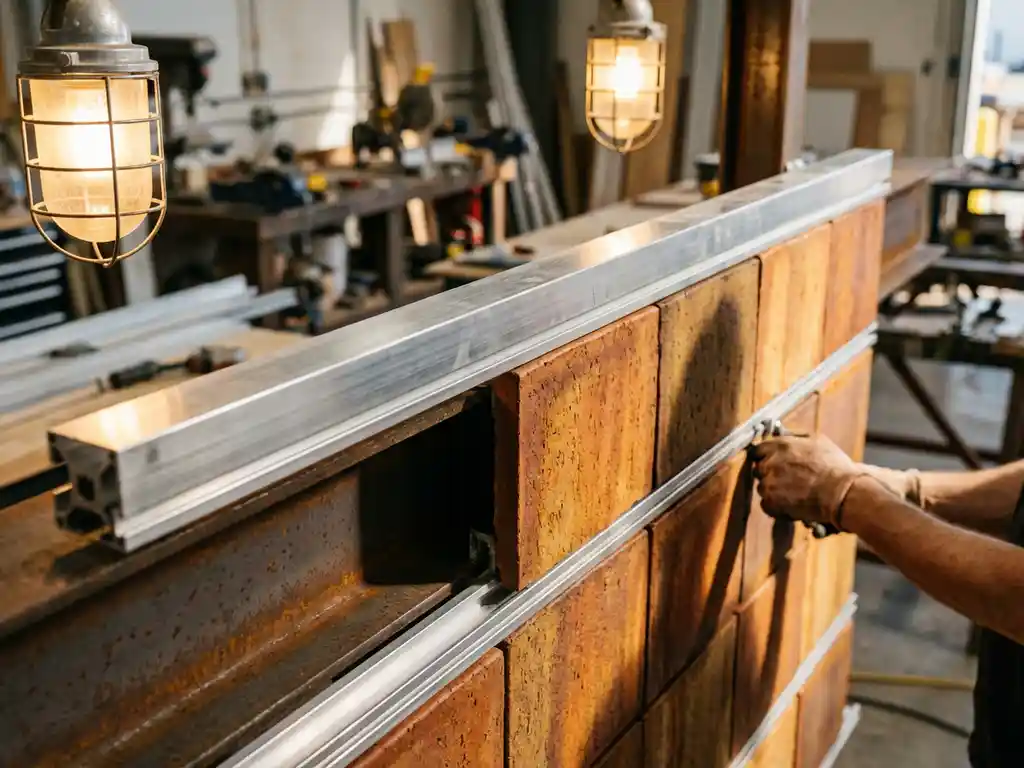
When choosing between aluminum and steel substructures for terracotta facades, aluminum offers lightweight properties with superior corrosion resistance, while steel provides greater load-bearing capacity at a higher weight. Both materials work effectively with ceramic facade systems, but their installation methods, maintenance requirements, and lifecycle costs differ significantly. Understanding these differences helps architects and contractors select the optimal support system for each project.
What are the key structural differences between aluminum and steel substructures for terracotta?
Aluminum substructure terracotta systems weigh approximately 60% less than steel equivalents while maintaining sufficient structural integrity for ceramic facade installation. Steel substructures offer superior load-bearing capacity and can support heavier terracotta panels across larger spans without additional reinforcement.
The thermal expansion characteristics create distinct performance differences between these materials. Aluminum expands roughly twice as much as steel when exposed to temperature variations, requiring specific accommodation in facade design. Steel’s lower thermal expansion coefficient provides more stable dimensional behavior, particularly beneficial for large-scale ceramic facade installations where precision alignment matters.
Structural flexibility varies considerably between the materials. Aluminum’s natural flexibility allows for slight building-movement accommodation, making it suitable for timber construction and areas with seismic activity. Steel’s rigidity provides excellent stability for heavyweight terracotta mounting systems but requires careful engineering to prevent stress concentration points.
Load distribution capabilities differ substantially. Steel can handle concentrated loads more effectively, allowing for creative terracotta panel arrangements and architectural features. Aluminum requires more distributed loading patterns but compensates with reduced dead weight affecting the overall building structure.
How do installation methods differ between aluminum and steel terracotta support systems?
Aluminum facade support materials require specialized cutting tools and joining techniques, while steel systems use conventional welding and mechanical fastening methods. Installation complexity varies significantly between the two approaches, affecting project timelines and labor requirements.
Connection methods for aluminum systems typically involve mechanical fasteners, adhesive bonding, or specialized aluminum welding. These techniques require trained installers familiar with aluminum’s properties to prevent galvanic corrosion when connecting to other metals. Steel systems utilize traditional welding, bolting, and riveting methods familiar to most construction teams.
Tool requirements differ substantially. Aluminum installation demands non-ferrous cutting tools, specialized drill bits, and corrosion-resistant fasteners. Steel systems work with standard construction tools, reducing equipment costs and installer training requirements.
Installation timing considerations affect project scheduling. Aluminum’s lightweight nature allows faster handling and positioning, potentially reducing installation time. However, the precision required for aluminum connections may offset time savings. Steel systems require lifting equipment for heavier components but offer more forgiving installation tolerances.
Integration with building types varies between materials. Aluminum systems integrate seamlessly with modern lightweight construction methods, particularly suitable for timber and steel-frame buildings. Steel substructures work well with traditional masonry and concrete construction, where additional weight poses fewer concerns.
What are the long-term maintenance requirements for aluminum versus steel facade structures?
Aluminum terracotta facade support systems require minimal maintenance due to natural oxide-layer formation that prevents corrosion. Steel substructures need regular protective-coating maintenance and corrosion monitoring to ensure long-term performance.
Corrosion resistance represents the most significant maintenance difference. Aluminum naturally forms a protective oxide layer that self-renews when damaged, providing inherent corrosion protection. Steel requires ongoing protective coatings, regular inspection, and potential recoating every 15–25 years depending on environmental exposure.
Inspection schedules vary between materials. Aluminum systems typically require basic visual inspections every 3–5 years, focusing on fastener condition and connection integrity. Steel substructures need more frequent, detailed inspections, particularly in coastal or industrial environments where corrosion accelerates.
Weathering patterns affect maintenance planning. Aluminum develops a stable patina that protects the underlying material while maintaining structural integrity. Steel weathering can compromise structural capacity if protective systems fail, requiring immediate remedial action.
Lifespan expectations influence maintenance planning. Well-maintained aluminum systems can perform effectively for 50+ years with minimal intervention. Steel systems achieve similar lifespans but require more intensive maintenance investment throughout their service life.
Which substructure material offers better cost-effectiveness for terracotta facades?
Aluminum vs. steel facades comparisons show that aluminum typically requires a higher initial investment but delivers superior long-term value through reduced maintenance and extended service life. Steel offers lower upfront material costs but accumulates higher maintenance expenses over time.
Initial material investment varies significantly between options. Steel substructures generally cost less at purchase, making them attractive for budget-conscious projects. Aluminum commands premium pricing but includes inherent protective properties that eliminate ongoing coating requirements.
Installation expenses differ based on complexity and labor requirements. Aluminum’s lightweight properties reduce crane time and labor costs during installation. Steel systems may require more intensive lifting equipment but use familiar installation techniques that reduce specialist labor needs.
Lifecycle value analysis reveals aluminum’s long-term advantages. Reduced maintenance requirements, extended service life, and superior corrosion resistance contribute to lower total ownership costs. Steel systems require ongoing protective-coating maintenance that accumulates substantial expenses over decades.
Project-type considerations influence cost-effectiveness. Lightweight facade structures benefit from aluminum’s weight reduction, potentially allowing lighter building frames that reduce overall construction costs. Heavy-duty applications may favor steel’s superior load capacity despite higher maintenance requirements.
How TONALITY® helps with terracotta substructure selection
TONALITY® ceramic facade systems work exceptionally well with both aluminum and steel substructures through innovative lightweight design and specialized mounting profiles. The low surface weight of approximately 40 kilograms per square metre significantly reduces structural demands on either substructure material.
The interlocking vertical aluminum retaining profiles create simple installation processes regardless of the underlying support structure. This design flexibility allows architects to select the optimal substructure material based on project requirements rather than ceramic system limitations, as demonstrated in our extensive project portfolio.
Key advantages of TONALITY® systems include:
- Reduced substructure requirements due to lightweight ceramic elements
- Flexible mounting system compatible with aluminum and steel supports
- Simplified installation process, reducing labor time and complexity
- A1 fire classification providing excellent safety performance
- Integrated design features that accommodate thermal movement
- Complete recyclability supporting sustainable construction goals
The precision manufacturing tolerance within one millimetre ensures consistent performance with both substructure types. This accuracy reduces installation complications and ensures long-term facade integrity regardless of support material selection. Our comprehensive range of surfaces and formats provides architects with maximum design flexibility while maintaining structural compatibility.
For expert guidance on selecting the optimal substructure solution for your terracotta facade project, contact TONALITY® for comprehensive technical consultation and system-specification support.
Ähnliche Beiträge
- When should you consider sustainable building material alternatives?
- How long does architectural design typically take?
- 8 Questions to Ask Before Specifying Terracotta Facades
- What is the difference between ceramic facades and traditional cladding?
- How to Develop Custom Terracotta Colors and Glazes with Manufacturers