

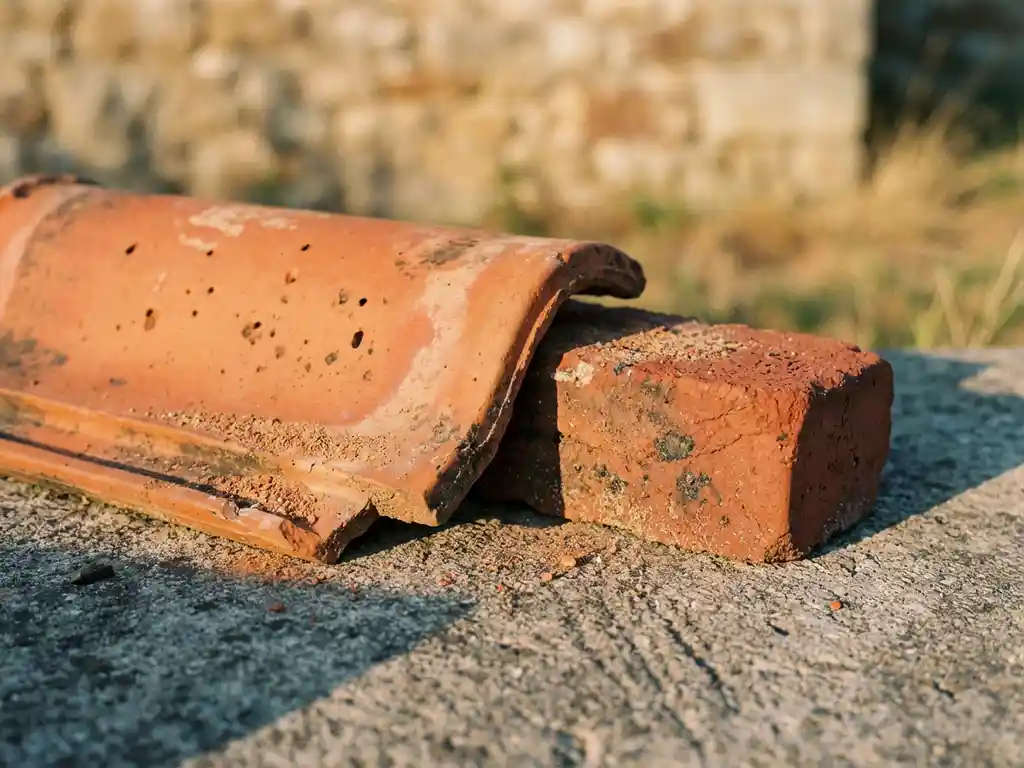
What’s the difference between terracotta and brick slips?
Terracotta and brick slips differ primarily in their manufacturing processes, density, and performance characteristics. Terracotta is fired at higher temperatures (typically above 1,200°C), creating a denser, more uniform material, while brick slips are cut from traditional bricks fired at lower temperatures, resulting in a more porous structure.
These manufacturing distinctions create significant performance differences between these clay-based cladding options. Terracotta undergoes a specialized sinter-firing process that produces extremely smooth, dense surfaces with superior weather resistance. This process reduces the natural variations found in traditional brick materials, ensuring consistent color and texture across large façade installations.
Brick slips maintain the authentic appearance of traditional masonry but inherit the porosity and potential color variation of conventional bricks. While this creates character and visual interest, it also means greater susceptibility to moisture absorption and potential weathering over time. The choice between these ceramic façade tiles often depends on whether you prioritize consistent performance or a traditional aesthetic.
Which is more durable: terracotta or brick slips?
Terracotta cladding typically offers superior durability due to its high-temperature firing process and denser composition. Sinter firing creates a virtually non-porous surface that resists moisture penetration, freeze-thaw cycles, and chemical weathering more effectively than traditional brick slips.
The durability advantages of terracotta extend beyond basic weather resistance. Modern terracotta systems often incorporate integrated graffiti protection and permanent UV resistance, maintaining their appearance without regular maintenance. The dense surface structure also inhibits the growth of algae and moss that can affect more porous materials over time.
Brick slips, while durable in their own right, require more careful consideration of environmental factors. Their higher porosity means they’re more susceptible to water damage in freeze-thaw climates and may require periodic sealing or maintenance to preserve their appearance. However, quality brick slips can still provide decades of service when properly specified and installed in suitable applications.
How much do terracotta and brick slips cost to install?
The total cost of ownership for terracotta versus brick slips depends largely on long-term maintenance requirements and lifecycle performance rather than initial material costs. Terracotta systems typically offer better value over a building’s lifespan due to reduced maintenance needs and superior durability.
When evaluating clay cladding options, consider the total investment beyond initial installation. Terracotta’s maintenance-free performance and permanent color stability can eliminate ongoing costs for cleaning, sealing, and replacement that brick slips may require over time. The lightweight nature of modern ceramic systems can also reduce substructure requirements, potentially offsetting material cost differences through simplified installation.
Installation complexity varies between systems, with some modern terracotta solutions offering simplified mounting systems that reduce labor time. The precision manufacturing of ceramic façade tiles allows for faster, more predictable installation schedules compared with the traditional masonry techniques often required for brick slip systems.
What are the installation differences between terracotta and brick slips?
Terracotta installation typically uses mechanical fixing systems with aluminum profiles or brackets, while brick slips often require adhesive bonding or mechanical fixing to substrate backing boards. Modern terracotta systems feature interlocking profiles that simplify alignment and reduce installation time compared with placing individual brick slips.
The installation approach affects both speed and long-term performance. Terracotta panels with back-profiled systems create efficient workflows in which large areas can be covered quickly with consistent results. These systems often incorporate ventilated cavities that improve thermal performance and moisture management.
Brick slip installation requires closer attention to individual unit placement and joint consistency. While this allows for traditional masonry aesthetics, it typically requires specialized trades familiar with both modern substrate systems and traditional pointing techniques. The installation sequence must also account for weather protection during the bonding process, which can extend project timelines.
Which clay cladding works better for different building types?
Terracotta excels in high-performance applications such as commercial buildings, healthcare facilities, and modern residential projects where maintenance-free operation and a consistent appearance are priorities. Its lightweight properties make it particularly suitable for timber construction and renovation projects with limited structural capacity.
Building-type considerations extend beyond aesthetic preferences to functional requirements. Terracotta’s A1 fire classification and non-combustible properties make it ideal for buildings with strict fire-safety requirements. The material’s 100% recyclability also supports sustainable building certifications that are increasingly required in commercial and institutional projects.
Brick slips work well in heritage contexts, residential applications, and projects where a traditional masonry appearance is desired. They’re particularly effective in renovation projects where matching existing brick characteristics is important, or in residential developments where the authentic texture and variation of traditional materials enhance the design concept. The choice often depends on whether the project prioritizes performance optimization or aesthetic authenticity.
How TONALITY® Ceramic Facades Optimize Clay Cladding Performance
TONALITY® ceramic façade systems combine the best aspects of traditional clay materials with advanced manufacturing technology to deliver superior performance across all building types. Our ceramic elements undergo specialized sinter firing at temperatures exceeding 1,200°C, creating unrivaled smooth, dense surfaces that ensure a consistently high-quality appearance and long-lasting, maintenance-free performance.
Key advantages of TONALITY® ceramic façade systems include:
- Lightweight construction at only 40 kg/m², reducing substructure requirements
- Simple installation with back-profiled elements that interlock with aluminum retaining profiles
- A1 fire classification for non-combustible performance
- Integrated graffiti protection and permanent UV resistance
- 100% recyclable materials supporting sustainable construction
- Precision manufacturing within a one-millimeter tolerance
Whether you’re specifying for commercial, residential, or institutional projects, TONALITY® ceramic façades provide the performance reliability and design flexibility that modern construction demands. Our proven track record demonstrates successful implementations across diverse building types and challenging environments. Contact our technical team to discuss how our ceramic façade solutions can optimize your next project’s performance and aesthetic goals.