

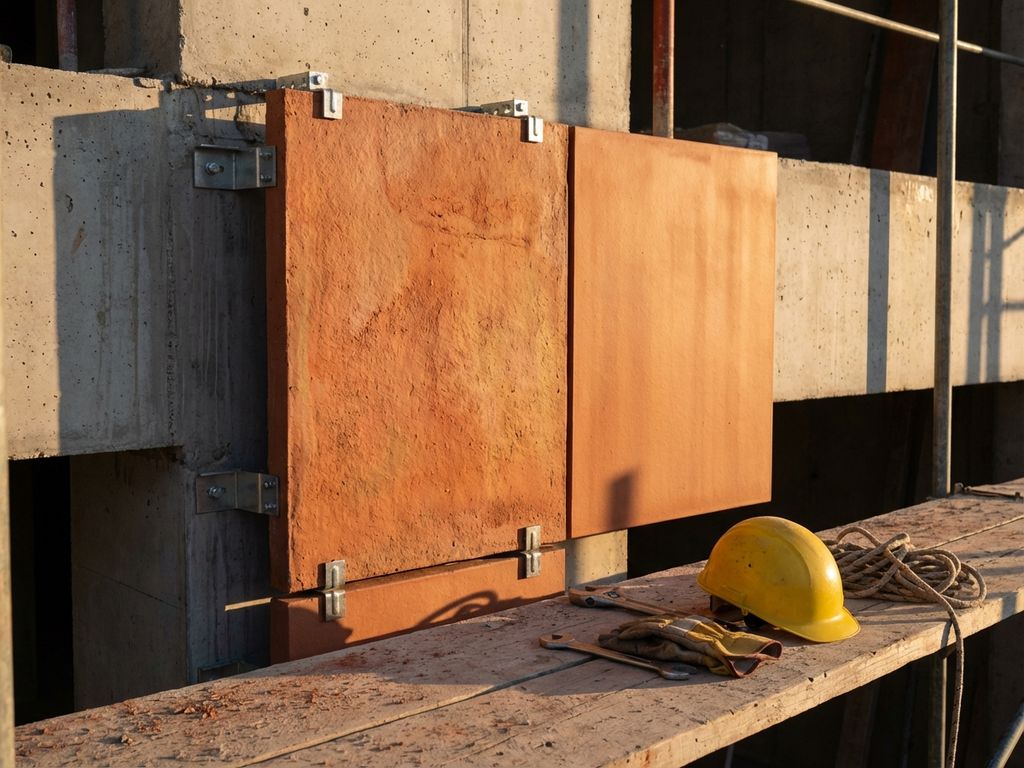
ADS (Anchor and Dowel System) and BAS (Back Anchor System) are two primary mounting methods for terracotta facades. ADS uses visible anchors and dowels attached through the face of ceramic panels, while BAS employs hidden anchors secured to the rear of panels. Each system offers distinct advantages in installation, structural performance, and aesthetic outcomes for ceramic cladding projects.
What are ADS and BAS terracotta systems?
ADS (Anchor and Dowel System) features mechanical fixings that penetrate through the face of terracotta panels, creating visible attachment points. BAS (Back Anchor System) uses concealed fixings attached to the rear of panels, maintaining uninterrupted facade surfaces.
The ADS approach relies on precisely drilled holes through ceramic panels, where anchors and dowels secure the cladding to the structural framework. This method distributes loads directly through the panel face and requires careful waterproofing around each penetration point. ADS systems often incorporate gaskets and sealants to prevent water ingress at fixing locations.
BAS systems utilise specialised brackets or clips attached to the back surface of terracotta panels. These hidden fixings engage with support rails or frames without compromising the visible facade surface. The system transfers loads through the panel edges or rear mounting points, preserving the aesthetic integrity of the ceramic surface.
Both systems accommodate thermal movement through designed tolerances and flexible connections. The choice between ADS and BAS often depends on panel size, building height, structural requirements, and the desired visual appearance.
How do the installation methods differ between ADS and BAS systems?
ADS installation involves drilling precise holes through ceramic panels and securing visible anchors with weatherproof sealing. BAS installation requires mounting hidden brackets to panel backs and engaging them with pre-installed support systems without face drilling.
The ADS installation process begins with accurate marking and drilling of fixing holes through the terracotta panels. Specialised diamond-tipped drill bits prevent cracking during penetration. Each anchor point requires careful alignment with the structural framework, followed by insertion of mechanical fixings and application of weatherproof sealants.
BAS installation starts with attaching concealed brackets or clips to the rear of panels before lifting them into position. The support framework must be precisely aligned to receive these hidden fixings. Panels slide or clip into place without requiring access to the face surface during final positioning.
Installation time varies significantly between systems. ADS requires additional steps for drilling, sealing, and weatherproofing each visible fixing point. BAS systems often allow faster installation once the support framework is correctly positioned, as panels can be mounted without face-side access requirements.
Both methods demand skilled installers familiar with ceramic handling and structural connections. ADS requires expertise in waterproofing techniques, while BAS demands precision in support frame alignment and hidden connection systems.
Which terracotta system offers better structural performance?
Both ADS and BAS systems provide excellent structural performance when properly designed and installed. ADS offers direct load transfer through panel faces, while BAS distributes forces through panel edges or rear mounting points, each suitable for different building requirements and environmental conditions.
ADS systems excel in high-wind environments, where direct load transfer through multiple fixing points provides robust attachment. The mechanical connections create positive retention that resists uplift forces effectively. However, each penetration represents a potential weak point requiring ongoing maintenance attention.
BAS systems demonstrate superior performance in seismic conditions where building movement occurs. The hidden connections often incorporate designed flexibility that accommodates structural movement without compromising the ceramic panels. This system reduces stress concentrations that might develop around visible fixing points.
Load-bearing capabilities depend more on fixing design and structural support than on the mounting method itself. Both systems can handle identical wind loads and building movements when engineered appropriately. The key difference lies in how forces transfer from the ceramic panels to the building structure.
Long-term structural integrity often favours BAS systems due to reduced weathering exposure of critical connections. ADS systems require regular inspection and maintenance of visible fixings and their weatherproof seals to maintain structural performance over building lifespans.
What are the cost differences between ADS and BAS terracotta systems?
BAS systems typically involve higher initial material costs due to specialised hidden fixings and precision support frameworks. ADS systems often require lower upfront investment but may incur greater long-term maintenance expenses due to exposed fixing points requiring regular attention and potential replacement.
The lifecycle cost analysis reveals important differences between these systems. ADS installations save on initial hardware costs but require ongoing maintenance of weatherproof seals around visible fixings. These seals need periodic inspection and renewal to prevent water ingress and maintain structural integrity.
BAS systems demand investment in sophisticated support frameworks and precision manufacturing of hidden connection components. However, the concealed nature of critical fixings reduces maintenance requirements significantly. The uninterrupted facade surface eliminates weathering concerns at connection points.
Installation labour costs vary based on project complexity and installer expertise. ADS systems require additional time for drilling, sealing, and weatherproofing operations. BAS installations may proceed more rapidly once support systems are correctly positioned, potentially offsetting higher material costs.
Total ownership costs often favour BAS systems over extended building lifespans. The reduced maintenance requirements and superior weather protection of hidden fixings typically provide better long-term value despite higher initial investment requirements.
How does TONALITY® help with terracotta facade system selection?
TONALITY® offers an innovative interlocking aluminium profile system that addresses common challenges in both ADS and BAS applications. Their lightweight ceramic elements with profiled backs create secure connections without visible fixings or complex hidden brackets, combining the benefits of both traditional systems.
The TONALITY® approach provides several key advantages:
- Simplified installation through interlocking profiles that eliminate drilling and complex bracket systems
- Lightweight design at only 40 kilograms per square metre, reducing structural load requirements
- Hidden connection system maintaining clean facade aesthetics without visible fixings
- Integrated thermal movement accommodation through designed profile tolerances
- Superior fire protection with A1-classified non-combustible ceramic elements
- Complete recyclability and deconstructible design for sustainable building practices
Their ceramic elements feature integrated graffiti protection and permanent colour stability, eliminating common maintenance concerns associated with traditional fixing systems. The single-layer production process ensures consistent quality and dimensional accuracy within one-millimetre tolerances.
For architects and specifiers seeking reliable terracotta facade solutions, TONALITY® provides comprehensive technical support throughout the design and installation process. Contact their team to explore how their innovative ceramic facade system can meet your specific project requirements while delivering long-term performance and aesthetic excellence.
Ähnliche Beiträge
- How do ADS terracotta systems function?
- How long does custom terracotta manufacturing take?
- 10 Award-Winning Terracotta Facade Projects Every Architect Should See
- How do perforated terracotta screens balance light, privacy, and ventilation?
- 6 Common Terracotta Specification Mistakes (And How to Avoid Them)