

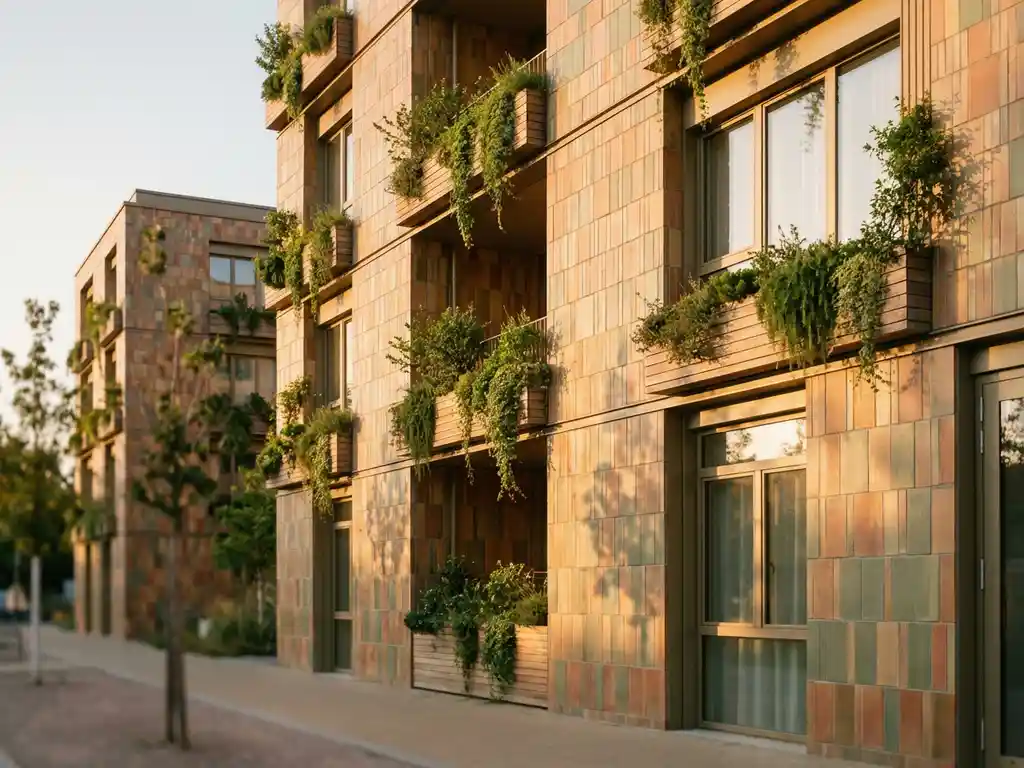
Sustainable architectural design has become a defining force in modern construction, transforming how we approach building performance, material selection, and long-term environmental impact. As we move through 2026, the convergence of stricter environmental regulations, advancing green technologies, and growing awareness of climate challenges has made sustainable design not just an option, but an essential practice for architects and developers worldwide.
The shift toward sustainable architectural design reflects a fundamental change in how the construction industry views its responsibility to future generations. Today’s architects must balance aesthetic vision with environmental stewardship, creating structures that perform efficiently while minimizing their ecological footprint throughout their entire life cycle.
What is sustainable architectural design, and why does it matter in 2026?
Sustainable architectural design is an approach that minimizes environmental impact through energy-efficient systems, eco-friendly materials, and resource conservation strategies while creating healthy, durable buildings. This design philosophy integrates environmental considerations into every aspect of the building process, from initial planning through construction and eventual decommissioning.
In 2026, sustainable design matters more than ever due to accelerating climate change and increasingly stringent environmental regulations across Europe and around the world. The construction industry accounts for nearly 40% of global carbon emissions, making sustainable architectural practices crucial to meeting international climate targets. Modern sustainable design encompasses passive energy strategies, renewable energy integration, water conservation systems, and the selection of materials with low embodied carbon.
The importance of sustainable design extends beyond environmental benefits. Buildings designed with sustainability principles typically offer superior indoor air quality, optimized natural lighting, and thermal comfort, directly affecting occupant health and productivity. These structures also demonstrate resilience against extreme weather events, ensuring long-term functionality in an era of climate uncertainty.
How does sustainable architecture impact building performance and costs?
Sustainable architecture significantly improves building performance by reducing energy consumption by 20–50% compared to conventional buildings while providing enhanced thermal comfort, air quality, and durability. These performance improvements stem from integrated design approaches that optimize building orientation, envelope efficiency, and mechanical systems.
Energy performance represents the most measurable impact of sustainable design. Buildings incorporating passive solar strategies, high-performance insulation, and efficient HVAC systems consistently outperform conventional structures. Advanced building-envelope technologies, including thermally broken façades and high-performance glazing, minimize heat transfer and reduce the load on mechanical systems.
From a life-cycle cost perspective, sustainable buildings demonstrate superior long-term value through reduced operating expenses and maintenance requirements. While initial construction investments may be higher, the total cost of ownership typically favors sustainable design through lower utility bills, reduced maintenance needs, and an extended building lifespan. Insurance benefits and potential tax incentives further enhance the economic advantages of sustainable construction.
What are the most important sustainable building materials in 2026?
The most important sustainable building materials in 2026 include recycled steel, cross-laminated timber, low-carbon concrete alternatives, and high-performance ceramic façade systems that offer durability, recyclability, and minimal environmental impact throughout their life cycle. These materials are selected based on their embodied carbon, durability, and end-of-life recyclability.
Recycled and bio-based materials have gained prominence as the industry seeks to reduce embodied carbon. Cross-laminated timber from sustainably managed forests provides structural strength while sequestering carbon. Innovative concrete alternatives incorporating recycled aggregates and industrial by-products significantly reduce the carbon footprint of structural elements.
High-performance façade materials play a crucial role in sustainable design by providing thermal efficiency and longevity. Advanced ceramic façade systems offer exceptional durability, weather resistance, and complete recyclability. These materials maintain their performance characteristics over decades, reducing replacement cycles and associated environmental impacts. The selection of sustainable materials increasingly considers not just their environmental credentials, but also their contribution to overall building performance and occupant well-being.
How do sustainable façade systems contribute to green building goals?
Sustainable façade systems contribute to green building goals by providing superior thermal performance, reducing energy consumption, and offering complete recyclability while maintaining aesthetic appeal and structural integrity for decades. These systems serve as the primary interface between interior and exterior environments, making their performance critical to overall building efficiency.
Thermal performance represents the most significant contribution of sustainable façades to green building objectives. Advanced façade systems incorporate continuous insulation, thermal breaks, and optimized glazing ratios to minimize heat transfer. This thermal control reduces heating and cooling loads, directly supporting energy-efficiency targets required by green building certification programs.
The longevity and recyclability of façade materials align with circular-economy principles central to sustainable construction. High-performance ceramic façade systems exemplify this approach, offering maintenance-free performance for decades while remaining completely recyclable at the end of their service life. These systems also provide natural fire resistance and weather protection, contributing to building resilience and occupant safety.
What regulatory requirements drive sustainable design adoption in 2026?
Regulatory requirements driving sustainable design adoption in 2026 include the EU’s Energy Performance of Buildings Directive, national carbon-reduction mandates, and local green building standards that establish minimum efficiency requirements and carbon limits for new construction and major renovations. These regulations create legal frameworks that make sustainable design practices mandatory rather than optional.
The European Union’s updated building regulations require near-zero-energy buildings for all new construction, with specific requirements for renewable energy integration and building-envelope performance. National governments have implemented complementary regulations addressing embodied carbon, material sourcing, and life-cycle assessments. These requirements are supported by mandatory energy modeling and post-occupancy performance verification.
Local building codes increasingly incorporate green building standards, requiring compliance with certification programs or equivalent performance metrics. Fire-safety regulations also influence sustainable design choices, favoring non-combustible materials and systems that contribute to both environmental and safety objectives. The regulatory landscape continues to evolve toward more stringent requirements, making early adoption of sustainable practices a strategic advantage for architects and developers.
How TONALITY® Supports Sustainable Architectural Design
TONALITY® ceramic façade systems provide architects with a comprehensive solution for achieving sustainable design objectives through advanced material technology and performance characteristics. Our ceramic elements contribute to green building goals through several key features:
- Complete recyclability, supporting circular-economy principles and waste-reduction targets
- A1 fire classification, providing non-combustible performance for enhanced building safety
- Maintenance-free durability, eliminating ongoing chemical treatments and reducing life-cycle environmental impact
- Low surface weight, enabling lighter substructures and reduced material consumption
- Precision manufacturing, minimizing waste during installation and ensuring optimal thermal performance
Our ceramic façade systems are produced using sustainable manufacturing processes in Germany’s Westerwald region, utilizing high-quality local clay deposits and energy-efficient firing techniques. The single-layer production process and interlocking installation system reduce construction complexity while ensuring long-term performance. You can explore our successful project implementations to see how sustainable design principles have been applied in real-world applications. Contact our technical team to explore how TONALITY® ceramic façades can support your next sustainable design project and contribute to your green building certification goals.
Ähnliche Artikel
- What are the benefits of lightweight facade systems?
- 15 Award-Winning Terracotta Facade Projects Every Architect Should Study
- How does terracotta contribute to BREEAM certification in European projects?
- How do you match new terracotta to historic building facades?
- How to mount terracotta cladding on concrete walls?