

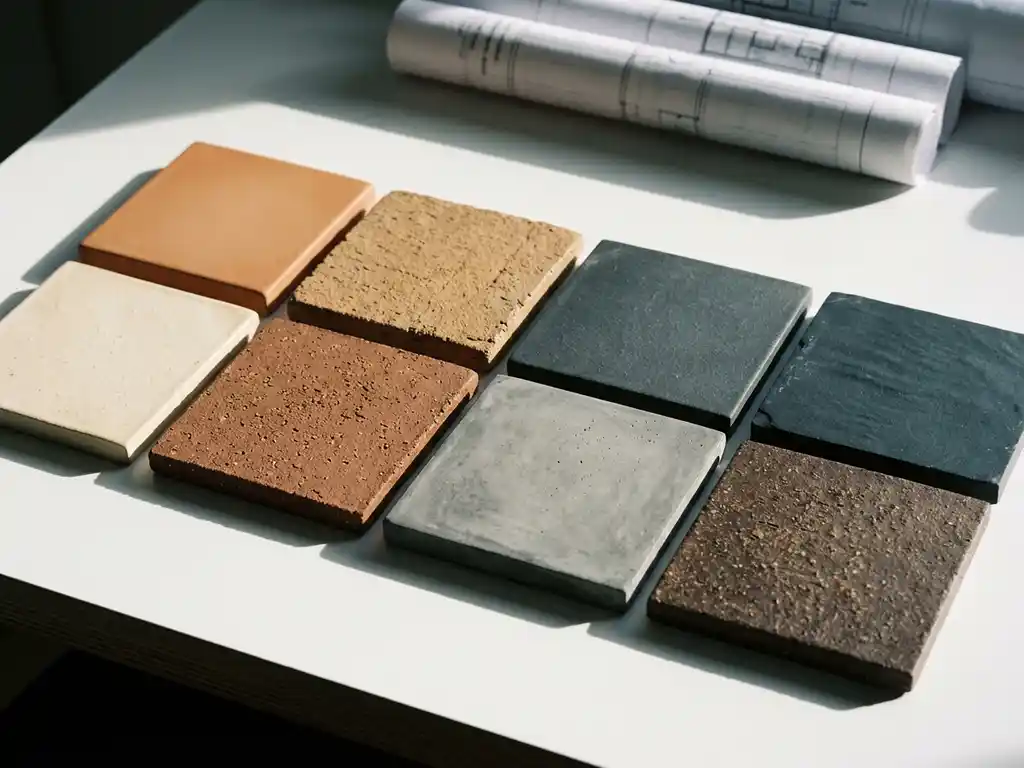
Selecting the right facade materials for your building project shouldn’t feel like navigating a maze of conflicting information and marketing claims. Yet many architects and building professionals find themselves overwhelmed by the sheer number of options available, from traditional brick and natural stone to modern ceramic facades and composite materials.
The challenge isn’t just about choosing between different exterior cladding materials. It’s about creating a systematic approach that evaluates each option against your specific project requirements, climate conditions, and long-term performance expectations. A well-structured facade material comparison framework helps eliminate guesswork and ensures your building facade selection delivers both immediate and lasting value.
This guide provides a comprehensive building material matrix that covers eight leading facade materials, along with practical tools for making informed decisions that stand the test of time.
Why traditional facade material selection fails modern buildings
Many building projects encounter costly problems because the initial material selection process overlooks critical factors that only become apparent years later. The most common mistake involves focusing exclusively on upfront costs while ignoring long-term performance implications.
Traditional selection methods often fail to account for climate-specific challenges. A facade system that performs brilliantly in moderate conditions might struggle with extreme temperature fluctuations, heavy rainfall, or intense UV exposure. This oversight leads to premature weathering, colour fading, and structural issues that require expensive remediation.
Another frequent pitfall involves underestimating maintenance requirements. Materials that appear economical initially can become financial burdens when they require regular cleaning, sealing, or component replacement. The lack of systematic evaluation against fire safety standards, thermal performance, and environmental impact further compounds these selection errors.
These oversights result in buildings that underperform, require costly renovations within the first decade, or fail to meet evolving sustainability requirements. A structured approach to facade system selection prevents these expensive mistakes.
The 8 critical factors every facade material matrix must include
Effective facade materials evaluation requires a comprehensive framework that weighs multiple performance criteria. The most successful building material matrix incorporates these essential factors:
Thermal performance and energy efficiency determine how well the facade contributes to building insulation and temperature regulation. This includes thermal bridging characteristics and compatibility with insulation systems.
Durability and lifespan projections help calculate long-term value. Consider resistance to weathering, UV degradation, thermal cycling, and mechanical stress over decades of service.
Fire safety ratings have become increasingly critical following recent building regulations. Materials must meet specific classifications, with non-combustible options often preferred for high-rise applications.
Environmental impact encompasses manufacturing processes, transportation requirements, and end-of-life recyclability. Sustainable facade materials increasingly influence project approvals and certifications.
Installation complexity affects both project timelines and labour costs. Systems requiring specialised skills or extensive scaffolding time can significantly impact overall project delivery.
Aesthetic versatility covers available colours, textures, formats, and design flexibility. The facade system should support the architectural vision while maintaining performance standards.
Maintenance requirements include cleaning frequency, repair procedures, and component replacement schedules. Low-maintenance options often provide superior total cost of ownership.
Complete comparison of 8 leading facade materials
Understanding how different exterior cladding materials perform across key criteria helps narrow your selection effectively.
Ceramic tiles offer exceptional durability, fire resistance, and minimal maintenance requirements. They provide excellent colour stability and can be manufactured in various formats. Installation requires proper substrate preparation but delivers long-term reliability.
Natural stone provides timeless aesthetics and good thermal mass but requires regular sealing and maintenance. Weight considerations may necessitate reinforced structural support, and costs can vary significantly based on stone type and sourcing.
Metal panels deliver a contemporary appearance with excellent fire performance and relatively simple installation. However, thermal expansion management and potential corrosion in coastal environments require careful consideration.
Fibre cement combines affordability with good weather resistance but may require periodic repainting or sealing. Installation techniques are well established, making it suitable for various project scales.
Traditional brick offers proven performance and aesthetic appeal but involves labour-intensive installation and higher structural loads. Modern thin brick systems address some weight concerns while maintaining visual character.
Wood cladding provides natural beauty and good thermal properties but demands regular maintenance and careful moisture management. Fire resistance limitations may restrict applications in certain building types.
Glass systems maximise natural light and create striking architectural effects but require sophisticated structural support and ongoing cleaning programmes. Thermal performance depends heavily on glazing specifications.
Composite materials offer design flexibility and consistent performance characteristics. Quality varies significantly between manufacturers, making careful specification essential.
How to build your custom facade selection matrix
Creating an effective evaluation framework begins with clearly defining your project’s specific requirements and constraints. Consider building type, location, architectural goals, and regulatory requirements that will influence material suitability.
Weight each selection criterion based on project priorities. A hospital might prioritise fire safety and maintenance requirements, while a residential development could emphasise aesthetics and thermal performance. Assign numerical weightings that total 100% across all factors.
Score each facade material against every criterion using a consistent scale, such as 1–10 points. Research manufacturer specifications, industry studies, and local climate data to ensure accurate assessments. Multiply scores by weightings to calculate overall rankings.
The highest-scoring materials warrant detailed investigation, including sample evaluation, supplier discussions, and reference project visits. This systematic approach transforms subjective preferences into data-driven decisions that stakeholders can understand and support.
Document your evaluation process and reasoning to support planning applications, client presentations, and future maintenance planning.
How TONALITY® ceramic facades excel in material selection matrices
When evaluated against comprehensive selection criteria, TONALITY® ceramic facade systems consistently score highly across multiple performance factors. The A1 fire classification provides maximum safety assurance, while the lightweight 40kg/m² construction reduces structural requirements and installation complexity.
Key advantages include:
- Maintenance-free performance, eliminating ongoing cleaning and sealing costs
- Permanent colour and UV resistance, ensuring lasting aesthetic appeal
- 100% recyclability, supporting sustainable building practices
- Precise manufacturing tolerances, enabling seamless installation
- Integrated graffiti protection, reducing urban maintenance concerns
- Excellent thermal performance, supporting energy efficiency goals
The single-layer ceramic construction and innovative mounting system simplify installation while delivering exceptional long-term reliability. These performance characteristics make TONALITY® ceramic facades particularly suitable for projects where lifecycle value and minimal maintenance are priorities.
Ready to evaluate how ceramic facades perform in your specific project matrix? Contact our technical team for detailed specifications and project-specific performance data to support your facade material selection process.