

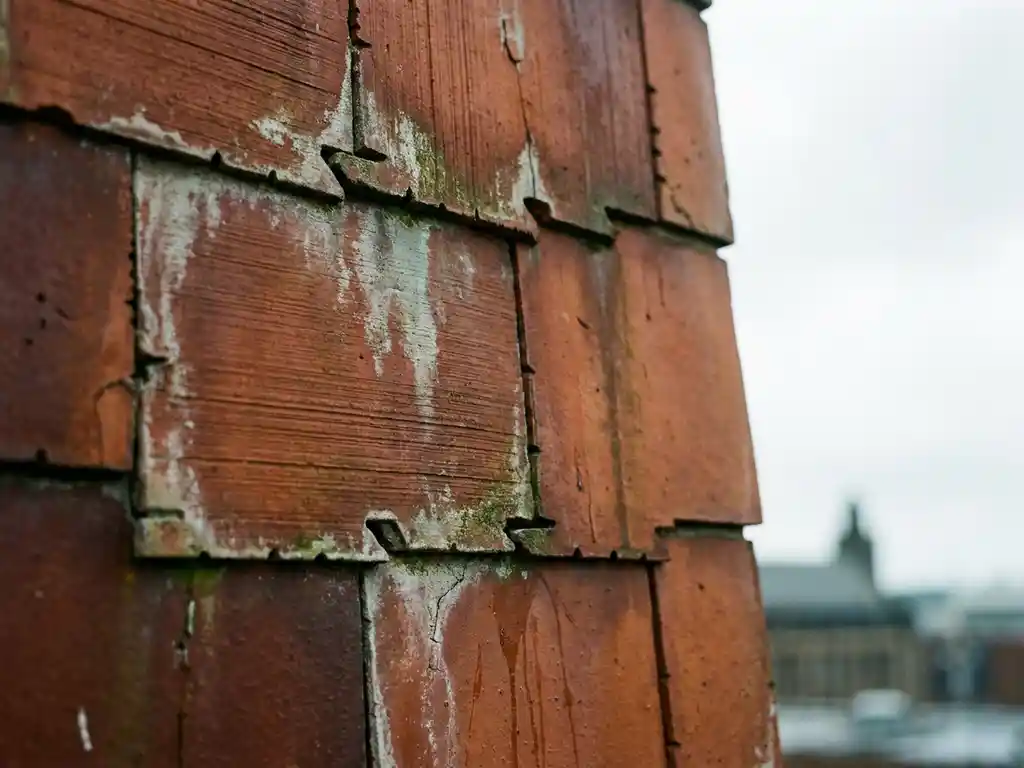
Terracotta facades age gracefully, developing a natural patina over decades while retaining their structural integrity. The material’s mineral composition means it does not rot, rust, or degrade in the way organic or metallic cladding materials do. If anything, a well-installed terracotta facade looks better with age than it does on day one. The sections below answer the most common questions about how terracotta performs over the long term.
Does terracotta change color as it weathers?
Terracotta facades do change in appearance over time, but the shift is subtle and generally considered an aesthetic asset. The surface develops a natural patina as mineral deposits interact with rain, humidity, and UV exposure. This gradual evolution deepens the warmth of the earthy tones rather than fading them, and it is entirely predictable based on the clay composition and firing process used.
Modern ceramic facade systems take this a step further. High-temperature sinter firing above 1,200 degrees Celsius produces an exceptionally dense, smooth surface that resists the kind of surface absorption that causes uneven staining or bleaching. Permanent UV resistance is built into the material itself rather than applied as a coating, so the color you specify at the design stage remains the color the building displays for decades. This makes terracotta and high-fired ceramic cladding a reliable choice for projects where long-term visual consistency matters. To get a closer look at how different surfaces and formats hold up over time, explore the full range of terracotta surfaces and formats.
How does weather affect terracotta facade performance?
Terracotta facades perform well across a wide range of climates because the material is inherently non-porous after high-temperature firing. Rain, frost, and UV radiation have minimal effect on structural performance. The dense ceramic matrix does not absorb water in significant quantities, which means freeze-thaw cycles that damage softer masonry materials cause little to no deterioration in quality terracotta cladding.
Wind loads, thermal expansion, and building movement are managed through the facade system rather than the tile itself. Ventilated rainscreen systems, for example, allow the cladding to move independently of the building structure, relieving stress and preventing cracking. The aluminum substructure handles the mechanical demands while the ceramic element handles the weather. This division of responsibility is one reason ceramic facade systems have become a preferred choice in demanding northern European climates where temperature swings are significant.
What maintenance does a terracotta facade require over time?
A terracotta facade requires very little maintenance over its service life. Routine inspection of the substructure and fixings every several years is the primary ongoing task. The ceramic surface itself does not need sealing, painting, or chemical treatment. Rain naturally cleans the smooth, dense surface, keeping the facade looking fresh without intervention.
Graffiti resistance is another practical advantage of high-fired ceramic cladding. The low porosity of the surface means spray paint and other contaminants do not penetrate the material, so removal is straightforward without specialist products or abrasive methods that could damage softer surfaces. For building owners and facilities managers, this translates directly into reduced lifecycle maintenance demands and lower long-term operating costs compared with materials that require periodic repainting or resealing.
Where individual tiles are damaged through impact or accident, the click-in mounting systems used in modern ceramic facade installations allow single elements to be replaced without disturbing the surrounding cladding. This component-level repairability keeps the facade looking consistent without requiring large-scale remediation works. Order samples or download technical documentation to assess material quality and system details before specifying.
How long does a terracotta facade last?
A well-installed terracotta facade can last well over 50 years, and historic examples demonstrate that high-fired clay cladding can remain structurally sound for a century or more. The material itself does not degrade in the way that organic or coated materials do. Longevity depends primarily on the quality of the substructure, the precision of installation, and the firing quality of the ceramic elements.
The long service life of terracotta and ceramic facades is central to their total cost of ownership advantage. While the upfront investment in a quality ceramic facade system is meaningful, the near-zero maintenance requirement and exceptional durability mean that the cost per year of service is highly competitive with materials that require frequent upkeep or replacement. For project managers and building owners thinking in terms of lifecycle value rather than initial outlay, the long-term case for ceramic cladding is strong.
How does terracotta compare to other facade materials over time?
Compared to other common facade materials, terracotta and high-fired ceramic cladding age more predictably and require less intervention over time. Fiber cement fades and may require repainting. Composite panels can delaminate or discolor. Natural stone performs well but is significantly heavier and more demanding to install. Terracotta combines the durability of mineral materials with a surface weight low enough to be compatible with lightweight and timber-frame construction.
Fire performance is another area where terracotta stands apart. Ceramic facade elements are classified as building material class A1, meaning they are non-combustible and contain no combustible components. This is a meaningful advantage over many polymer-based or composite cladding systems, particularly as fire safety regulations tighten across European construction markets.
Sustainability over time is also worth considering. Terracotta and ceramic facades are 100% recyclable at end of life, and modern facade systems are designed for deconstruction and component-level sorting. This means the material can be recovered and reused rather than sent to landfill when a building is eventually refurbished or demolished. For projects targeting environmental certification, this circular lifecycle is a genuine differentiator compared with materials that are difficult to separate or recycle cleanly. See how completed projects demonstrate these long-term qualities in practice.
How TONALITY® supports the long-term performance of your terracotta facade
TONALITY® ceramic facade systems are engineered specifically to deliver on the durability, low maintenance, and aesthetic consistency that terracotta cladding promises over its full service life. Whether you are specifying for a new build or a refurbishment project, TONALITY® provides a complete and technically proven solution:
- Sinter-fired ceramic panels fired above 1,200°C for maximum density, UV stability, and color permanence across decades of exposure
- Ventilated rainscreen systems with precision-engineered aluminum substructures that manage thermal movement, wind loads, and building settlement without transferring stress to the cladding
- Click-in mounting systems that allow individual panel replacement at component level, keeping lifecycle repair costs minimal
- A1 non-combustible classification across the ceramic product range, meeting the most stringent fire safety requirements in European construction
- 100% recyclable materials designed for end-of-life deconstruction and circular reuse, supporting environmental certification targets
If you are planning a project and want to discuss how TONALITY® can meet your specific performance, aesthetic, and sustainability requirements, get in touch with the TONALITY® sales team for expert guidance and project support.