

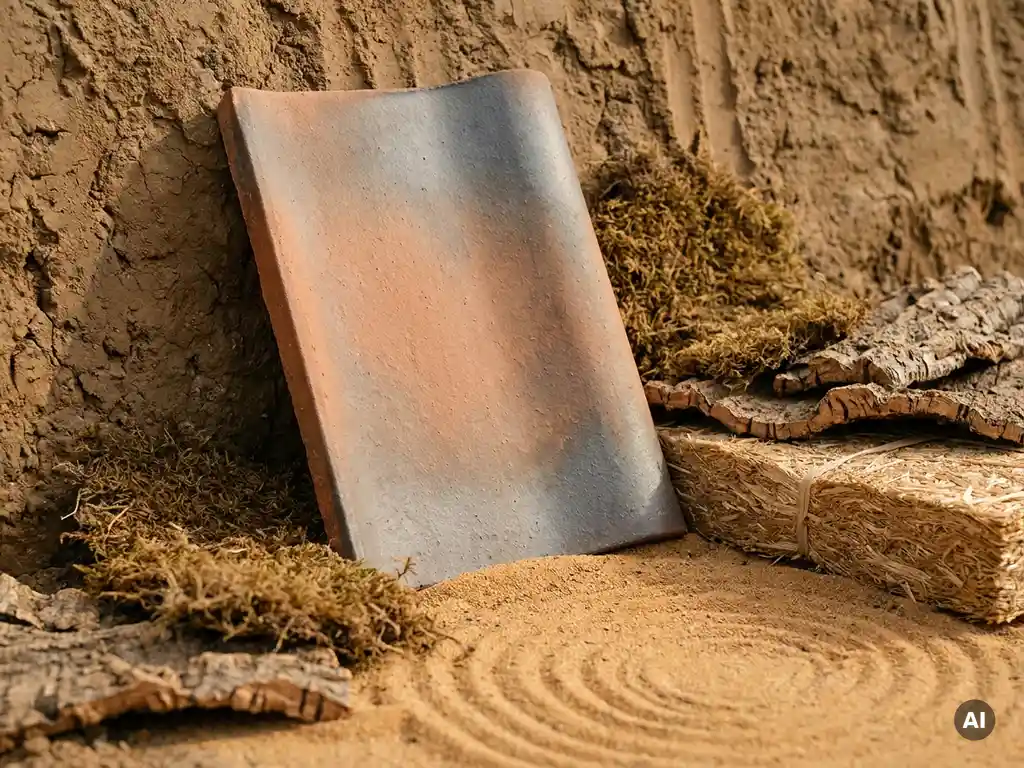
Sustainable building materials are increasingly valued for their environmental benefits, but their acoustic properties play an equally important role in creating comfortable, functional spaces. Sound insulation and noise reduction capabilities vary significantly across different sustainable materials, from natural options like timber and stone to innovative solutions like recycled composites and ceramic facades.
Understanding how sustainable building materials perform acoustically helps architects, builders, and property owners make informed decisions that benefit both the environment and occupant comfort. The acoustic performance of these materials depends on factors such as density, porosity, and installation methods, all of which influence how effectively they control sound transmission and absorption.
What Are the Acoustic Properties of Sustainable Building Materials?
Sustainable building materials offer varying acoustic properties, with dense materials like ceramic and stone providing excellent sound insulation, while porous materials like recycled wood fiber excel at sound absorption. Acoustic performance depends on a material’s mass, density, and surface characteristics.
Natural materials such as timber and stone have been used for centuries, in part due to their acoustic benefits. Timber construction can achieve good sound insulation when properly designed, while its cellular structure provides natural sound absorption. Stone and ceramic materials offer high mass and density, creating effective barriers against airborne sound transmission.
Modern sustainable materials like recycled cellulose insulation and hemp-based composites combine environmental benefits with specific acoustic functions. These materials often feature controlled porosity that enhances sound absorption while maintaining structural integrity. The key is matching a material’s acoustic characteristics to the specific requirements of each application.
How Do Ceramic Facades Compare to Other Materials for Sound Insulation?
Ceramic facades provide superior sound insulation compared to lightweight materials due to their high density and non-porous surface, effectively blocking airborne noise transmission. Their performance rivals that of traditional masonry while offering additional benefits such as weather resistance and low maintenance requirements.
The dense, sintered structure of ceramic facade elements creates an effective barrier against external noise sources such as traffic, aircraft, and urban activity. Unlike lightweight metal or composite panels, ceramic materials do not vibrate easily when exposed to sound waves, reducing noise transmission through the building envelope.
Compared to timber cladding, ceramic facades offer significantly better sound insulation due to their higher mass per square meter. While timber provides some acoustic benefits through its natural cellular structure, it cannot match the sound-blocking capabilities of dense ceramic materials. Glass facades, though visually appealing, typically require additional acoustic treatments to achieve the noise reduction levels that ceramic facades provide naturally.
Which Sustainable Materials Offer the Best Noise Reduction Performance?
Dense natural materials like stone, ceramic, and properly designed timber assemblies offer the best noise reduction performance among sustainable options. High-mass materials excel at blocking sound transmission, while fibrous sustainable insulation materials provide excellent sound absorption.
Recycled concrete and reclaimed masonry rank among the top performers for sound insulation due to their substantial mass and density. These materials effectively block airborne sound transmission and can be incorporated into various construction systems. Natural stone facades and ceramic cladding systems also deliver exceptional acoustic performance while meeting sustainability criteria.
For sound absorption rather than sound blocking, sustainable options include recycled denim insulation, sheep’s wool, and cork panels. These materials excel at reducing echo and reverberation within spaces. Combining high-mass exterior materials with absorptive interior finishes creates comprehensive acoustic solutions that address both external noise intrusion and internal sound quality.
How Does Building Material Density Affect Acoustic Performance?
Building material density directly correlates with sound insulation performance, as denser materials provide greater mass to resist sound wave transmission. Materials with higher density per unit area typically achieve better noise reduction ratings and more effective acoustic barriers.
The mass law principle explains this relationship: doubling a material’s mass generally improves its sound insulation by approximately 6 decibels. This means that dense sustainable materials like ceramic tiles, natural stone, or recycled concrete blocks significantly outperform lightweight alternatives in blocking airborne noise transmission.
However, density must be balanced with other practical considerations in sustainable construction. While extremely dense materials offer superior acoustic performance, they may require stronger structural support and can affect overall building efficiency. The optimal approach often involves combining moderately dense exterior materials with strategic interior acoustic treatments to achieve desired performance levels without compromising sustainability goals.
What Acoustic Benefits Do Recycled and Natural Building Materials Provide?
Recycled and natural building materials provide diverse acoustic benefits, from sound absorption in recycled textile insulation to sound blocking in reclaimed masonry. These materials often combine environmental responsibility with proven acoustic performance developed through decades of use in construction applications.
Recycled materials like reclaimed timber beams and salvaged brick offer acoustic properties similar to those of their original forms while reducing environmental impact. Reclaimed timber maintains its natural sound absorption characteristics, while recycled masonry provides the mass needed for effective sound insulation. These materials often perform better acoustically than newer alternatives due to their mature, stable structure.
Natural materials such as cork, hemp fiber, and sheep’s wool insulation excel at sound absorption due to their fibrous or cellular structure. Cork, in particular, stands out for its dual function as both an insulator and an acoustic material, providing sound damping while maintaining excellent thermal properties. These materials contribute to healthier indoor environments while delivering measurable acoustic improvements compared to synthetic alternatives.
How TONALITY® Helps with Acoustic Performance in Sustainable Construction
TONALITY® ceramic facade systems deliver exceptional acoustic performance through high-density ceramic elements that effectively block external noise while supporting sustainable construction goals. The ceramic material’s dense, sintered structure provides superior sound insulation compared to lightweight facade alternatives.
- High-density ceramic construction effectively blocks airborne noise transmission
- Non-combustible A1 classification eliminates acoustic concerns related to fire safety
- 100% recyclable materials support circular economy principles without compromising performance
- Precise manufacturing ensures consistent acoustic properties across all facade elements
- Low surface weight allows for optimized structural design while maintaining acoustic benefits
The combination of acoustic excellence and environmental responsibility makes TONALITY® facades ideal for projects requiring both noise control and sustainability credentials. Contact our technical team to explore how TONALITY® ceramic facade systems can enhance your project’s acoustic performance while meeting the most demanding sustainability requirements.
Related Articles
- What standard formats do ceramic facade tiles come in, and how do you pick one?
- Can ceramic cladding solutions be retrofitted onto existing building facades?
- How do you design for extreme weather conditions?
- How do fire resistant sustainable materials compare to traditional?
- How do terracotta baguettes and louvers provide sun shading?