

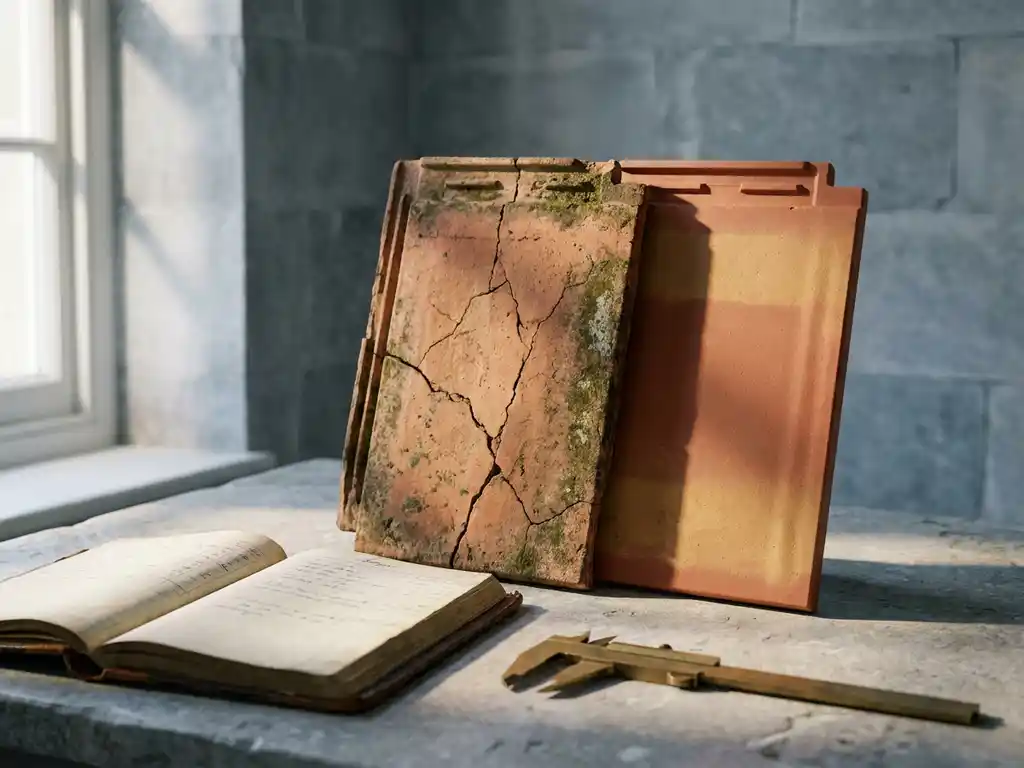
Building owners track the residual value of terracotta facade panels by assessing a combination of physical durability, maintenance history, material classification, and end-of-life recyclability. Because ceramic cladding is a long-life building component, its residual value is closely tied to lifecycle performance rather than short-term depreciation curves. The sections below unpack each of the key valuation factors in detail.
What factors determine the long-term value of terracotta facade panels?
The long-term value of terracotta facade panels is determined by material durability, surface integrity, fire classification, UV resistance, and compatibility with modern construction standards. Panels that maintain their appearance and structural performance over decades without significant intervention hold their value far better than materials requiring frequent replacement or remediation.
From a building asset perspective, several factors carry particular weight:
- Material density and surface quality: Panels fired at high temperatures develop dense, low-porosity surfaces that resist weathering, staining, and biological growth. This directly limits degradation over time.
- Color and UV stability: Permanent color and UV resistance prevent the fading and surface breakdown that can reduce the visual and market appeal of a facade over its lifetime.
- Fire classification: Ceramic elements classified as building material class A1 are non-combustible, which satisfies increasingly stringent building regulations and supports insurability and asset protection.
- System compatibility: Facade panels integrated into well-documented, adaptable installation systems retain relevance during renovations and can be partially replaced without a full system overhaul.
Together, these characteristics form the foundation on which building owners and valuers assess whether a ceramic facade will continue contributing positively to a building’s worth across its full service life.
How do building owners calculate residual value for ceramic cladding?
Building owners calculate the residual value of ceramic cladding by estimating the remaining useful service life of the material, factoring in expected maintenance costs, and assessing the material’s condition relative to its original specification. Unlike components with predictable mechanical wear, high-quality ceramic cladding often depreciates slowly due to its inherent material stability.
In practice, the calculation involves several steps. First, valuers establish the expected total lifespan of the facade system based on material class and installation quality. Second, they account for any maintenance or remediation costs incurred or anticipated. Third, they assess the current condition of the panels, including surface integrity, fixing security, and drainage performance. Finally, they consider whether the facade meets current regulatory and energy performance standards, since non-compliant facades can carry a negative adjustment to residual value even when the material itself is in good condition.
For ceramic facade panels produced to tight dimensional tolerances and installed with precision, this process is typically straightforward. Consistent panel geometry, stable surface finishes, and documented installation systems make condition assessments more reliable and less subjective, which supports more accurate residual value calculations. Reviewing completed projects can give building owners and valuers a useful benchmark for what long-term performance looks like in practice.
How does ceramic facade weight affect a building’s asset valuation?
Ceramic facade weight affects asset valuation primarily through its influence on structural load requirements, substructure material costs, and suitability for use in lightweight or timber construction. A facade system with lower dead weight reduces the engineering demands placed on the building structure, which has measurable implications for both construction economics and long-term asset flexibility.
Single-layer ceramic facade panels with a surface weight of around 40 kilograms per square meter place significantly less load on a building’s substructure compared to heavier cladding systems. This reduced load has two valuation-relevant consequences. During construction, lighter substructures require less material and labor, which improves the overall cost efficiency of the facade installation. Over the building’s life, the lower structural demand means the facade system is more compatible with future adaptations, including refurbishments or changes in use, without requiring structural upgrades to accommodate the facade’s weight.
For timber construction in particular, lightweight ceramic cladding opens up facade options that would otherwise be structurally or technically impractical. Buildings designed for timber frame or mass timber systems benefit from facade materials that respect the load limits of the structure while still delivering long-term durability and fire protection. This combination of low weight and A1 non-combustible classification makes ceramic cladding a genuinely asset-enhancing choice in this growing construction segment.
What maintenance costs should building owners budget for terracotta facades?
Building owners should budget for periodic visual inspections, occasional cleaning, and fixing system checks when planning maintenance for terracotta facades. In practice, high-quality ceramic cladding requires very little active intervention because the material is inherently resistant to staining, biological growth, and surface degradation under normal environmental conditions.
The key maintenance categories to plan for include:
- Routine inspection: Regular checks of panel condition, fixing integrity, and drainage channels ensure that minor issues are caught before they become costly. This is standard practice for any ventilated facade system.
- Surface cleaning: Ceramic surfaces with dense, smooth finishes resist dirt adhesion, meaning cleaning cycles are infrequent compared to more porous cladding materials. Where integrated graffiti protection is present, cleaning after vandalism is also simplified.
- Substructure review: The aluminum retaining profiles and fixing components that support the ceramic elements should be inspected as part of any facade maintenance program, particularly in coastal or high-humidity environments where corrosion risk is elevated.
- Partial panel replacement: Because ceramic facade panels are installed as individual elements rather than bonded sheets, damaged panels can be replaced individually without disturbing the surrounding facade. This targeted replaceability significantly reduces the scope and cost of remediation work. Technical documentation and material samples can support the matching process when replacement panels are needed.
From a lifecycle cost perspective, the low maintenance burden of terracotta facade panels is one of their strongest financial arguments. When building owners calculate total cost of ownership rather than upfront investment alone, the reduced intervention frequency over a multi-decade service life represents a meaningful contribution to the overall value case for ceramic cladding.
How does recyclability influence the end-of-life value of facade ceramics?
Recyclability influences the end-of-life value of facade ceramics by reducing demolition waste costs, supporting compliance with circular economy regulations, and contributing positively to a building’s environmental certification profile. Ceramic facade panels that are 100% recyclable and can be sorted by component type at deconstruction retain a material value that non-recyclable cladding systems do not.
As sustainability requirements tighten across European construction markets in 2026, the end-of-life treatment of building materials is increasingly factored into whole-life assessments and green building certifications. Facade systems that can be deconstructed and sorted with minimum effort align well with circular economy principles and reduce the liability associated with waste disposal at end of life.
There are two dimensions to this end-of-life value. The first is practical: ceramic materials recovered from a facade can re-enter material streams rather than going to landfill, which reduces disposal costs and may generate a recoverable material value depending on local recycling infrastructure. The second is reputational and regulatory: buildings with documented recyclable facades are better positioned for green certification renewals, ESG reporting, and future sale to buyers who prioritize sustainability credentials.
For building owners managing portfolios across multiple assets, the combination of low maintenance requirements, long service life, and genuine end-of-life recyclability means that ceramic facade systems contribute to asset value across every stage of a building’s lifecycle, not just at the point of installation.
How TONALITY® helps with terracotta facade residual value
TONALITY® ceramic facade panels are engineered specifically to support long-term building value — from initial installation through to end-of-life recyclability. For building owners, developers, and asset managers looking to maximize the lifecycle performance of their facade investment, TONALITY® addresses every dimension covered in this article:
- Durable, high-fired ceramic material with permanent color stability and UV resistance, minimizing surface degradation and preserving visual quality over decades.
- A1 non-combustible classification, meeting the most stringent fire safety regulations and supporting building insurability and long-term compliance.
- Low dead weight of approximately 40 kg/m², reducing substructure demands and making TONALITY® suitable for timber construction and lightweight building systems.
- Individual panel replaceability within a documented fixing system, keeping maintenance costs predictable and remediation work to a minimum.
- 100% recyclable ceramic material, supporting circular economy compliance and green building certification across the full asset lifecycle.
Whether you are planning a new facade, evaluating a refurbishment, or assessing the long-term value of an existing ceramic cladding system, TONALITY® provides the technical foundation and product documentation to support your decision. Get in touch with the TONALITY® team to discuss your project requirements and receive tailored advice.