

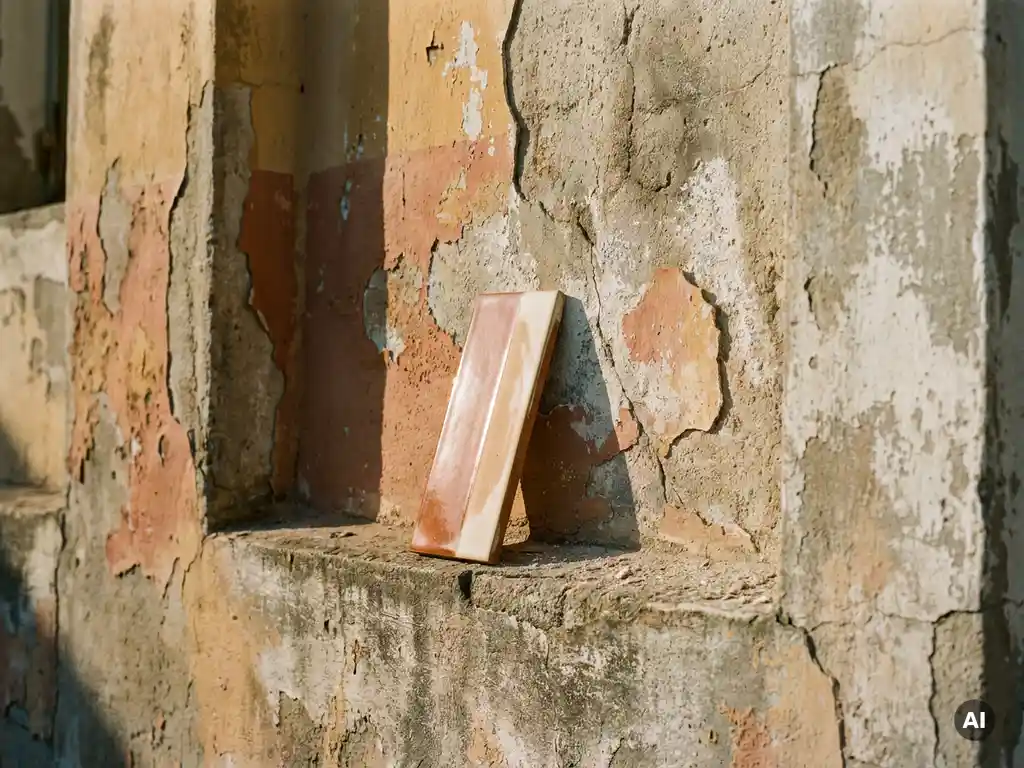
Facade colors fade and change over time primarily due to UV radiation, moisture infiltration, air pollution, and the natural weathering of surface materials. The rate and severity of color change depend heavily on the facade material chosen and how well it resists these environmental forces. Understanding the root causes helps building owners, architects, and specifiers make smarter long-term decisions about facade selection and maintenance.
What are the main causes of facade color fading?
The main causes of facade color fading are UV radiation from sunlight, repeated moisture exposure, airborne pollutants, and thermal stress from temperature cycles. These factors rarely act alone. In most real-world environments, they combine and accelerate one another, breaking down pigments, surface coatings, and the structural integrity of facade materials over time.
Different materials respond to these stressors in very different ways. Painted or coated surfaces are particularly vulnerable because the color sits on top of the material rather than being part of it. Once the coating degrades, the underlying substrate is exposed, and discoloration accelerates rapidly. Materials where color is intrinsic to the material itself, such as natural stone or ceramic, behave very differently and tend to hold their appearance far longer.
Building orientation also plays a role. South-facing facades in the northern hemisphere receive significantly more direct sunlight and therefore more UV exposure than north-facing ones. Facades near coastal areas or industrial zones face additional chemical stress from salt spray and pollution particles.
How does UV radiation damage facade surfaces over time?
UV radiation damages facade surfaces by breaking down the molecular bonds in pigments, binders, and surface coatings. This process, known as photodegradation, causes colors to bleach, yellow, or shift in hue. The damage is cumulative and irreversible in most surface-applied coatings, meaning every year of sun exposure moves the facade further from its original appearance.
For painted facades, the binder that holds pigment particles together is often the first casualty. As it degrades, pigment particles loosen and wash away with rain, a process visible as chalking on the surface. Polymer-based cladding materials can also become brittle and crack under prolonged UV exposure, creating pathways for moisture to enter and worsen the deterioration.
The key distinction when evaluating UV resistance is whether the color is applied to the surface or inherent in the material. A ceramic tile fired at over 1,200 degrees Celsius, for example, has color locked into a dense, vitrified surface that UV radiation cannot break down in the same way it attacks organic coatings. This is why ceramic facade surfaces maintain their appearance across decades without the fading seen in painted or coated alternatives.
Why does moisture make facade discoloration worse?
Moisture accelerates facade discoloration by enabling biological growth, leaching minerals from the substrate, and transporting pollutants into porous surface layers. Water is rarely just water on a building facade. It carries dissolved salts, acids from air pollution, and organic matter that stains, bleaches, or chemically alters the surface material.
Efflorescence is one of the most visible moisture-related discoloration effects. It occurs when water moves through a porous material, dissolves soluble salts within it, and deposits them on the surface as it evaporates. The result is white or gray streaking that can be difficult to remove and tends to recur unless the moisture pathway is addressed.
Biological growth from algae, moss, and lichen is another moisture-driven discoloration problem. These organisms establish themselves on damp, porous surfaces and produce pigments and acids that stain deeply into the material. Once established, biological growth is difficult to remove completely and returns quickly if the underlying moisture conditions are not resolved.
Facade materials with low water absorption rates are far more resistant to these effects. A dense, low-porosity surface gives moisture and the contaminants it carries far less opportunity to penetrate and cause lasting discoloration.
Which facade materials resist color change best?
Ceramic and natural stone facade materials resist color change best because their color is inherent in the material rather than applied as a coating. Among engineered facade materials, high-fired ceramic tiles consistently outperform painted metal, fiber cement, and polymer-based cladding systems when it comes to long-term color stability.
Ceramic facade tiles
Ceramic tiles produced through a high-temperature sinter-firing process develop a dense, vitrified surface that is chemically stable and highly resistant to UV, moisture, and pollutants. The color runs through the material rather than sitting on top of it, so there is no coating to degrade, chalk, or peel. This gives ceramic facades a permanent color and UV resistance that surface-applied systems simply cannot match over a full building lifecycle.
Painted and coated materials
Painted steel, aluminum, and fiber cement panels rely on surface coatings for their color. Even high-quality coatings degrade under sustained UV exposure and thermal cycling, typically requiring repainting or recoating within ten to twenty years depending on climate and orientation. Each recoating cycle adds maintenance cost and disruption, and achieving an exact color match to the original becomes increasingly difficult as time passes.
Does air pollution affect facade color permanently?
Yes, air pollution can permanently affect facade color, particularly on porous or rough-textured surfaces where particulate matter accumulates and bonds to the material. Soot, nitrogen oxides, sulfur compounds, and fine particulate matter from vehicle traffic and industrial activity all contribute to the gradual darkening and staining of building facades in urban environments.
Sulfur dioxide and nitrogen oxides react with moisture on facade surfaces to form weak acids. These acids attack carbonate-based materials like limestone and certain concrete products, etching the surface and creating a roughened texture that traps even more pollution particles. Over time, this creates a self-reinforcing cycle of staining and surface degradation.
Smooth, dense surfaces resist pollution accumulation far more effectively than rough or porous ones. Rain can wash a smooth surface relatively clean, while a porous or textured surface traps particles in recesses where they bond permanently. Facades with integrated graffiti protection and smooth surface finishes benefit from the same principle: contaminants have nowhere to grip, and the surface remains cleaner over its lifetime with minimal intervention.
How can facade color fading be prevented long term?
Facade color fading can be prevented long term by choosing materials where color stability is a built-in material property rather than a surface treatment and by designing facade systems that manage moisture effectively. No maintenance regime can fully compensate for a material that is inherently susceptible to UV degradation or moisture damage.
The most effective long-term prevention strategies include:
- Material selection: Prioritize materials with intrinsic color stability, such as high-fired ceramics or natural stone, over those relying on coatings or paints.
- Surface density: Choose low-porosity surfaces that resist moisture absorption, biological growth, and pollution accumulation.
- Ventilated facade systems: Rear-ventilated facade systems allow moisture to escape rather than accumulate, dramatically reducing the conditions that drive biological staining and efflorescence.
- Regular cleaning: Even durable surfaces benefit from periodic gentle cleaning to remove surface deposits before they bond permanently, particularly in high-pollution urban environments.
- Correct detailing: Proper drainage design, sealant selection, and joint detailing prevent water from pooling against the facade surface or infiltrating behind it.
Specifiers who take a total cost of ownership perspective consistently find that investing in inherently durable materials reduces lifecycle expenditure significantly. Avoiding repainting cycles, minimizing cleaning requirements, and eliminating premature replacement all contribute to long-term value that surface-applied systems rarely deliver.
How TONALITY® protects your facade color for decades
TONALITY® ceramic facade tiles are engineered to address every major cause of facade color fading from the ground up. Rather than relying on coatings or treatments that degrade over time, TONALITY® produces color stability as a direct result of the manufacturing process itself. Tiles are fired at temperatures exceeding 1,200 degrees Celsius, creating a dense, vitrified surface where color is locked into the material permanently.
Here is what that means in practice for building owners and specifiers:
- Permanent UV resistance: The ceramic surface is chemically inert and does not contain the organic compounds that UV radiation breaks down, so color remains stable across decades of direct sun exposure.
- Low water absorption: The dense, sintered surface resists moisture infiltration, eliminating the conditions that drive efflorescence, biological growth, and moisture-related discoloration.
- Integrated graffiti protection: The smooth, non-porous surface resists bonding of pollutants, graffiti, and organic matter, keeping facades cleaner with minimal maintenance effort.
- Building material class A1: TONALITY® tiles are non-combustible and contain no organic components that can degrade under environmental stress.
- Precision formats: Available from 150 x 300 mm up to 400 x 1,600 mm, tiles can be specified precisely for any architectural requirement.
The result is a facade that looks as intended not just at handover, but throughout the full building lifecycle. For architects and developers focused on long-term performance, this translates directly into reduced maintenance expenditure and a building that retains its design intent without ongoing intervention. You can explore the full range of surfaces and formats or browse completed reference projects to see long-term color performance in real-world applications.
[cta_contact_form]
If you are specifying a facade and want to understand which system best suits your project requirements, the TONALITY® team is happy to provide guidance. Get in touch with our sales team to discuss your project or request material samples to evaluate color and surface quality firsthand.
Related Articles
- How does a terracotta facade reduce a building's lifetime energy use?
- How do you calculate the water footprint of sustainable building materials
- How do you identify truly sustainable building products?
- Why do hospitals and healthcare facilities increasingly specify terracotta facades?
- What questions should architects ask terracotta manufacturers?