

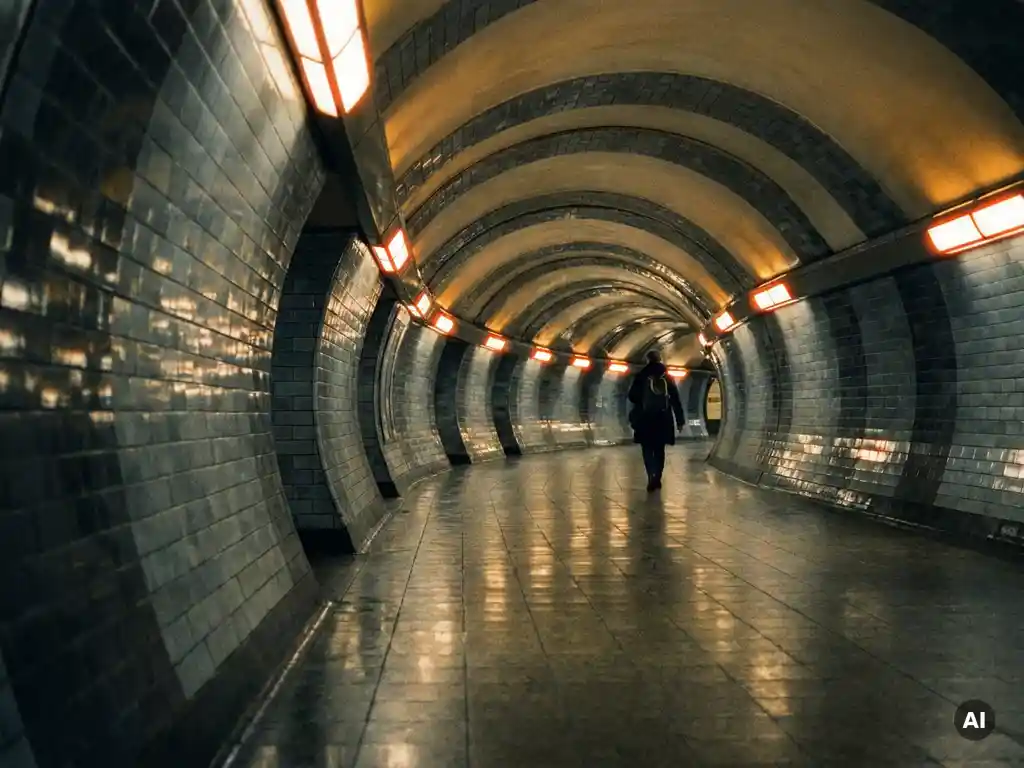
Underground stations are among the most demanding environments any building material can face. Thousands of passengers move through them every day, mechanical systems generate heat and vibration, and maintenance windows are narrow. Choosing the wrong surface material leads to rapid deterioration, costly repairs, and stations that look worn within just a few years of opening. Ceramic surfaces for underground stations have become a trusted solution precisely because they are engineered to handle exactly these conditions. Here are seven reasons why ceramic facade cladding consistently outperforms alternatives in metro and subway environments.
Why Underground Stations Demand the Toughest Materials
Before diving into the list, it helps to understand what makes underground stations so uniquely challenging. Unlike standard commercial interiors, metro environments combine relentless foot traffic, fluctuating humidity, temperature differentials between tunnel air and platform zones, and constant exposure to dust, pollutants, and mechanical vibration. Add the critical importance of passenger safety, and the material specification stakes become very high.
Architects and infrastructure planners increasingly specify ceramic cladding for public transport environments because it addresses structural, aesthetic, and safety requirements in a single material choice. The seven points below break down exactly how and why.
1: Unmatched Durability Under Extreme Daily Traffic
Ceramic tiles for metro stations earn their reputation first and foremost through sheer physical resilience. High-density ceramic surfaces produced through sinter firing at temperatures exceeding 1,200 degrees Celsius develop an exceptionally hard, dense surface that resists abrasion, impact, and surface wear far better than most alternative cladding materials.
In a busy underground station, wall and column surfaces are constantly brushed by bags, luggage, maintenance equipment, and cleaning machinery. Softer materials show scuffing and surface degradation within months. Ceramic cladding maintains its structural integrity and visual quality over decades, reducing the frequency and cost of replacement cycles that would otherwise disrupt station operations.
This long service life directly supports total cost of ownership thinking. While the initial specification investment matters, the real value lies in minimizing lifecycle maintenance expenditure across the full operational period of the station infrastructure.
2: Built-In Fire Protection for Passenger Safety
Fire safety is non-negotiable in enclosed underground environments. Escape routes are limited, smoke spreads quickly in tunnel geometries, and evacuation times are critical. Surface materials that contribute to fire spread or generate toxic smoke in a fire scenario are simply not acceptable for metro applications.
Ceramic cladding is classified as building material class A1, the highest possible non-combustibility rating. This means ceramic surfaces contain no combustible components and contribute nothing to fire load or smoke development. For station designers working within strict fire engineering requirements, this classification removes a significant compliance concern from the specification process.
This fire protection performance is inherent to the material itself, not dependent on coatings or treatments that might degrade over time. The protection is permanent and consistent throughout the full service life of the installation.
3: Integrated Graffiti Protection Keeps Stations Clean
Graffiti is a persistent challenge in underground environments worldwide. The dense, smooth surface produced by high-temperature sinter firing creates a naturally resistant substrate that makes paint adhesion difficult and cleaning straightforward. Ceramic surfaces for underground stations effectively integrate graffiti resistance as a material property rather than relying on topical coatings.
This matters operationally because topical anti-graffiti coatings on other materials require periodic reapplication, add maintenance complexity, and can alter surface appearance over time. Ceramic cladding’s inherent surface density means that most graffiti can be removed without specialist chemicals or abrasive methods that might damage the surface finish.
For station operators managing tight maintenance budgets and strict appearance standards, this translates directly into reduced cleaning time, lower chemical consumption, and consistently presentable station environments for passengers.
4: Permanent UV and Color Stability in Artificial Light
Underground stations rely almost entirely on artificial lighting, and the interaction between light sources and surface materials significantly affects the visual atmosphere passengers experience. Color stability under artificial light, and resistance to any UV components in modern LED systems, ensures that the design intent established at project completion remains consistent across decades of operation.
Ceramic facade tiles achieve permanent color stability through the firing process itself. Pigmentation is integral to the material, not a surface application, meaning it cannot fade, peel, or chalk over time. The station’s visual identity remains coherent whether the installation is one year old or thirty years old.
This stability also supports brand consistency for transit authorities that use color coding and visual identity systems across their station networks. Specifying ceramic cladding for public transport projects gives planners confidence that color matching between stations and between construction phases will hold over time.
5: Low Surface Weight Eases Structural Installation
Underground station structures are engineered to precise load tolerances. Adding heavy cladding systems to walls, columns, and ceilings creates structural loading challenges that can increase substructure requirements, complicate installation logistics, and add cost to the overall project.
Single-layer ceramic facade elements with a surface weight of approximately 40 kilograms per square meter are significantly lighter than many alternative cladding systems. This low dead weight allows for lighter aluminum substructures, simplifies installation in the constrained working environments typical of underground construction sites, and reduces overall structural loading on the station envelope.
The installation system itself is designed for efficiency. Ceramic elements profiled on the back interlock with vertical aluminum retaining profiles, making the mounting process straightforward even in complex station geometries. Faster installation reduces the duration of construction phases that disrupt normal station operations.
6: Precision Formats for Complex Station Geometries
Underground stations rarely feature simple flat wall planes. Curved tunnel linings, column arrays, vaulted ceilings, and complex junction details create specification challenges for surface materials that cannot be produced to precise, consistent dimensions. Ceramic tiles for metro stations can be manufactured to tolerances within one millimeter, across a format range from 150 x 300 mm up to 400 x 1,600 mm.
This precision allows designers to work with the actual geometry of the station rather than compromising design intent to accommodate material limitations. Larger-format panels reduce the number of visible joints and create cleaner visual surfaces, while smaller formats provide the flexibility needed for curved surfaces and detailed transitions.
The range of available surfaces and formats also gives architects genuine creative latitude. Underground stations are significant pieces of public infrastructure, and their visual quality shapes the daily experience of thousands of passengers. Ceramic cladding supports design ambition without sacrificing technical performance.
7: 100% Recyclability Supports Sustainable Infrastructure
Infrastructure projects increasingly operate within sustainability frameworks that assess environmental impact across the full lifecycle of a building or structure. Ceramic cladding for public transport environments supports these goals in a meaningful way. Ceramic elements are 100% recyclable and can be deconstructed and sorted by component type with minimal effort at end of life.
This circularity is increasingly relevant as transit authorities and municipalities commit to embodied carbon reduction targets and circular economy principles in their procurement frameworks. Specifying a material that can be fully recovered and reused at the end of a station’s service life contributes directly to these commitments.
Beyond recyclability, the long service life of ceramic surfaces reduces the frequency of material replacement cycles, which itself represents a significant reduction in the environmental impact associated with ongoing maintenance and refurbishment. Durability and sustainability reinforce each other in the lifecycle analysis of ceramic cladding installations.
How TONALITY® Helps with Ceramic Surfaces in Underground Stations
TONALITY® ceramic facade systems are engineered to meet exactly the performance requirements that underground station projects demand. Drawing on high-quality clay deposits from the Westerwald region and a sinter-firing process exceeding 1,200 degrees Celsius, TONALITY® produces ceramic elements that deliver on every point covered in this article. Here is what the system brings to metro and subway specifications:
- A1 non-combustibility classification for full compliance with fire safety requirements in enclosed public spaces
- Integrated graffiti resistance through the dense sintered surface, reducing operational cleaning costs
- Permanent color and UV stability with pigmentation integral to the fired material
- Low surface weight of approximately 40 kg/m² for simplified substructure and installation in constrained underground environments
- Precision manufacturing to within one millimeter, with formats from 150 x 300 mm up to 400 x 1,600 mm for complex station geometries
- 100% recyclability with component-sorted deconstruction to support circular infrastructure goals
- Maintenance-free long-term performance that supports favorable total cost of ownership across the full station lifecycle
If you are specifying materials for an underground station, metro platform, or public transport infrastructure project, TONALITY® offers the technical documentation, sample materials, and expert consultation to support your design process. You can request samples and downloads to evaluate the system firsthand.
[cta_contact_form]
Underground stations are long-term investments in public infrastructure, and the materials specified today will define passenger experience for decades. Ceramic cladding combines the durability, safety, and sustainability credentials that metro environments genuinely require. Get in touch with the TONALITY® team to discuss how ceramic facade systems can be integrated into your next project.