

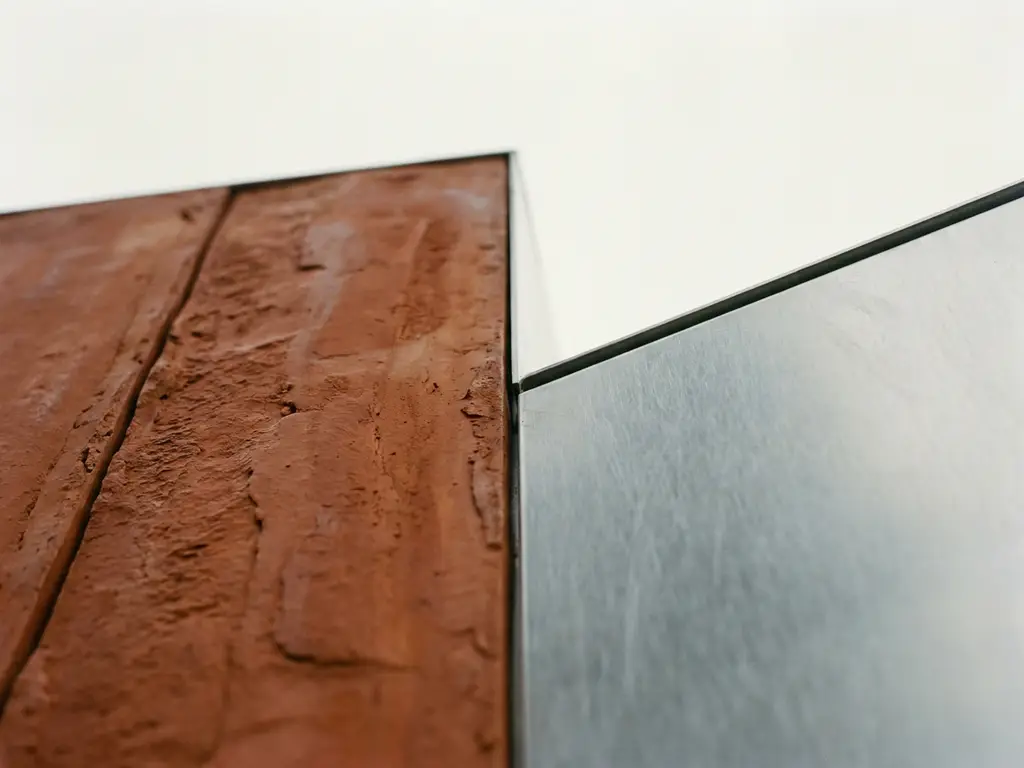
Terracotta facades are generally more durable than aluminium cladding over the long term. Ceramic materials fired at high temperatures are inherently resistant to UV degradation, weathering, and surface wear in ways that coated aluminium simply cannot match. For construction professionals focused on lifecycle performance rather than upfront simplicity, terracotta consistently delivers stronger long-term returns.
The comparison goes deeper than just durability, though. Fire safety, maintenance demands, weight considerations, and compatibility with modern construction methods all play a role in determining which material makes sense for a given project. The sections below work through the most important questions side by side.
How long do terracotta facades actually last?
Terracotta facades can last well over a century when properly specified and installed. The material is inherently stable because it is a fired ceramic, meaning it has already undergone the chemical transformation that weathering would otherwise cause. It does not corrode, oxidize, or degrade under UV exposure the way surface-treated materials do over time.
Aluminium cladding, by contrast, relies heavily on its coating or anodizing for visual and surface performance. Once that protective layer is compromised by scratching, impact, or prolonged UV exposure, the underlying material becomes vulnerable to oxidation and color fading. Recoating is eventually necessary, adding to the total lifecycle cost.
High-quality ceramic facade systems fired above 1,200 degrees Celsius produce an extremely dense, smooth surface that resists absorption, staining, and freeze-thaw cycles. This physical density is what gives terracotta its exceptional longevity, not just a surface treatment applied after manufacture.
What are the main differences between terracotta and aluminium cladding?
The core difference between terracotta and aluminium cladding is material composition and how each material achieves its performance. Terracotta is a natural ceramic product whose properties are intrinsic to the material itself. Aluminium is a metal whose facade performance depends largely on applied coatings and fabrication precision.
Beyond composition, the two materials diverge in several practical ways:
- Surface durability: Terracotta’s fired surface resists UV fading and abrasion without any coating. Aluminium depends on powder coating or anodizing, which can degrade over time.
- Weight: Modern single-layer terracotta panels can achieve a surface weight as low as around 40 kg per square meter, which is competitive with many aluminium systems and enables lighter substructures.
- Fire classification: Terracotta is classified as a non-combustible building material (Class A1). Aluminium composite panels, depending on their core, may not achieve the same classification.
- Sustainability: Terracotta is made from natural clay, is 100% recyclable, and requires no synthetic coatings. Aluminium production is energy-intensive, though the metal itself is also recyclable.
- Design range: Both materials offer wide format and color options, but terracotta’s natural variation and surface texture options provide a distinct aesthetic character that aluminium cannot replicate. Explore the full range of available terracotta surfaces and formats to understand the breadth of design possibilities.
Does terracotta or aluminium require more maintenance over time?
Terracotta requires significantly less maintenance than aluminium cladding over the life of a building. Because terracotta’s color and surface properties are fired into the material rather than applied as a coating, there is no layer to chip, peel, or fade that would require periodic restoration. Many terracotta facades perform for decades with nothing more than occasional cleaning.
Aluminium facades need periodic inspection of sealants, fixings, and surface coatings. Powder-coated aluminium typically requires recoating after a number of years, depending on exposure conditions and product quality. In coastal or industrial environments where aggressive pollutants are present, this maintenance cycle can arrive sooner.
High-quality terracotta also features integrated graffiti resistance as part of its dense surface structure, eliminating the need for additional protective treatments. This detail matters on projects where the facade is accessible at street level and long-term appearance needs to be maintained without ongoing intervention. To get a better sense of how terracotta performs in real-world applications, it is worth reviewing completed facade projects across a range of building types and climates.
Which facade material performs better in fire safety tests?
Terracotta performs better than many aluminium cladding systems in fire safety classification. Terracotta ceramic elements are classified as building material class A1, meaning they are non-combustible and contain no combustible components whatsoever. This is the highest possible fire classification for building materials.
Aluminium as a pure metal is also non-combustible, but aluminium composite panels, which are widely used in facade applications, often contain a plastic or mineral-filled core. Depending on the core composition, these panels may only achieve a B or C fire rating rather than A1. The Grenfell Tower fire in 2017 brought widespread attention to the risks associated with aluminium composite panels using combustible cores, leading to tightened building regulations across many countries.
For projects where fire safety compliance is a primary concern, including high-rise buildings, public buildings, and timber-frame construction, terracotta’s A1 classification provides a straightforward path to regulatory approval without the need for additional fire barrier systems or product substitutions.
Is terracotta cladding a good choice for timber-frame buildings?
Yes, terracotta cladding is an excellent choice for timber-frame buildings, and it is increasingly specified for this construction type precisely because of its combination of low weight and A1 fire classification. Timber construction benefits from cladding that does not add significant structural load while simultaneously providing non-combustible protection at the building envelope.
Single-layer terracotta panels with a surface weight of around 40 kg per square meter are well suited to the reduced load-bearing capacity typical of timber substructures. Lower dead weight means lighter, simpler substructure requirements, which reduces material use, installation time, and overall project complexity.
The fire protection argument is equally compelling. Timber-frame buildings face strict regulatory requirements for their external envelope, and a non-combustible A1-rated facade material helps meet those requirements without compromise. Pairing a combustible structural system with a non-combustible cladding layer is a well-established approach to achieving compliant, high-performance timber buildings.
What should you consider when choosing between terracotta and aluminium facades?
When choosing between terracotta and aluminium facades, the most important factors are the building’s fire safety requirements, the expected maintenance budget over the building’s lifetime, the structural capacity of the substructure, and the desired aesthetic outcome. Each of these factors can point clearly toward one material or the other depending on the project context.
Consider the following questions as part of your evaluation:
- What fire rating is required? If the project demands A1 non-combustible cladding, terracotta is the natural choice. Aluminium composite panels may require careful specification to meet the same standard.
- What is the total lifecycle cost? Terracotta’s maintenance-free performance over decades typically delivers a strong total cost of ownership compared to systems that require periodic recoating or sealant replacement.
- What are the structural constraints? Both materials are available in lightweight formats, but terracotta’s low dead weight can simplify substructure design, particularly in renovation or timber-frame projects.
- What aesthetic is required? Terracotta offers natural surface variation, earthy tones, and a tactile quality that aluminium cannot replicate. Aluminium suits projects requiring a purely industrial or high-gloss metallic appearance.
- What are the sustainability goals? Terracotta is made from natural clay, requires no synthetic coatings, and is fully recyclable and deconstructable by component type. This aligns well with circular economy and green building certification requirements. If sustainability documentation is needed for certification purposes, technical downloads and material samples can support the specification process.
For most commercial and residential projects where long-term performance, fire safety, and reduced maintenance are priorities, terracotta facades offer a compelling case. Aluminium systems remain a valid option where specific aesthetic requirements or project economics favor them, but the durability and safety advantages of ceramic cladding are difficult to match across a full building lifecycle.
How TONALITY® helps you choose and specify the right terracotta facade
TONALITY® offers a comprehensive terracotta facade system designed to address the practical challenges that architects, specifiers, and contractors face when comparing cladding materials. Whether your project demands A1 fire classification, lightweight panels for timber-frame construction, or a long-term maintenance-free solution, TONALITY® provides the technical foundation to meet those requirements with confidence.
Here is what TONALITY® brings to your project:
- A1 non-combustible classification: All TONALITY® terracotta panels are certified non-combustible, making them suitable for high-rise, public, and timber-frame buildings without additional fire barrier measures.
- Low surface weight: Single-layer panels from around 40 kg per square meter reduce structural load and simplify substructure design, particularly in renovation and lightweight construction contexts.
- Zero-maintenance surface performance: Color and surface properties are fired into the material, eliminating the need for recoating, sealant replacement, or additional protective treatments over the building’s lifetime.
- Wide range of surfaces and formats: From smooth to textured, from standard to custom dimensions, TONALITY® offers extensive design flexibility to match both contemporary and heritage architectural contexts.
- Full technical support: From initial specification through to installation, TONALITY® provides documentation, samples, and expert guidance to keep your project on track.
Ready to specify a terracotta facade that outperforms aluminium on durability, fire safety, and lifecycle cost? Get in touch with the TONALITY® team to discuss your project requirements and request samples or technical documentation.
Related Articles
- 6 Advantages of Single-Layer Ceramic Facades
- What are the signs your building needs facade renovation
- How to Calculate and Compare Embodied Carbon for Different Facade Materials
- What BIM and Revit objects are available for terracotta facade specification?
- What are the fire resistance properties of ceramic facades?