

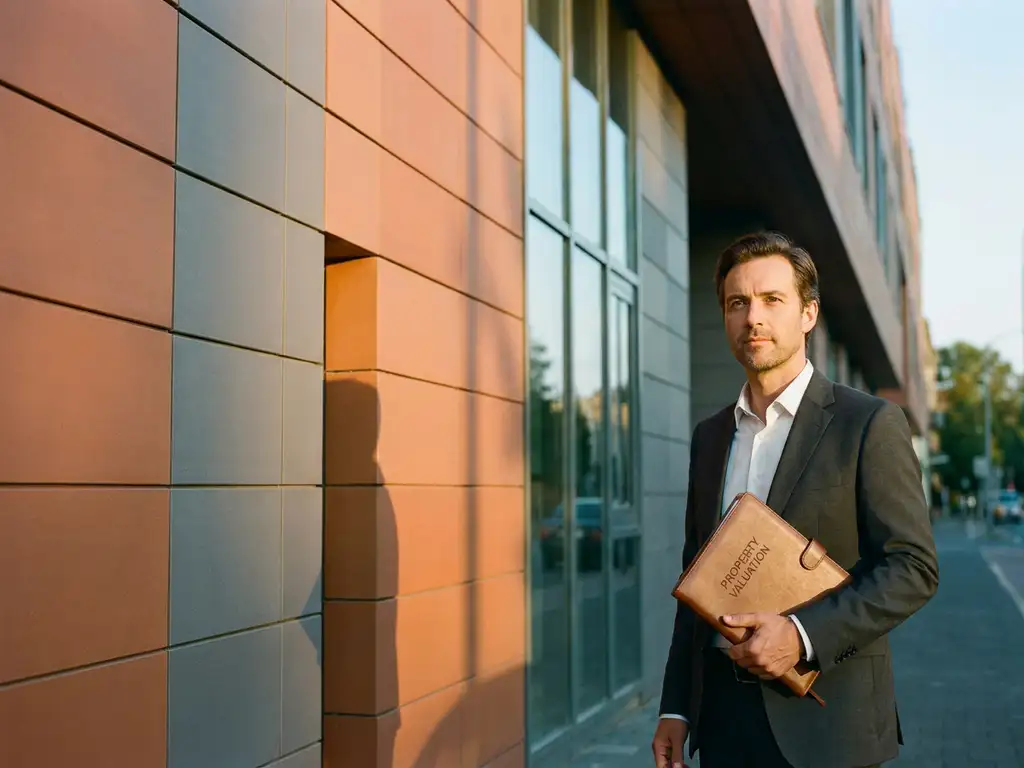
Ceramic cladding has a measurable positive effect on a building’s resale value and long-term asset performance. Its combination of durability, low maintenance demand, fire resistance, and design longevity makes it one of the strongest-performing facade materials from an investment perspective. The sections below unpack the specific factors that drive that value, from insurance implications to sustainability credentials.
Does facade material type influence commercial property valuation?
Yes, facade material directly influences commercial property valuation. Valuers and asset managers increasingly assess cladding quality as part of a building’s condition report, with durable, low-maintenance materials commanding higher residual values over time. A facade that requires frequent repair or replacement introduces lifecycle costs that reduce net asset value, while a long-lasting material preserves it.
In commercial real estate, the facade is one of the most visible signals of build quality. A building clad in a premium material communicates care and investment to prospective buyers, tenants, and lenders alike. This perception translates into tangible outcomes: stronger rental yields, shorter vacancy periods, and more favorable financing terms.
Ceramic cladding solutions are particularly well regarded in this context because they retain their surface appearance over decades without fading, staining, or structural degradation. Unlike materials that weather unevenly or require periodic recoating, ceramic maintains a consistent aesthetic that supports stable valuations across the full asset lifecycle.
What maintenance cost advantages does ceramic cladding offer over time?
Ceramic cladding offers significant maintenance cost advantages because its dense, sintered surface resists dirt adhesion, UV degradation, and moisture absorption. Unlike painted or composite facades, ceramic does not require periodic recoating, sealing, or surface treatment. Over a typical building lifecycle, this translates into substantially lower cumulative upkeep expenditure than most alternative cladding materials.
The financial logic is straightforward from a total cost of ownership perspective. Maintenance interventions are not just a direct expense. They also carry indirect costs: scaffolding, building disruption, tenant inconvenience, and potential loss of rental income during works. A facade that eliminates most of these interventions delivers compounding value over time.
Ceramic also provides integrated graffiti protection as a standard property of its surface, removing the need for specialist cleaning contracts in urban locations. For asset managers overseeing multiple properties, this kind of predictable, low-intervention performance is a genuine differentiator when calculating long-term holding costs.
How does non-combustibility affect a building’s insurability and value?
Non-combustible facade materials directly improve a building’s insurability profile and can reduce associated risk premiums. Buildings clad in materials classified as A1 under European fire standards, meaning they contain no combustible components, present a lower fire risk profile to insurers. This can influence both the availability of coverage and the terms on which it is offered.
Beyond insurance, fire performance has become a central concern in building regulation and due diligence processes following high-profile facade fire incidents across Europe. Buyers, lenders, and occupiers now scrutinize cladding fire classifications as part of standard assessments. A building with a fully non-combustible facade removes a significant risk flag from that process.
For timber-frame construction in particular, the fire classification of the external cladding layer carries additional weight. A ceramic facade classified as building material class A1 provides a non-combustible outer shell that complements the structural system and satisfies increasingly stringent regulatory requirements for mixed-material construction. This reduces compliance risk and supports long-term asset confidence.
Does sustainability certification improve a building’s resale price?
Sustainability credentials increasingly support higher resale prices and stronger leasing outcomes in commercial real estate. Buildings certified under frameworks such as BREEAM, DGNB, or LEED consistently attract premium valuations in institutional markets, where ESG commitments now drive procurement decisions. Facade material selection is one of the contributing factors that supports these certifications.
Ceramic cladding contributes to sustainability performance in several concrete ways. It is 100% recyclable, can be deconstructed and sorted by component type with minimal effort, and requires no chemical treatments during its service life. These properties support circular economy criteria that many green building standards reward.
The long service life of ceramic also matters here. A facade that remains functional and visually intact for several decades without replacement reduces the embodied carbon burden of the building over time. For developers and asset owners targeting net-zero commitments or sustainability-linked financing, this kind of lifecycle performance strengthens the investment case beyond the initial build.
What role does design longevity play in long-term asset performance?
Design longevity plays a critical role in long-term asset performance because a facade that looks dated or worn forces costly refurbishment decisions that erode returns. A building whose exterior retains its intended aesthetic over decades avoids the depreciation that comes with visual obsolescence, maintaining its position in the market without requiring reinvestment to stay competitive.
Ceramic cladding solutions support design longevity in two distinct ways. First, the material itself does not fade, discolor, or degrade under UV exposure or weathering. The color stability of ceramic is inherent to the material rather than applied as a surface coating, meaning it cannot peel, chip, or wear away.
Second, the breadth of ceramic surfaces and formats available means that architects can specify facades that are genuinely distinctive rather than following short-lived trends. A building with a considered, architecturally resolved exterior tends to age better in market perception than one that chased a fashionable finish. This is a softer but real contributor to sustained asset value over a 20 to 40-year holding period.
Is ceramic cladding a sound investment for timber-frame construction?
Ceramic cladding is a particularly sound investment for timber-frame construction because it addresses the two most significant risk factors associated with that structural method: fire performance and facade weight. Its A1 non-combustibility classification and low surface weight of approximately 40 kilograms per square meter make it one of the most technically compatible external cladding options for timber-frame buildings.
The weight advantage has direct financial implications. Lighter facades allow for lighter substructures, which reduces material and labor costs in the installation phase. The interlocking profile system used in ceramic facade solutions also simplifies installation logistics, shortening the time on site and reducing the associated program risk.
Timber-frame construction has grown substantially as a method of choice for sustainable residential and commercial projects. As regulatory scrutiny of combustible cladding on timber buildings has intensified, specifying a non-combustible ceramic facade removes a compliance risk that could otherwise affect a building’s insurability, mortgageability, and ultimately its saleability. For developers working in this space, that risk reduction has a clear and quantifiable value. You can explore how ceramic facades have been applied across different building types in the Tonality project references.
How TONALITY® helps maximize the investment value of ceramic cladding
TONALITY® ceramic facade systems are designed from the ground up to deliver the properties that drive long-term building value. For architects and developers evaluating ceramic cladding solutions, TONALITY® offers a technically and aesthetically complete answer to the investment case outlined above.
- Fire safety built in: All TONALITY® ceramic elements are classified as building material class A1, making them fully non-combustible and suitable for timber-frame and high-rise applications where fire performance is a regulatory and insurance requirement.
- Maintenance-free performance: The sinter-fired surface at over 1,200 degrees Celsius produces a dense, smooth finish with integrated graffiti protection and permanent UV resistance, eliminating the maintenance cycles that erode long-term returns.
- Design precision at scale: Tiles are produced to within one millimeter across a wide format range, from 150 x 300 mm up to 400 x 1,600 mm, with an extensive choice of colors and surfaces that support architecturally distinctive facades with lasting appeal.
- Circular economy ready: TONALITY® facades are 100% recyclable and designed for deconstruction, supporting sustainability certifications and ESG-aligned asset strategies.
- Lightweight for timber construction: At approximately 40 kilograms per square meter, the facade system minimizes substructure requirements and simplifies installation, reducing program risk and total build cost.
If you are specifying a facade that needs to perform across all of these dimensions, request samples and technical downloads to evaluate TONALITY® materials firsthand, or get in touch with the sales team to discuss your project requirements directly.