

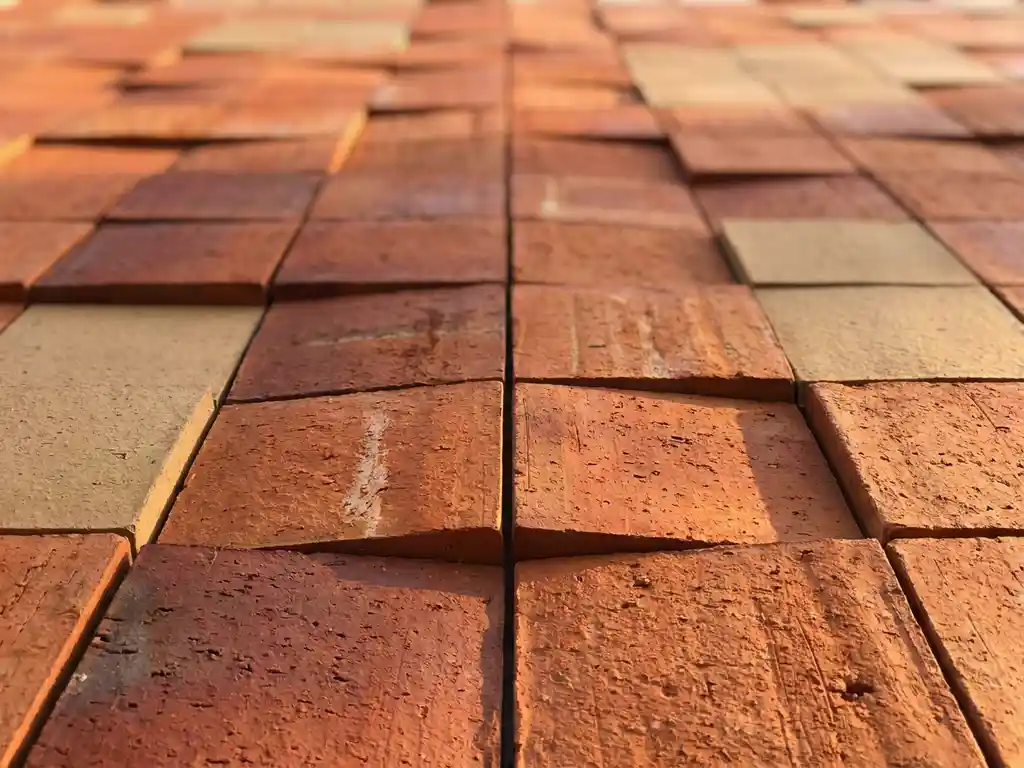
Terracotta facades deliver outstanding durability, low maintenance, and striking visual appeal, making them one of the most reliable choices in modern facade construction. Produced from natural clay and fired at high temperatures, ceramic facade systems combine timeless aesthetics with measurable technical performance. The questions below unpack the specific advantages that make terracotta cladding a compelling option for construction professionals in 2026.
How long do terracotta facades actually last?
Terracotta facades are exceptionally long-lasting. When produced using a high-temperature sintering process, ceramic elements achieve a dense, low-porosity surface that resists weathering, moisture ingress, and UV degradation over decades. Unlike many synthetic cladding materials, terracotta does not fade, warp, or degrade under prolonged sun or rain exposure, meaning the facade retains its appearance and structural integrity without periodic replacement.
The durability of terracotta cladding is rooted in the firing process itself. Temperatures exceeding 1,200 degrees Celsius transform raw clay into a material that is chemically stable and mechanically robust. This sintering process creates an unrivaled smooth, dense surface that resists biological growth, atmospheric pollutants, and the freeze-thaw cycles that damage less dense materials over time.
From a lifecycle cost perspective, this longevity translates directly into reduced maintenance expenditure and lower total cost of ownership. A facade that maintains its performance and appearance over the long term eliminates the recurring costs of recoating, resealing, or premature replacement that affect alternative cladding systems. For project managers evaluating long-term building performance, this durability record is a strong argument in favour of ceramic facade systems.
Are terracotta facades suitable for lightweight construction?
Yes, terracotta facades are well suited to lightweight construction, including timber frame buildings. Single-layer ceramic facade elements carry a surface weight of approximately 40 kilograms per square meter, which is significantly lower than many traditional masonry or stone cladding systems. This reduced dead weight allows for lighter substructures, eases structural engineering requirements, and broadens the range of building types and structures that can carry a ceramic facade.
For timber construction specifically, the low surface weight is a decisive advantage. Timber frame structures have stricter load limits than concrete or steel frames, and heavier cladding systems can require costly structural reinforcement to compensate. With terracotta ceramic elements, the substructure requirements are reduced, saving both material and installation time without compromising facade performance or appearance.
The combination of low dead weight and a non-combustible material classification makes terracotta particularly well aligned with the growing demand for sustainable, lightweight building methods. Timber construction is expanding rapidly across Europe, and facade systems that complement rather than complicate the structural logic of these buildings are increasingly valued by contractors and project managers.
How does terracotta facade installation work?
Terracotta facade installation follows a straightforward mount-and-done logic. Ceramic elements are profiled on the back and interlock directly with vertical aluminum retaining profiles fixed to the building substructure. No adhesives or complex wet trades are required. The interlocking system means panels are positioned, clicked into place, and secured in a single continuous operation, reducing installation time and the number of trades needed on site.
This mechanical fixing approach offers several practical advantages for contractors. Because the system is dry-jointed and component-based, individual panels can be replaced without disturbing the surrounding cladding. Facade systems using base clinch rails or adaptive system profiles give installers flexibility to accommodate different substructure configurations, tolerances, and building geometries without custom fabrication on site.
Precision manufacturing also contributes to installation efficiency. Terracotta elements can be produced to within one millimeter across a range of formats from 150 x 300 mm up to 400 x 1,600 mm. Consistent dimensions reduce fitting adjustments on site, keep installation sequences predictable, and support the kind of tight programme management that project managers depend on to deliver on schedule.
What fire safety rating do terracotta facades carry?
Terracotta facades carry a building material class A1 fire safety classification, the highest non-combustibility rating available under European construction standards. A1 means the material contains no combustible components and contributes nothing to fire load or flame spread. This classification applies to the ceramic elements themselves and is a direct result of the high-temperature firing process that transforms clay into a fully inorganic, mineralised material.
For construction projects where fire safety is a regulatory or contractual priority, this classification removes uncertainty. Ceramic facade systems do not require additional fire-retardant treatments or coatings to achieve compliance, and their non-combustible status is intrinsic to the material rather than dependent on surface treatments that can degrade over time.
In timber construction, where the structural frame itself carries a combustibility risk, an A1-rated facade cladding provides a meaningful layer of protection. The combination of a non-combustible exterior skin and a lightweight system compatible with timber substructures makes terracotta a particularly practical choice where fire performance and construction method must both be addressed.
What design options are available with terracotta cladding?
Terracotta cladding offers extensive design flexibility, spanning a wide range of colors, surface textures, and panel formats. Ceramic elements can be produced in natural clay tones as well as a broad palette of applied colors, and surface finishes range from smooth and glazed to structured and matte. This variety allows architects and specifiers to achieve highly differentiated facade appearances while working within a single, consistent installation system.
Format and dimension options
Panel formats range from compact 150 x 300 mm tiles to large-format elements up to 400 x 1,600 mm, giving designers control over the visual scale and rhythm of the facade. Larger formats create a contemporary, monolithic appearance, while smaller formats suit more traditional or articulated compositions. Precision manufacturing to within one millimeter ensures that mixed-format layouts remain geometrically consistent across the full facade elevation.
Surface and color variation
The surface of terracotta ceramic elements can be specified in smooth, structured, or profiled finishes, each of which interacts differently with light and shadow to create distinct visual effects. Color permanence is built into the material rather than applied as a topcoat, which means the chosen appearance is maintained throughout the facade’s service life without fading or chalking. UV resistance is a structural characteristic of the sintered ceramic, not a coating that requires maintenance or renewal. To get a hands-on impression of available finishes and colors, material samples are available for request.
How sustainable are terracotta facade systems?
Terracotta facade systems are highly sustainable across their full lifecycle. The raw material is natural clay, a mineral resource extracted without chemical processing. The finished ceramic elements are 100% recyclable, and the mechanical fixing system used in installation means the facade can be deconstructed and sorted by component type at end of life, enabling complete material reuse or recycling with minimal effort.
The absence of adhesives or sealants in the installation system is a further sustainability advantage. Bonded systems create composite waste streams that are difficult to separate and recycle. A mechanically fixed, component-based facade avoids this problem entirely, keeping material flows clean and recoverable throughout the building’s life and beyond.
Integrated graffiti protection eliminates the need for chemical cleaning treatments over the building’s operational life, reducing both maintenance intervention and the environmental impact of cleaning products. Combined with the material’s permanent UV resistance and long service life, these characteristics position terracotta cladding as a strong performer against the sustainability criteria that increasingly shape procurement decisions in construction in 2026 and beyond.
How TONALITY® helps with terracotta facade planning
TONALITY® brings together all of the advantages described in this article within a single, fully developed ceramic facade system — giving construction professionals a reliable partner from specification through to installation. Here is what TONALITY® offers in concrete terms:
- Proven performance: TONALITY® terracotta elements are sintered at over 1,200°C, delivering A1 fire classification, exceptional UV resistance, and a surface weight of approximately 40 kg/m² for compatibility with lightweight and timber frame construction.
- Design freedom: A broad range of formats, surface textures, and colors allows architects to realise differentiated facade concepts without leaving the system — from compact tiles to large-format panels up to 400 x 1,600 mm.
- Fast, clean installation: The dry-jointed interlocking system requires no adhesives or wet trades, reduces on-site labour, and allows individual panel replacement without disturbing the surrounding cladding.
- Full lifecycle sustainability: 100% recyclable ceramic elements, a component-based fixing system, and integrated graffiti protection support circular building practices and reduce long-term maintenance costs.
- Documented references: TONALITY® facades have been specified and installed across a wide range of building types — explore completed projects in the reference gallery to see the system in use.
Ready to evaluate TONALITY® for your next project? Contact the TONALITY® sales team to discuss your requirements, request technical documentation, or arrange a sample delivery.
Related Articles
- How does climate influence architectural design decisions
- What BIM data should be included when specifying ceramic cladding solutions in 2026?
- 8 Key Differences Between Terracotta and Natural Stone Facade Systems
- 5 Historic Buildings Successfully Restored with New Terracotta
- What questions should architects ask terracotta manufacturers?