

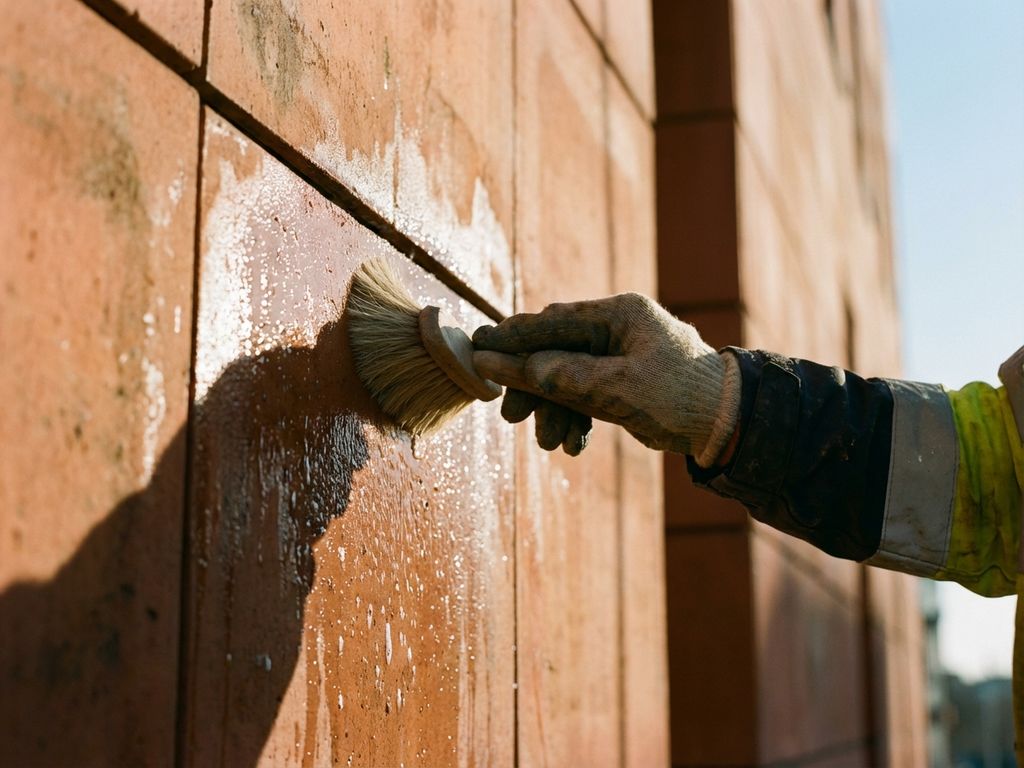
Terracotta facade maintenance involves regular inspection, cleaning, and preventive care to preserve both aesthetic appeal and structural integrity. Proper maintenance extends the lifespan of ceramic facade systems while preventing costly repairs and replacements. This comprehensive guide addresses the most common questions about maintaining terracotta facades effectively.
What is terracotta facade maintenance and why is it essential?
Terracotta facade maintenance encompasses both preventive care and corrective measures designed to preserve the structural integrity and aesthetic quality of ceramic facade systems. This includes regular inspections, cleaning, joint maintenance, and addressing issues before they become major problems.
Proper maintenance is essential because it extends the system’s lifespan significantly while maintaining the building’s visual appeal. Regular care prevents water infiltration, thermal damage, and surface deterioration that could compromise the facade’s performance. Without adequate maintenance, minor issues can escalate into costly repairs or premature replacement.
The maintenance approach protects your investment by preserving the facade’s weather resistance, thermal performance, and architectural integrity. Well-maintained terracotta facades continue to provide excellent protection against environmental elements while maintaining their original appearance for decades.
How often should you inspect and clean terracotta facade systems?
Terracotta facades require seasonal inspections, with thorough cleaning performed annually or biannually depending on environmental conditions. High-pollution areas, coastal locations, or regions with severe weather may need more frequent attention.
Conduct visual inspections every three months, checking for signs of damage, staining, or joint deterioration. Pay particular attention after severe weather events, which may cause immediate issues requiring prompt attention. Look for efflorescence, cracks, loose elements, or blocked drainage systems during these inspections.
Professional cleaning should occur annually in most environments, though buildings in heavily polluted urban areas or industrial zones may benefit from biannual cleaning. The cleaning frequency also depends on the facade’s exposure to prevailing winds, rainfall patterns, and local air quality conditions.
Immediate attention is needed when you notice water staining, loose ceramic elements, damaged joints, or any signs of water penetration behind the facade system.
What are the most effective cleaning methods for ceramic facades?
The most effective cleaning approach for ceramic facades involves gentle pressure washing with appropriate cleaning solutions, avoiding harsh chemicals or excessive pressure that could damage the ceramic surface or joint systems.
Start with low-pressure water washing to remove loose dirt and debris. For stubborn staining, use mild alkaline cleaners specifically designed for ceramic surfaces. Apply cleaning solutions from bottom to top, allowing adequate dwell time before rinsing thoroughly with clean water from top to bottom.
For different types of staining, adjust your approach accordingly:
- Organic stains respond well to mild bleach solutions
- Mineral deposits require acidic cleaners with careful application
- Graffiti requires specialised removal products designed for ceramic surfaces
- General soiling responds to alkaline detergents with soft-bristle brush agitation
Always test cleaning products on an inconspicuous area before full application, and ensure proper rinsing to prevent residue build-up that could attract future soiling.
How do you identify and address common terracotta facade problems?
Common terracotta facade problems include efflorescence, staining, joint deterioration, and thermal movement effects. Early identification allows for maintenance-level solutions rather than costly repairs or replacement.
Efflorescence appears as white, chalky deposits on the ceramic surface, typically caused by water-soluble salts migrating through the system. This usually indicates moisture issues that require investigation of the drainage system and joint integrity.
Joint deterioration manifests as cracking, shrinkage, or loss of adhesion between ceramic elements and support systems. This can lead to water penetration and requires immediate professional attention to prevent structural damage.
Thermal movement effects appear as hairline cracks or gaps between elements, particularly around building corners or expansion joints. Minor thermal movement is normal, but significant changes indicate potential structural issues requiring professional assessment.
Surface staining from environmental factors can usually be addressed through proper cleaning, while structural issues such as loose elements or significant joint failure require professional repair or replacement services.
What preventive measures extend terracotta facade lifespan?
Effective preventive measures focus on proper drainage management, regular joint maintenance, and environmental protection to minimise long-term maintenance requirements while preserving facade performance.
Maintain clear drainage paths by regularly cleaning gutters, downpipes, and facade drainage systems. Blocked drainage causes water accumulation that can lead to staining, joint deterioration, and potential structural issues over time.
Joint sealing requires periodic attention, typically every 5–10 years depending on environmental conditions. Inspect sealant condition regularly and replace deteriorated sections promptly to prevent water infiltration behind the facade system.
Environmental considerations include managing vegetation growth near the facade, ensuring adequate ventilation behind the system, and addressing any building settlement or structural movement that could affect the facade’s integrity.
Protective treatments such as anti-graffiti coatings or water-repellent applications can provide additional protection in challenging environments, though these should be compatible with the ceramic material and applied by qualified professionals.
How do TONALITY® ceramic facades simplify maintenance requirements?
TONALITY® ceramic facade systems are engineered for minimal maintenance requirements through advanced manufacturing processes, integrated protection features, and simplified installation systems that reduce long-term care needs.
The high-temperature sintering process creates exceptionally dense, smooth surfaces that resist staining and environmental degradation. This manufacturing approach delivers superior surface performance with:
- Integrated graffiti protection that simplifies cleaning
- Permanent colour stability and UV resistance
- Non-porous surfaces that prevent dirt accumulation
- Superior weather resistance, reducing maintenance frequency
- Easy cleaning with standard pressure-washing techniques
The lightweight ceramic elements and precision manufacturing ensure long-term dimensional stability, reducing thermal movement issues common with heavier facade systems. The interlocking installation system maintains consistent joint performance while allowing for natural building movement.
Ready to explore low-maintenance facade solutions for your project? Contact our technical team to discuss how TONALITY® ceramic facades can reduce your building’s long-term maintenance requirements while delivering exceptional performance and aesthetic quality. You can also explore our successful project references to see how our systems perform in real-world applications.
Related Articles
- How does a lighter ceramic facade affect transport requirements?
- Can artificial intelligence enhance architectural design workflows
- What are the structural risks of designing facades for disassembly?
- Where should movement joints be placed in terracotta cladding?
- Should you choose terracotta facades in 2026?