

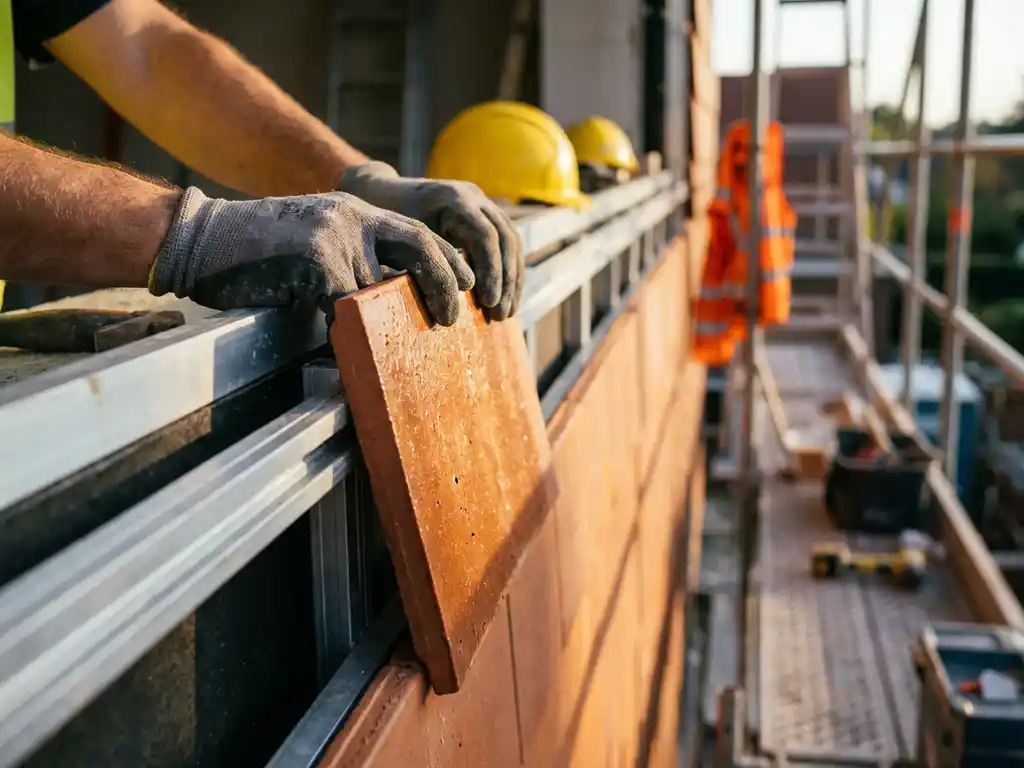
Building codes play a crucial role in terracotta façade installation, governing everything from structural requirements to fire safety standards. These regulations ensure that ceramic façade systems meet safety, performance, and accessibility requirements while protecting both occupants and the surrounding environment.
Understanding how building codes affect your terracotta façade project is essential for successful installation and compliance. From initial design through final approval, these codes shape material selection, installation methods, and long-term performance expectations.
What building codes apply to terracotta façade installation?
Terracotta façade installations must comply with multiple building codes, including structural codes, fire safety regulations, energy efficiency standards, and accessibility requirements. The primary codes governing ceramic façades are the International Building Code (IBC), local building codes, and specific façade attachment standards.
Structural building codes address load-bearing requirements, wind resistance, and seismic considerations for façade systems. Fire safety codes regulate material classifications, flame-spread ratings, and smoke-development properties. Energy codes focus on thermal performance, air infiltration, and moisture-management requirements.
Local building codes may impose additional requirements based on regional climate conditions, seismic zones, or architectural preservation standards. Many jurisdictions also require compliance with manufacturer specifications and industry standards, such as those from the Tile Council of North America or similar organizations.
How do fire safety codes affect ceramic façade design?
Fire safety codes require terracotta façades to meet specific material classifications and flame-spread ratings, with most codes mandating Class A fire-rated materials for exterior applications. Ceramic façade elements must demonstrate noncombustible properties and limited smoke production during fire exposure.
Fire-resistance requirements influence both material selection and installation methods. Ceramic façades typically excel in fire safety compliance due to their inherently noncombustible nature, often achieving the highest fire safety classifications without additional treatments.
Fire codes also address cavity-wall construction, requiring proper firestops and barriers within the façade assembly. Installation details must prevent fire spread through the wall system while maintaining the façade’s structural integrity during fire exposure. These requirements often influence the design of mounting systems and insulation placement.
What structural requirements must terracotta façades meet?
Terracotta façades must meet structural requirements for wind-load resistance, seismic forces, thermal-movement accommodation, and dead-load calculations. The façade system must transfer these loads safely to the building’s primary structural system without compromising the building’s integrity.
Wind-load requirements vary by geographic location and building height, with taller buildings facing more stringent standards. The façade attachment system must resist both positive and negative wind pressures while allowing for thermal expansion and contraction.
Seismic requirements in earthquake-prone areas demand flexible connections that allow building movement without façade failure. The structural design must also account for the façade’s dead weight, typically requiring calculations that consider both the ceramic elements and the supporting framework.
How do thermal performance codes impact façade installation?
Thermal performance codes establish minimum insulation values, air-leakage limits, and thermal-bridging restrictions that directly affect façade installation methods and details. These codes ensure energy efficiency while preventing condensation and moisture problems within the wall assembly.
Energy codes often require continuous insulation behind façade systems, influencing the attachment method and structural design. The installation must minimize thermal bridging through mounting hardware while maintaining structural integrity and weather resistance.
Moisture-management requirements under thermal codes address vapor barriers, drainage planes, and ventilation within the façade system. These requirements ensure long-term performance by preventing moisture accumulation that could compromise both the façade and the building structure.
What permits and approvals are needed for terracotta façades?
Terracotta façade installation typically requires building permits, structural engineering approvals, and, depending on local jurisdictional requirements, specialized façade system permits. The permit process usually involves submitting detailed drawings, structural calculations, and material specifications for review.
Most jurisdictions require professional engineer stamps on structural calculations and installation details. Some areas may also require special permits for façade work above certain heights or in historic districts with architectural preservation requirements.
The approval process often includes plan review, verification of material testing, and scheduled inspections during installation. Final approval may require certificates of completion and warranty documentation to ensure long-term performance and compliance.
How do accessibility codes affect ceramic façade design?
Accessibility codes primarily affect ceramic façade design at ground level and in entrance areas, requiring smooth surfaces, appropriate color contrast, and tactile considerations for individuals with visual impairments. These codes ensure façade elements do not create barriers or hazards for people with disabilities.
Ground-level façade installations must meet requirements for protruding objects, surface textures, and maintenance access. The design must avoid creating obstacles in pedestrian pathways while providing adequate clearances around building entrances.
Color-contrast requirements may influence façade design choices, particularly around doorways, windows, and other architectural features that require visual distinction for accessibility compliance. Surface-texture specifications help ensure safety while maintaining the desired aesthetic appearance.
How TONALITY® Helps with Building Code Compliance
TONALITY® ceramic façade systems are engineered to exceed building code requirements, providing architects and contractors with confidence in regulatory compliance. Our ceramic elements achieve an A1 fire rating as noncombustible materials, while the lightweight design reduces structural load requirements and simplifies permit approval processes.
Key compliance advantages include:
- Pre-engineered mounting systems that meet structural and seismic requirements
- Comprehensive technical documentation supporting permit applications
- Fire-safe ceramic materials with integrated graffiti protection
- Thermal performance data supporting energy code compliance
- Professional engineering support throughout the approval process
Our team has extensive experience working with building codes across different jurisdictions, as demonstrated in our successful project references. Contact our technical team today to discuss how TONALITY® façade systems can streamline your building code compliance and permit approval process.