

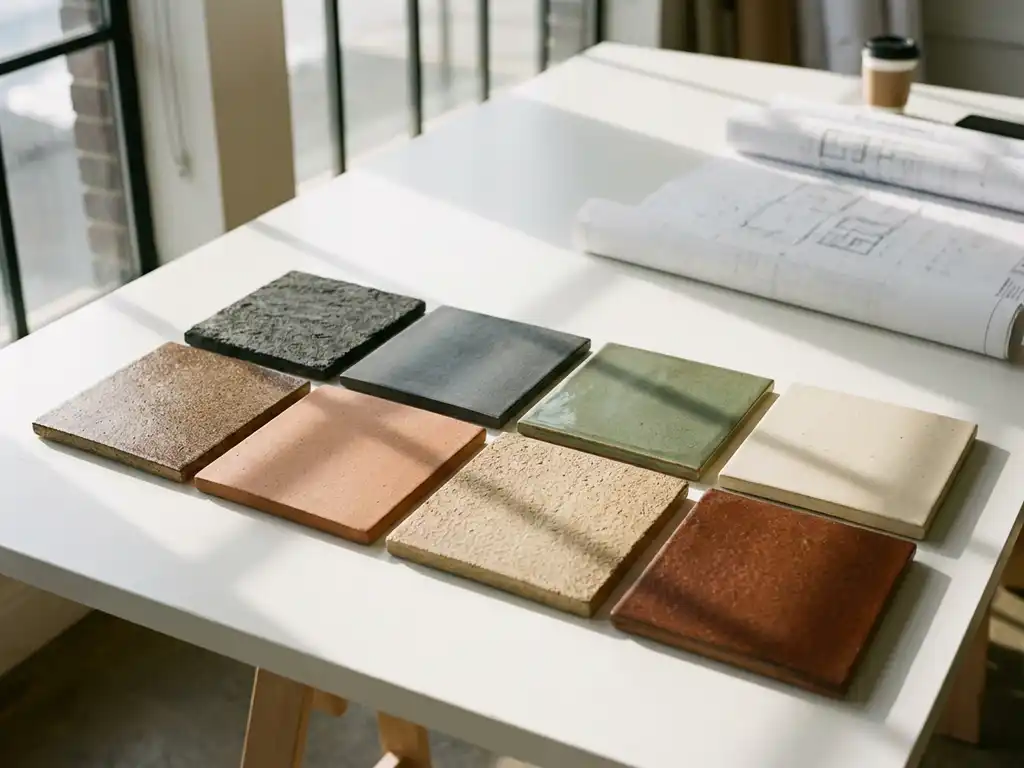
What Are the Main Types of Façade Cladding Materials Available?
The eight primary façade cladding materials for modern construction include natural stone, brick, metal panels, fiber cement, wood, composite materials, glass, and ceramic façades. Each material offers distinct characteristics in terms of aesthetics, performance, and installation requirements.
Natural stone provides timeless elegance and exceptional durability, while brick offers traditional appeal with proven longevity. Metal panels, including aluminum and steel systems, deliver contemporary aesthetics with lightweight properties. Fiber cement combines durability with design versatility, offering wood-like textures without the maintenance concerns.
Wood cladding creates warm, natural appearances but requires regular maintenance for optimal performance. Composite materials blend synthetic and natural components for enhanced weather resistance. Glass façades maximize natural light and create striking modern appearances, while ceramic façades provide superior durability with virtually unlimited design possibilities through advanced manufacturing techniques.
How Do Different Façade Materials Compare in Performance and Durability?
Ceramic and natural stone façades offer the highest durability ratings, with lifespans exceeding 50 years and minimal maintenance requirements. Metal panels and fiber cement systems typically provide 25–40 years of performance with moderate upkeep needs.
Weather resistance varies significantly across building materials. Ceramic façades excel in UV resistance and color stability, maintaining their appearance without fading or degradation. Natural stone performs exceptionally well in harsh climates but may require periodic sealing. Metal panels resist moisture effectively but can experience thermal expansion issues without proper design considerations.
Fire resistance is a critical performance factor in façade selection. Ceramic cladding options achieve an A1 non-combustible classification, providing superior fire protection. Stone and metal systems also offer excellent fire resistance, while wood and some composite materials require fire-retardant treatments to meet building codes. Maintenance requirements range from virtually maintenance-free ceramic and stone systems to wood façades that require regular treatment and refinishing.
What’s the Difference Between Installation Methods for Various Cladding Systems?
Installation methods vary from mechanical fixing systems that attach directly to structural supports to ventilated façade systems with cavity construction and adhesive-based applications for lightweight materials. The choice depends on material weight, thermal requirements, and structural considerations.
Mechanical fixing systems work well for heavier materials like natural stone and ceramic panels. These systems typically use aluminum rails or brackets that distribute loads effectively across the building envelope. The installation process involves precise measurement and secure attachment to structural elements.
Ventilated façade systems create air gaps between the cladding and the building structure, improving thermal performance and moisture management. This method suits various exterior materials, including metal panels, fiber cement, and ceramic elements. Lightweight materials like wood and some composite options may use direct fixing methods with appropriate vapor barriers and insulation layers.
Which Façade Materials Offer the Best Design Flexibility?
Ceramic façades and metal panels provide the greatest design flexibility, offering virtually unlimited color options, varied textures, and precise dimensional control. These materials can be manufactured in custom sizes and finishes to meet specific architectural requirements.
Color consistency and customization capabilities distinguish premium façade materials from standard options. Advanced manufacturing processes enable ceramic systems to achieve virtually any color specification while maintaining UV stability. Metal panels offer powder-coating and anodizing options for diverse aesthetic outcomes.
Format versatility allows architects to create unique design expressions. Modern ceramic production techniques enable panels ranging from small-format tiles to large-scale elements measuring up to 400 × 1,600 mm. Surface textures can replicate natural materials or create entirely contemporary appearances. This flexibility extends to installation patterns, joint configurations, and integration with other building materials for mixed-material façades.
How Do Façade Material Costs Compare Over the Building’s Lifetime?
Lifecycle cost analysis reveals that premium materials like ceramic and natural stone often provide superior long-term value despite higher initial investment, due to minimal maintenance requirements and extended service life. Materials requiring frequent maintenance or replacement typically cost more over the building’s lifetime.
Total cost of ownership includes material acquisition, installation labor, ongoing maintenance, and eventual replacement considerations. Low-maintenance architectural cladding systems reduce long-term expenses by eliminating cleaning, refinishing, and repair requirements. Energy performance also impacts lifecycle costs, as materials with superior thermal properties can reduce heating and cooling expenses.
Return on investment calculations should factor in durability ratings, warranty coverage, and maintenance schedules. Materials classified as maintenance-free eliminate recurring labor and material costs associated with façade upkeep. Additionally, recyclable construction materials may provide end-of-life value recovery, further improving the total cost equation for environmentally conscious building projects.
How TONALITY® Ceramic Façades Deliver Superior Performance
TONALITY® ceramic façade systems address the key selection criteria architects prioritize: exceptional durability, design flexibility, and lifecycle value. Our ceramic elements undergo special sinter firing at temperatures exceeding 1,200 degrees Celsius, creating unrivaled smooth, dense surfaces that maintain their appearance without maintenance.
Key advantages of TONALITY® systems include:
- An A1 non-combustible classification for superior fire protection
- Integrated graffiti protection and permanent UV resistance
- Lightweight construction at only 40 kg per square meter
- Precision manufacturing within a one-millimeter tolerance
- 100% recyclable materials for sustainable construction
- Simple installation with interlocking aluminum profiles
Discover how TONALITY® ceramic façades can enhance your next project with unlimited design possibilities and maintenance-free performance. View our successful project implementations and contact our technical team to discuss your specific façade material requirements and explore our comprehensive range of colors, surfaces, and formats.
Ähnliche Artikel
- How do ceramic tiles compare to other sustainable options?
- Why choose ceramic facades for architectural projects?
- What is an EPD (Environmental Product Declaration) and why should specifiers care?
- 5 Stunning Examples of Terracotta Combined with Glass, Steel, and Wood
- What is the difference between ceramic facades and traditional cladding?