

Understanding building material classifications is crucial for architects, builders, and property owners navigating modern building codes. Fire safety regulations have become increasingly stringent, with building material class A1 representing the highest standard for non-combustible materials in construction projects.
Building codes worldwide recognize different fire classification systems, with class A1 materials offering superior fire resistance and safety performance. These classifications directly affect design decisions, construction methods, and long-term building safety, making it essential to understand what qualifies for A1 certification and where these materials are required.
What is building material class A1, and why does it matter?
Building material class A1 represents the highest fire safety classification for construction materials, indicating that they are completely non-combustible and contribute no fuel to fires. Materials with an A1 classification contain no organic substances that can ignite or release flammable gases when exposed to high temperatures.
This classification matters significantly for building safety and regulatory compliance. A1 materials provide critical fire protection by preventing flame spread and reducing heat release during fire incidents. They maintain structural integrity longer under extreme heat, providing more time for evacuation and firefighting efforts. Building codes increasingly mandate A1 materials in high-risk applications, including high-rise construction, public buildings, and areas with strict fire safety requirements.
How does building material class A1 differ from other fire classifications?
Building material class A1 differs from other classifications by requiring zero combustible content, while lower classes such as A2, B, C, and D allow varying degrees of combustible materials and flame contribution. A1 materials must pass the most rigorous testing standards, with no allowance for heat release or flame spread.
The classification system progresses from A1 down to F, with each level representing increasing combustibility. A2 materials may contain limited organic content but still perform well in fire conditions. B-class materials can contribute moderately to the fire load, while C and D classes show progressively higher flame spread rates and heat release values. E and F classifications represent materials with significant fire risk that require additional protective measures or restricted use in building applications.
What materials qualify for building material class A1 certification?
Materials qualifying for building material class A1 certification include natural stone, concrete, certain ceramics, steel, aluminum, and glass, all of which contain no organic compounds that can combust. These materials must demonstrate complete non-combustibility through standardized testing procedures.
Ceramic facade materials produced through high-temperature sintering processes often achieve A1 classification due to their mineral composition and manufacturing methods. Terracotta facade systems represent an excellent example of ceramic materials that can achieve this highest fire safety rating. Traditional building materials such as brick, natural stone cladding, and concrete blocks typically qualify when properly manufactured. Metal components, including structural steel, aluminum panels, and copper elements, generally meet A1 standards. However, materials with organic binders, coatings, or composite structures rarely achieve this classification, even if their primary components are non-combustible.
How are materials tested for building material class A1 compliance?
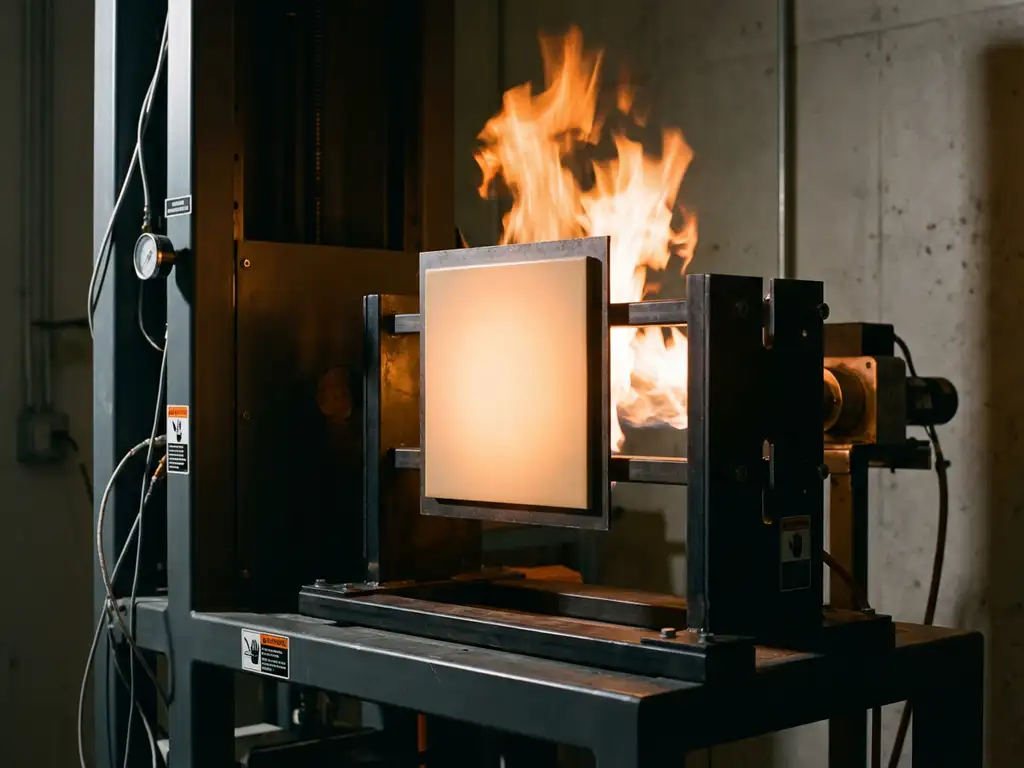
Materials undergo rigorous testing following the European standard EN 13501-1 or equivalent national standards, involving furnace tests at temperatures exceeding 750°C to measure heat release, flame spread, and smoke production. Testing laboratories evaluate samples under controlled conditions to ensure zero contribution to the fire load.
The testing process involves multiple evaluation methods. The non-combustibility test exposes samples to high temperatures while monitoring temperature rise and mass loss. Materials must show minimal temperature increase and weight reduction to pass. Additional tests may examine smoke production, flaming droplets, and sustained flaming behavior. Testing laboratories must be accredited and follow strict protocols to ensure consistent, reliable results. For detailed testing documentation and certification information, technical specifications and samples are available from certified manufacturers. Manufacturers typically submit representative samples from their production runs, and certification covers specific product formulations and manufacturing processes.
Where are building material class A1 materials required by building codes?
Building codes require class A1 materials in high-rise buildings above certain heights, escape routes, fire-rated assemblies, and buildings with high occupancy loads, such as hospitals, schools, and public assembly spaces. Requirements vary by jurisdiction but consistently target areas where fire safety is paramount.
Specific applications include external wall systems on tall buildings, where fire spread between floors poses significant risks. Interior applications often mandate A1 materials for ceiling systems, wall linings in corridors and stairwells, and structural elements in fire-rated assemblies. Many codes require A1 materials within specified distances of property boundaries or in buildings exceeding height thresholds. Timber construction projects increasingly specify A1 cladding materials to compensate for the combustible structural framework, ensuring overall building fire performance meets safety standards. Successful implementations can be seen in various completed projects that demonstrate compliance with these stringent requirements.
How TONALITY® Delivers Superior A1 Fire Performance
TONALITY® ceramic facade systems achieve building material class A1 classification through our specialized high-temperature sintering process, which eliminates all organic content and creates completely non-combustible ceramic elements. Our facades provide exceptional fire safety performance while maintaining design flexibility and long-term durability.
Key advantages of TONALITY® A1-classified ceramic facades include:
- Complete non-combustibility with zero contribution to the fire load
- Maintenance-free performance that preserves fire safety properties over decades
- Lightweight construction, reducing structural requirements while maintaining A1 performance
- Integrated fire protection suitable for timber construction and high-rise applications
- Precise manufacturing ensuring consistent A1 classification across all production runs
Contact our technical team to discuss how TONALITY® ceramic facades can meet your building code requirements while delivering outstanding aesthetic and performance benefits for your next project.
Ähnliche Beiträge
- What is the difference between glazed and unglazed terracotta for facades?
- Why do hospitals and healthcare facilities increasingly specify terracotta facades?
- What are the fire resistance properties of ceramic facades?
- What are the benefits of lightweight facade systems?
- 10 Reasons Terracotta Outperforms Aluminum Composite Panels