

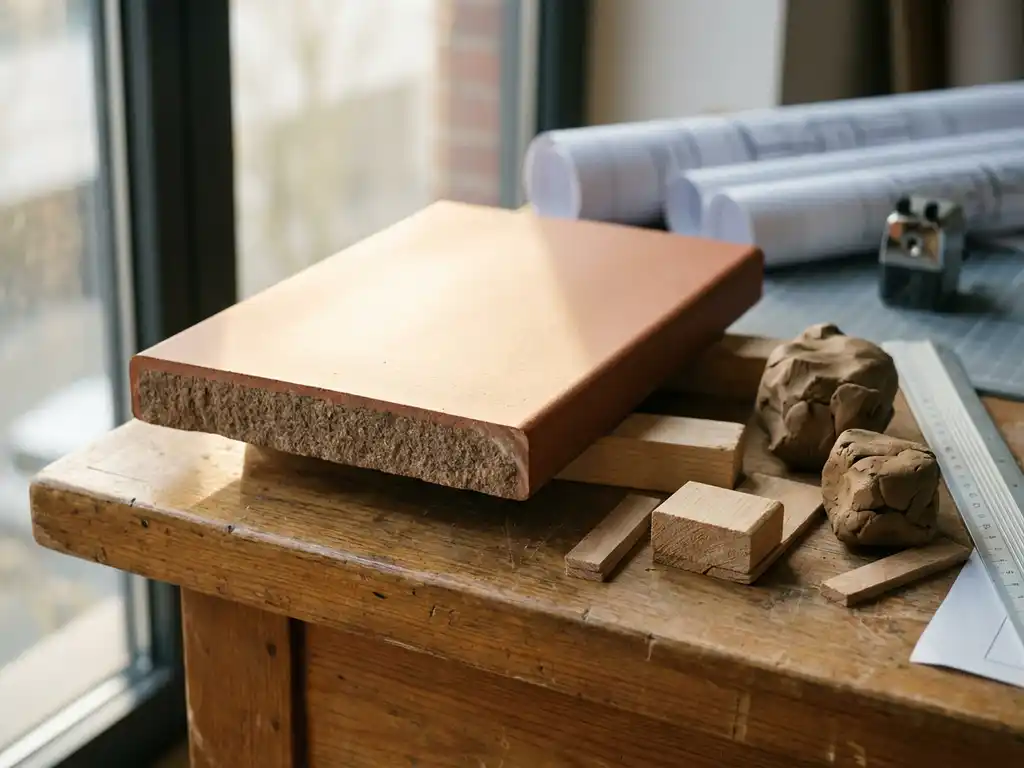
The construction industry is undergoing a significant transformation as environmental concerns drive demand for more responsible building practices. Sustainable building materials have emerged as a cornerstone of this shift, offering architects and builders the opportunity to create structures that minimize environmental impact while maintaining high performance standards.
Understanding how sustainable building materials work is essential for anyone involved in modern construction projects. These materials not only reduce the carbon footprint of buildings but also provide long-term benefits that extend far beyond the initial construction phase.
What are sustainable building materials, and why do they matter?
Sustainable building materials are construction products that minimize environmental impact throughout their entire life cycle, from raw material extraction to end-of-life disposal or recycling. These materials are designed to reduce resource consumption, lower carbon emissions, and support circular economy principles while maintaining structural integrity and aesthetic appeal.
The importance of sustainable building materials has grown dramatically, as the construction industry accounts for approximately 40% of global carbon emissions and consumes vast quantities of natural resources. By choosing sustainable alternatives, builders can significantly reduce their environmental footprint while often achieving superior long-term performance. These materials matter because they address multiple environmental challenges simultaneously: they conserve natural resources, reduce waste generation, minimize energy consumption during production, and often improve indoor air quality for occupants.
How do sustainable materials reduce environmental impact?
Sustainable materials reduce environmental impact through multiple mechanisms, including lower embodied carbon, reduced resource extraction, improved energy efficiency, and enhanced recyclability. They achieve these benefits by utilizing renewable resources, implementing efficient manufacturing processes, and designing for longevity and reuse.
The environmental benefits manifest in several key areas. During production, sustainable materials often require less energy-intensive manufacturing processes or use renewable energy sources. Many incorporate recycled content, reducing demand for virgin materials and diverting waste from landfills. Throughout a building’s operational life, these materials can improve thermal performance, reducing heating and cooling energy requirements. At end of life, truly sustainable materials can be recycled, repurposed, or safely returned to natural systems without causing environmental harm.
What types of sustainable building materials are available?
Sustainable building materials encompass a wide range of products, including recycled steel and aluminum, reclaimed wood, bamboo, cork, natural stone, ceramic products, bio-based insulation, and innovative composites made from agricultural waste. Each category offers specific environmental advantages and performance characteristics suited to different construction applications.
Natural materials like bamboo and cork are rapidly renewable, while recycled metals offer durability with reduced embodied energy. Ceramic materials, produced from abundant clay resources, deliver exceptional longevity and can be fully recycled. Bio-based insulation materials reduce dependence on petroleum-based products while providing excellent thermal performance. Reclaimed materials give new life to existing resources, preventing waste while adding character to new construction.
How do ceramic facades contribute to sustainable construction?
Ceramic facades contribute to sustainable construction through their exceptional durability, low maintenance requirements, complete recyclability, and production from abundant natural clay resources. These facades can last for decades without replacement while maintaining their appearance and performance, significantly reducing life-cycle environmental impact.
The sustainability benefits of ceramic facades extend throughout their entire life cycle. During manufacturing, advanced firing processes create dense, non-porous surfaces that resist weathering, UV degradation, and chemical damage. This durability translates to minimal maintenance needs over the building’s lifetime, eliminating the need for regular cleaning, painting, or repairs that consume resources and generate waste. The lightweight nature of modern ceramic facade systems also reduces structural requirements, enabling more efficient building designs. At the end of their service life, ceramic elements can be completely recycled into new products, supporting circular economy principles.
What makes a building material truly sustainable?
A truly sustainable building material must demonstrate environmental responsibility across its entire life cycle, from raw material sourcing through manufacturing, use, and end-of-life management. This includes utilizing renewable or abundant resources, employing energy-efficient production methods, providing long-term durability, and enabling complete recyclability or safe disposal.
True sustainability requires a holistic approach that considers multiple factors simultaneously. The material should be sourced responsibly without depleting natural resources or causing ecological damage. Manufacturing processes should minimize energy consumption and emissions while avoiding toxic substances. During use, the material should contribute to building performance through properties like thermal efficiency, durability, and improved indoor air quality. Finally, end-of-life considerations must include options for reuse, recycling, or safe biodegradation without environmental harm.
How TONALITY® Ceramic Facades Support Sustainable Construction
TONALITY® ceramic facades exemplify sustainable building materials through their comprehensive environmental benefits and exceptional performance characteristics. Our ceramic elements are manufactured from high-quality clay deposits in the Westerwald region using advanced sinter-firing processes that create incredibly durable, maintenance-free surfaces.
Key sustainability advantages of TONALITY® facades include:
- Complete recyclability with 100% material recovery potential
- A1 fire-rating classification as non-combustible building materials
- Lightweight design, reducing structural requirements and transportation impacts
- Permanent color and UV resistance, eliminating maintenance needs
- Integrated graffiti protection, reducing cleaning requirements
- Precision manufacturing, minimizing material waste during installation
Ready to incorporate truly sustainable ceramic facades into your next project? Contact our technical team to explore how TONALITY® can help you achieve your sustainability goals while delivering outstanding architectural performance and long-term value. You can also explore our successful project references to see how other architects have integrated sustainable ceramic facades into their designs.
Ähnliche Beiträge
- Can terracotta facade panels be recycled or reused at end of life?
- 7 Ways to Create Depth and Shadow Effects with 3D Terracotta Panels
- How do terracotta facades perform in coastal and high-salinity environments?
- 10 Laboratory Tests Every Terracotta Facade System Should Pass
- Can ceramic facades help meet fire safety building codes?
Ähnliche Artikel
- What are A1 rated sustainable building materials?
- What are the environmental benefits of recyclable facades?
- 5 World-Class Universities That Specified Terracotta Facades
- What quality certifications should architects look for in terracotta products?
- 7 Facade Materials Compared: 50-Year Total Cost of Ownership