

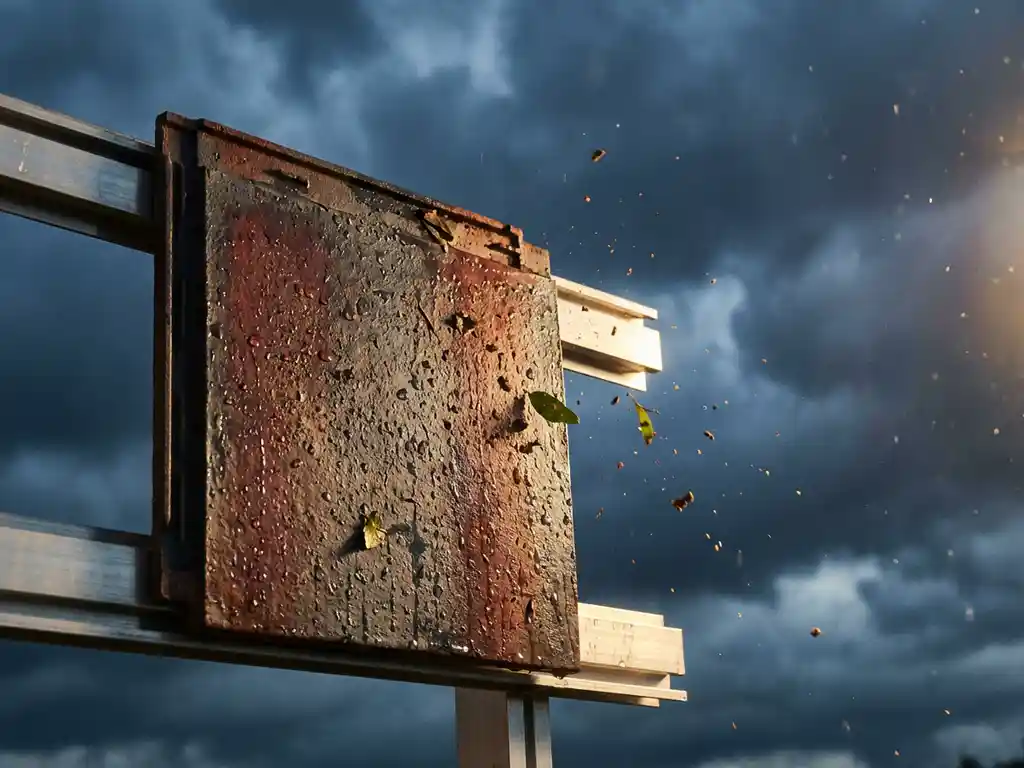
When architects and builders select sustainable building materials, they often focus on environmental benefits such as recyclability and low carbon footprints. However, the true test of any sustainable material comes when it faces nature’s most challenging conditions. From scorching desert heat to freezing Arctic winds, from hurricane-force storms to relentless UV radiation, sustainable building materials must prove their durability to deliver on their long-term environmental promises.
The performance of sustainable building materials in extreme weather conditions determines not only a building’s longevity but also the credibility of its environmental credentials. A material that fails prematurely under harsh conditions negates its sustainability benefits, requiring replacement and generating waste. Understanding how different sustainable materials respond to weather extremes helps architects and specifiers make informed decisions that balance environmental responsibility with structural integrity.
What makes a building material truly sustainable in extreme weather?
A truly sustainable building material for extreme weather combines exceptional durability with minimal environmental impact throughout its entire life cycle. This means the material must resist degradation from temperature fluctuations, moisture, UV radiation, and physical stress while maintaining its structural and aesthetic properties for decades without requiring frequent maintenance or replacement.
The sustainability equation becomes more complex when extreme weather enters the picture. Materials must demonstrate resistance to thermal expansion and contraction, which can cause cracking and structural failure over time. They should also maintain their insulation properties and structural integrity when exposed to rapid temperature changes, high winds, and moisture infiltration.
Key characteristics of weather-resistant sustainable materials include low porosity to prevent water absorption, chemical stability to resist UV degradation, and thermal mass properties that help regulate temperature fluctuations. The manufacturing process should also minimize environmental impact while producing materials that won’t contribute to waste streams through premature failure.
How do ceramic facades handle temperature extremes and thermal cycling?
Ceramic facades excel in temperature extremes due to their fired-clay composition, which creates a dense, non-porous surface that resists thermal expansion and contraction. The high-temperature firing process, typically exceeding 1,200 degrees Celsius, creates materials that remain stable across wide temperature ranges without cracking or degrading.
The thermal-cycling performance of ceramic materials stems from their crystalline structure, which forms during the sintering process. This structure allows ceramic facades to expand and contract uniformly, preventing the stress concentrations that cause other materials to fail. Unlike materials with varying coefficients of thermal expansion, high-quality ceramic facade systems maintain consistent dimensional stability.
Ceramic facades also provide excellent thermal mass, helping to moderate temperature swings in buildings. This thermal inertia reduces stress on building systems and contributes to energy efficiency by dampening extreme temperature fluctuations. The material’s ability to withstand freeze-thaw cycles makes it particularly valuable in climates with significant seasonal temperature variations.
Which sustainable materials perform best in high winds and storms?
Fiber cement, engineered stone, and high-fired ceramic materials demonstrate superior performance in high winds and storms due to their combination of strength, low weight, and secure attachment systems. These materials resist impact damage while maintaining structural integrity under extreme wind loads.
The key to storm resistance lies in both material properties and installation methods. Materials with high tensile strength and impact resistance, such as dense ceramic tiles, can withstand debris impacts without shattering. Equally important is the attachment system, which must transfer wind loads effectively to the building structure without creating stress concentrations.
Lightweight sustainable materials offer advantages in storm conditions by reducing the overall load on attachment points. However, they must be properly secured to prevent uplift in high winds. Modern ceramic facade systems often feature interlocking profiles that distribute loads across multiple attachment points, reducing the risk of localized failure during extreme weather events.
How does UV exposure affect the longevity of sustainable facade materials?
UV exposure causes photodegradation in many building materials, leading to color fading, surface chalking, and structural weakening over time. However, inorganic sustainable materials such as ceramic, natural stone, and mineral-based composites demonstrate exceptional UV resistance because their molecular structure remains stable under solar radiation.
The impact of UV radiation varies significantly among sustainable material types. Organic materials, including some bio-based composites and natural-fiber products, may experience polymer-chain breakdown when exposed to prolonged UV radiation. This degradation not only affects appearance but can also compromise structural properties and reduce service life.
Ceramic materials offer permanent UV resistance because their fired-clay composition contains no organic compounds that can degrade under solar exposure. The mineral pigments used in ceramic facades are typically metal oxides that remain colorfast indefinitely, ensuring consistent appearance throughout the material’s service life. This UV stability contributes significantly to the long-term sustainability of ceramic facade systems.
What role does moisture management play in sustainable material performance?
Moisture management is critical to sustainable material performance because water infiltration can cause freeze-thaw damage, promote biological growth, and accelerate chemical degradation processes. Effective moisture management requires materials with low water-absorption rates and facade systems designed to shed water quickly while allowing vapor transmission.
The porosity of sustainable materials directly affects their moisture performance. Dense, low-porosity materials such as well-fired ceramics resist water penetration, preventing the internal moisture accumulation that leads to freeze-thaw damage and efflorescence. These materials also dry quickly after rain events, reducing the time available for moisture-related degradation processes.
Proper moisture management extends beyond material selection to include system design. Ventilated facade systems allow air circulation behind the cladding, promoting drying and preventing condensation buildup. This approach is particularly important for sustainable materials in humid climates or areas with significant temperature variations that can cause condensation within wall assemblies.
How TONALITY® Delivers Extreme Weather Performance
TONALITY® ceramic facades provide exceptional performance in extreme weather conditions through advanced manufacturing processes and innovative system design. Our ceramic elements undergo sinter firing at temperatures exceeding 1,200 degrees Celsius, creating dense, non-porous surfaces that resist temperature extremes, UV radiation, and moisture infiltration while maintaining their structural and aesthetic properties for decades.
Key performance advantages include:
- Building material class A1 certification for non-combustible performance in extreme heat
- Permanent color and UV resistance that eliminates fading and degradation
- Low surface weight of 40 kg/m² that reduces wind-load stress on structures
- Integrated moisture management through low porosity and quick-drying surfaces
- Thermal-cycling resistance from uniform ceramic composition and an interlocking installation system
- 100% recyclability that maintains sustainability credentials throughout the building life cycle
Ready to specify facade materials that deliver lasting performance in any climate? Contact our technical team to discuss how TONALITY® ceramic systems can meet your project’s extreme weather requirements while supporting your sustainability goals. You can also explore our proven project references to see how our materials perform in real-world extreme weather conditions.
Ähnliche Beiträge
- What is building material class A1 in building codes?
- What acoustic benefits do terracotta facades provide?
- How do sustainable materials reduce construction costs?
- What makes terracotta safer than ACM panels after Grenfell?
- What sustainable materials work best for timber construction?
Ähnliche Artikel
- What acoustic insulation benefits do terracotta ventilated facades provide?
- What is an EPD (Environmental Product Declaration) and why should specifiers care?
- How to Evaluate and Shortlist Terracotta Manufacturers for Your Project
- 10 Technical Tests Every Terracotta Facade Should Pass
- How do terracotta facades improve building energy efficiency?