

How do terracotta ventilated facades reduce noise levels?
Terracotta ventilated facades reduce noise levels through a combination of mass density, air-cavity insulation, and sound-wave disruption. The ceramic material’s dense composition naturally blocks sound transmission, while the ventilated cavity behind the cladding creates an additional acoustic barrier that absorbs and deflects noise before it reaches the building structure.
The effectiveness of sound insulation in ventilated facade systems stems from their multilayered construction. When sound waves encounter the outer ceramic layer, the material’s high density and low porosity prevent most noise from penetrating. Any sound that does pass through the first barrier then encounters the air cavity, which acts as a buffer zone where sound waves lose energy and disperse.
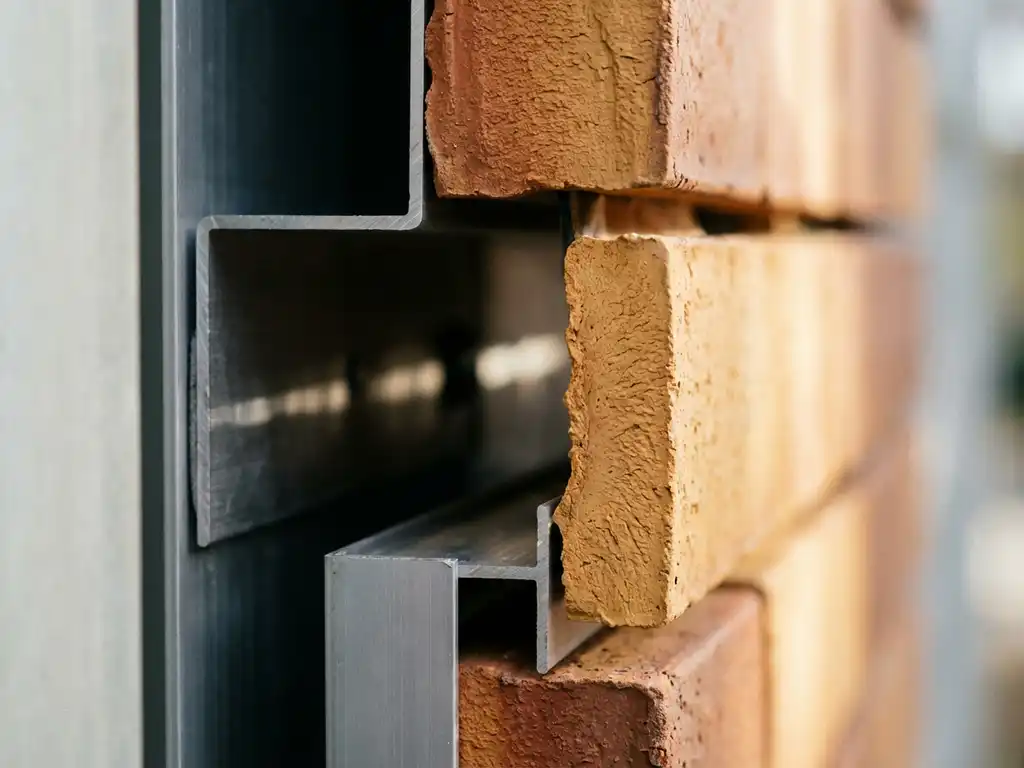
The ventilation aspect plays a crucial role in acoustic performance by creating discontinuous air movement within the cavity. This airflow disrupts sound-wave patterns and prevents the formation of standing waves that could otherwise amplify noise transmission. Additionally, the mounting system’s design minimizes direct contact points between the outer cladding and the inner structure, reducing vibration transfer that could carry sound through solid materials.
What acoustic performance levels can ceramic facades achieve?
Ceramic facades typically achieve sound reduction values between 45 and 55 decibels (dB) when properly installed as part of a complete wall system. The exact acoustic performance depends on ceramic thickness, cavity depth, insulation materials, and the overall wall construction behind the facade cladding.
Professional acoustic testing shows that ceramic facade systems can meet demanding building-acoustics standards for various applications. In urban environments where traffic noise ranges from 60 to 80 dB, a well-designed ceramic facade system can reduce interior noise levels to comfortable levels below 35 dB. The material’s natural density and firing process create a consistent barrier that performs reliably across different frequency ranges.
Acoustic performance improves significantly when ceramic facades are combined with appropriate insulation materials within the cavity. Mineral wool or similar acoustic insulation can boost overall sound reduction by an additional 10 to 15 dB compared with systems that have an empty cavity. This combination approach allows ceramic facade systems to meet stringent acoustic requirements for residential buildings, offices, and educational facilities in noise-sensitive locations.
What’s the difference between the acoustic performance of ventilated and solid facades?
Ventilated ceramic facades typically outperform solid facade systems by 15 to 25% in acoustic insulation due to their dual-barrier design and air-cavity buffer zone. Solid facades rely solely on material mass for sound blocking, while ventilated systems combine material density with cavity acoustics for superior noise reduction.
Solid facade systems depend entirely on the acoustic properties of their single-layer construction. While ceramic materials naturally provide good sound insulation through their density, solid installations create direct pathways for vibration transfer from exterior to interior surfaces. This direct connection can allow low-frequency sounds to transmit through the structure more readily.
Ventilated facade systems create acoustic advantages through their separated construction approach. The air cavity acts as a decoupling mechanism that breaks the direct sound-transmission path. When sound waves enter the cavity space, they encounter multiple reflective surfaces and lose energy through dispersion. The mounting system’s design further reduces vibration transfer by minimizing rigid connections between the outer cladding and structural elements.
The ventilation aspect also helps prevent acoustic issues that can occur in sealed systems, such as pressure buildup that might compromise sealing effectiveness. Controlled airflow within the cavity helps maintain consistent acoustic performance across varying weather conditions and temperature changes.
How does ceramic material composition affect sound insulation?
Ceramic material composition directly impacts sound insulation through density, porosity, and structural integrity achieved during the firing process. High-temperature sintering above 1,200°C creates dense, low-porosity ceramics that effectively block sound transmission, while the clay mineral composition determines the material’s acoustic mass and vibration-damping properties.
The firing temperature plays a crucial role in developing acoustic properties in ceramic facades. High-temperature processing creates a vitrified surface structure with minimal air pockets or weak points where sound could penetrate. This sintering process bonds clay particles into a homogeneous material that maintains consistent acoustic performance across the entire facade surface.
Clay composition affects the final density and acoustic characteristics of ceramic elements. High-quality clay deposits with appropriate mineral content produce ceramics with superior mass-to-thickness ratios, maximizing sound-blocking capability without excessive weight. The uniform particle distribution achieved through proper clay preparation ensures consistent acoustic performance across different production batches.
Surface texture and finish treatments can influence acoustic performance by affecting how sound waves interact with the facade surface. Smooth, dense surfaces reflect more sound energy away from the building, while textured surfaces may provide some sound-scattering benefits. The ceramic manufacturing process allows for precise control over these surface characteristics to optimize both aesthetic and acoustic properties.
How TONALITY® helps with acoustic insulation
TONALITY® ceramic facade systems deliver exceptional acoustic performance through our specialized sinter-firing process and ventilated installation design. Our ceramic elements achieve superior sound insulation through high-density construction and precise manufacturing that ensures consistent acoustic properties across every installation.
Key acoustic advantages of TONALITY® systems include:
- Dense ceramic construction fired at temperatures exceeding 1,200°C for optimal sound blocking
- Ventilated cavity design that creates dual-barrier acoustic protection
- Lightweight installation at only 40 kg/m² that doesn’t compromise acoustic performance
- Precise manufacturing tolerances that eliminate acoustic weak points
- Interlocking profile system that maintains acoustic integrity across the entire facade
Ready to enhance your building’s acoustic comfort with high-performance ceramic facades? Contact our technical team to discuss how TONALITY® systems can meet your specific sound-insulation requirements and building design goals.