

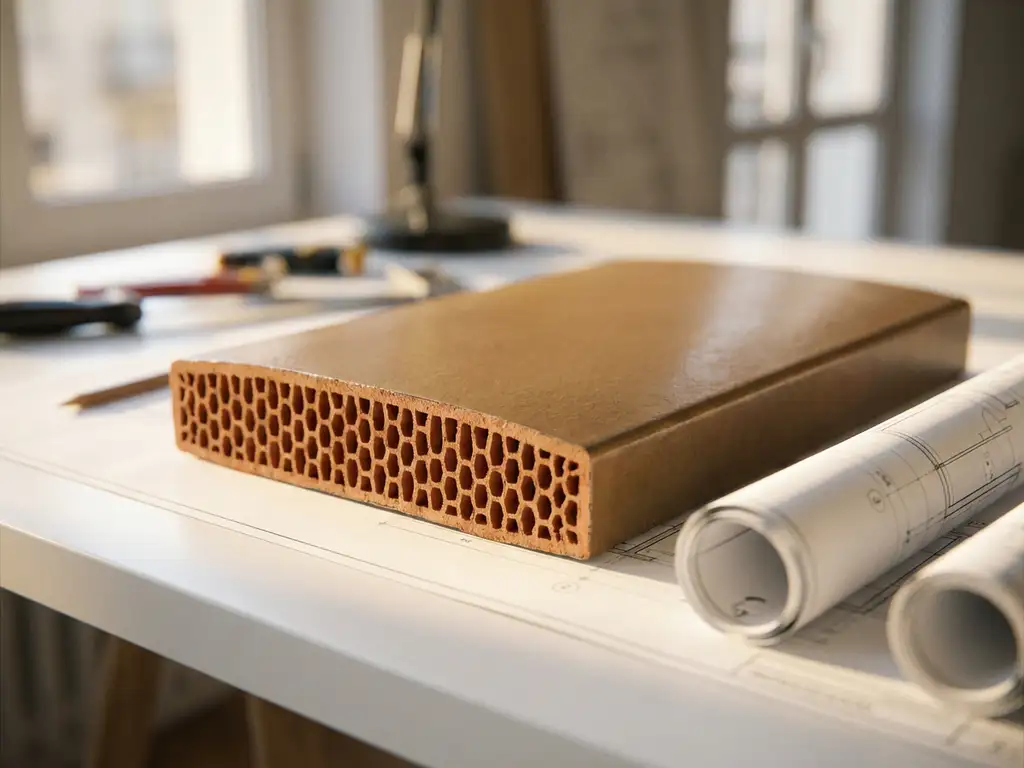
Sustainable building materials are transforming how we approach energy efficiency in construction, offering solutions that reduce both environmental impact and operational costs. As building codes become stricter and energy costs continue to rise, architects and builders are increasingly turning to materials that provide superior thermal performance while supporting long-term sustainability goals.
These innovative materials go beyond traditional construction approaches by integrating energy-saving properties directly into the building envelope. From advanced ceramic facades to high-performance insulation systems, sustainable building materials create structures that naturally consume less energy while maintaining optimal comfort levels year-round.
What are sustainable building materials, and how do they impact energy efficiency?
Sustainable building materials are construction products designed to minimize environmental impact while maximizing performance, durability, and energy efficiency throughout their life cycle. These materials typically feature low embodied energy, recycled or recyclable content, and properties that actively reduce a building’s energy consumption through improved thermal performance, airtightness, and moisture management.
The impact on energy efficiency comes through multiple mechanisms. High-performance materials create better thermal barriers, reducing heat transfer between interior and exterior environments. This means heating and cooling systems work less to maintain comfortable temperatures. Additionally, sustainable materials often provide superior air-sealing capabilities, preventing energy loss through unwanted air infiltration.
Many sustainable materials also offer thermal mass benefits, storing and releasing heat to help regulate indoor temperatures naturally. Materials such as ceramic facades and advanced concrete systems can absorb heat during warm periods and release it when temperatures drop, significantly reducing mechanical heating and cooling demands.
How do ceramic facades improve a building’s thermal performance?
Ceramic facades enhance thermal performance through their dense, non-porous structure and excellent thermal mass properties, creating effective barriers against heat transfer while providing natural temperature regulation. The high-temperature firing process used in ceramic production creates materials with strong performance characteristics and minimal thermal bridging.
The thermal mass of ceramic materials allows them to absorb heat during peak temperature periods and release it gradually, moderating temperature swings and reducing HVAC loads. This thermal flywheel effect is particularly beneficial in climates with significant day-night temperature variations, where the facade can store solar heat during the day and release it during cooler evening hours.
Ceramic facades also provide excellent airtightness when properly installed, eliminating gaps and thermal bridges that allow unwanted heat transfer. The precision manufacturing of ceramic elements ensures consistent performance across the entire building envelope, while their low surface weight allows for continuous insulation systems without structural complications.
What’s the difference between traditional and sustainable facade materials for energy efficiency?
Traditional facade materials such as vinyl, aluminum siding, and basic masonry typically focus on weather protection with minimal energy performance, while sustainable facade materials integrate thermal efficiency, durability, and environmental benefits into their core design. Sustainable options generally provide superior insulation values, longer life spans, and reduced maintenance requirements.
Traditional materials often create thermal bridges and gaps that compromise energy efficiency. Aluminum siding, for example, conducts heat readily and requires additional insulation layers to achieve adequate thermal performance. Standard brick and concrete block construction can be energy-efficient but often lacks the precision and integrated design features of modern sustainable alternatives.
Sustainable facade materials address these limitations through advanced manufacturing processes and materials science. They typically offer better dimensional stability, reducing gaps that develop over time. Many sustainable options also integrate multiple functions—such as moisture management, fire resistance, and thermal performance—into single-layer systems that outperform traditional multi-layer approaches.
How do sustainable materials reduce long-term building energy costs?
Sustainable materials reduce long-term energy costs by improving building envelope performance, requiring minimal maintenance, and maintaining their energy-saving properties over extended periods without degradation. These materials create more stable indoor environments that require less mechanical heating and cooling throughout their operational life.
The durability advantage is significant for cost reduction. While traditional materials may degrade, warp, or develop gaps over time, high-quality sustainable materials maintain their thermal performance characteristics for decades. This consistency means energy savings compound over time rather than diminishing as the building ages.
Maintenance requirements also affect long-term costs. Sustainable materials such as ceramic facades resist UV degradation, moisture damage, and thermal cycling that cause traditional materials to fail. This durability translates to lower replacement costs and sustained energy performance, while the building maintains its efficiency ratings for financing and valuation purposes.
Which sustainable building materials offer the best energy efficiency benefits?
High-performance ceramic facades, advanced insulation systems, and thermally broken window assemblies provide the greatest energy efficiency benefits among sustainable building materials. These materials combine superior thermal properties with long-term durability and minimal environmental impact throughout their life cycle.
Ceramic facade systems stand out for their combination of thermal mass, precision manufacturing, and integrated installation systems. Their non-combustible properties also eliminate concerns about insulation performance degradation due to fire-safety treatments. The material’s resistance to UV radiation and thermal cycling ensures consistent performance over decades.
Advanced insulation materials such as aerogel-enhanced systems and vacuum-insulated panels offer exceptional R-values in minimal thickness, making them ideal for retrofits and space-constrained applications. Triple-glazed windows with low-emissivity coatings and thermally broken frames provide significant improvements over standard glazing systems, particularly in heating-dominated climates.
How TONALITY® Delivers Superior Energy Efficiency
TONALITY® ceramic facade systems provide exceptional energy efficiency through precision-manufactured elements that create continuous thermal barriers with minimal thermal bridging. Our ceramic tiles are produced using advanced sinter-firing processes at temperatures exceeding 1,200 degrees Celsius, creating dense, non-porous surfaces that deliver consistent thermal performance across the entire building envelope.
Key energy efficiency benefits include:
- Superior thermal mass properties that naturally regulate indoor temperatures
- Precision manufacturing to within one millimeter, ensuring tight joints and minimal air infiltration
- Low surface weight allowing for continuous insulation systems without structural complications
- A1 fire classification, maintaining performance without fire-retardant treatments that can degrade over time
- Permanent color and UV resistance, ensuring long-term thermal stability
Ready to improve your building’s energy efficiency with sustainable ceramic facades? Contact our technical team to discuss how TONALITY® systems can optimize thermal performance for your next project while supporting your sustainability goals. You can also explore our project references to see how these energy-efficient solutions have been successfully implemented in real-world applications.
Ähnliche Artikel
- Wie wird ein Schulgebäude energetisch saniert?
- 5 Landmark Historic Buildings Successfully Restored with Custom Terracotta
- 10 Reasons Architects Choose Terracotta Over Aluminum Composite Panels
- How long does custom terracotta panel manufacturing typically take?
- How do BAS terracotta installation methods work?