

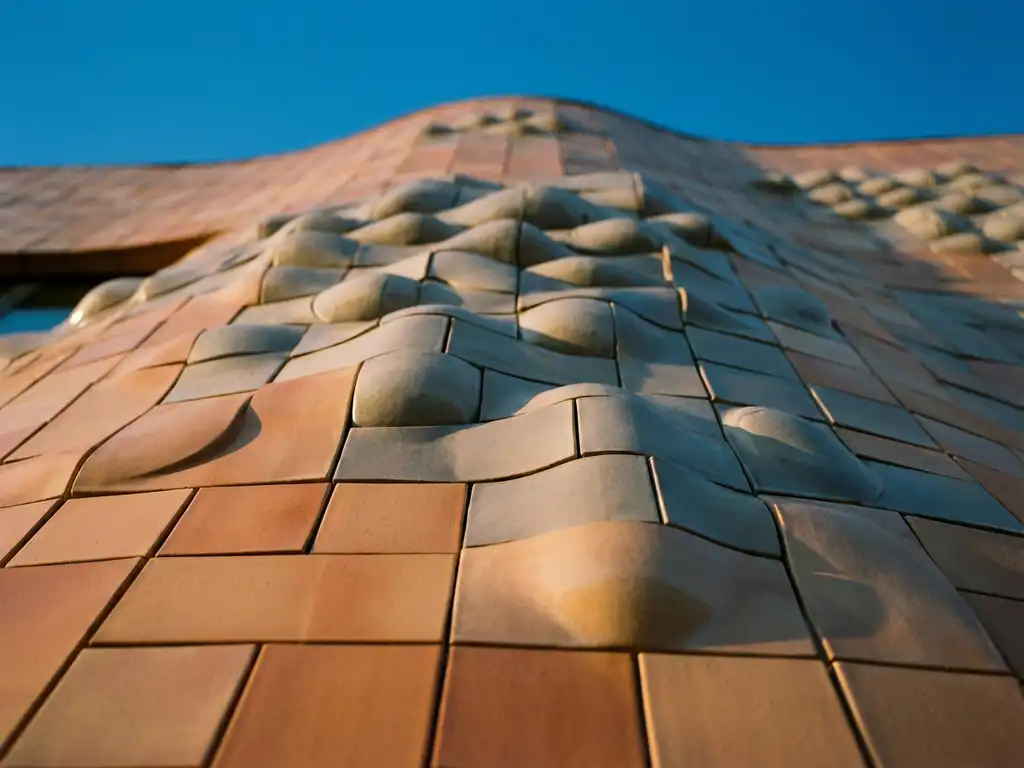
Parametric design has revolutionized modern architecture by introducing computational thinking into the creative process. This innovative approach uses algorithms and mathematical parameters to generate and modify architectural forms, allowing architects to explore complex geometries and optimize building performance in ways that were previously impossible.
As architectural design becomes increasingly sophisticated, parametric methods offer architects unprecedented control over form, function, and environmental response. Understanding this technology-driven design philosophy is essential for anyone involved in contemporary architectural practice.
What is parametric design in architecture?
Parametric design in architecture is a computational design method that uses algorithms and mathematical parameters to generate and control architectural forms. Rather than drawing fixed shapes, architects define relationships between design elements that can be adjusted through variable parameters, enabling rapid iteration and optimization of complex geometries.
This approach fundamentally changes how architects think about design. Instead of creating static drawings, designers establish rules and relationships that govern how building elements interact. When parameters change, the entire design updates automatically while maintaining the defined relationships. This creates a dynamic design environment in which architects can explore thousands of variations quickly and efficiently.
The parametric method enables architects to handle complexity that would be nearly impossible to manage through traditional design methods. Complex curved surfaces, intricate structural systems, and environmentally responsive facades become manageable when their underlying logic is defined parametrically.
How does parametric design work in architectural practice?
Parametric design works by establishing mathematical relationships between design elements through algorithms and variables. Architects input parameters such as site conditions, program requirements, or aesthetic preferences, and the software generates design solutions that respond to these inputs automatically.
The process begins with architects defining the design logic through visual programming interfaces or scripting languages. They establish rules for how elements relate to each other, such as how a building’s form responds to sun angles or how structural members adapt to changing loads. These relationships are encoded as parameters that can be adjusted in real time.
When parameters change, the entire model updates instantly. For example, adjusting a building’s height parameter might automatically recalculate structural sizing, update facade patterns, and modify interior layouts according to the predefined relationships. This allows architects to test multiple scenarios rapidly and understand the cascading effects of design decisions.
What are the main benefits of parametric design for architects?
The main benefits of parametric design include rapid design iteration, optimization capabilities, and the ability to manage complex geometries efficiently. Architects can explore thousands of design variations quickly while maintaining design intent and automatically optimizing for performance criteria such as structural efficiency or environmental response.
Parametric tools excel at handling repetitive elements with variations, such as facade systems or structural components. Instead of manually adjusting each element, architects define the variation logic once and apply it across the entire system. This approach significantly reduces design time while ensuring consistency and accuracy throughout the project.
The optimization capabilities are particularly valuable for performance-driven design. Parametric models can automatically adjust building orientation, window sizing, or shading systems to optimize for energy performance, daylighting, or structural efficiency. This integration of performance analysis with design generation leads to more responsive and sustainable architectural solutions.
What software tools are used for parametric architecture?
The most widely used parametric design tools include Grasshopper for Rhino, Dynamo for Revit, and specialized platforms such as Bentley GenerativeComponents. These visual programming environments allow architects to create complex algorithms through node-based interfaces without extensive coding knowledge.
Grasshopper has become the industry standard for parametric design due to its intuitive interface and extensive plugin ecosystem. It integrates seamlessly with Rhino’s modeling environment and supports advanced analysis tools for structural, environmental, and fabrication optimization. The platform’s flexibility makes it suitable for everything from conceptual massing studies to detailed fabrication drawings.
Dynamo offers similar capabilities within the Autodesk ecosystem, providing parametric tools that work directly with Revit models. This integration is particularly valuable for projects requiring Building Information Modeling coordination. Other specialized tools include CATIA for complex surface modeling and custom scripting environments using Python or C# for highly specific applications.
What are real-world examples of parametric architecture?
Notable examples of parametric architecture include the ongoing completion of the Sagrada Família, the Beijing National Stadium by Herzog & de Meuron, and the Heydar Aliyev Center by Zaha Hadid Architects. These projects demonstrate parametric design’s ability to create complex geometries while optimizing structural and environmental performance.
The Beijing National Stadium showcases parametric design’s structural optimization capabilities. The seemingly random steel framework was generated through algorithms that optimized material distribution while creating the desired visual effect. This approach reduced material usage while maintaining structural integrity across the complex curved surfaces.
Contemporary facade systems increasingly rely on parametric design to create responsive building skins. These systems automatically adjust panel sizes, perforation patterns, or shading angles based on solar orientation, view requirements, and structural constraints. The result is facades that perform better environmentally while creating visually striking architectural expressions, as demonstrated in various successful project implementations.
What challenges do architects face with parametric design?
The primary challenges include a steep learning curve in computational thinking, increased complexity in design coordination, and potential overreliance on algorithmic solutions. Architects must develop new skills in logical thinking and basic programming while maintaining their design sensibility and creative judgment.
Coordination becomes more complex when parametric models interact with traditional design processes and construction methods. Contractors and consultants may not understand parametric logic, requiring architects to translate computational designs into conventional documentation formats. This translation process can introduce errors or diminish the parametric model’s optimization benefits.
There is also a risk that algorithmic complexity will overshadow architectural quality. Parametric tools can generate visually impressive forms that lack spatial quality or fail to address human needs effectively. Successful parametric design requires balancing computational capabilities with fundamental architectural principles and user experience considerations.
How TONALITY® Supports Parametric Facade Design
TONALITY® ceramic facade systems are ideally suited to parametric architectural design, offering the precision and flexibility that computational design demands. Our ceramic elements can be manufactured to tolerances of within one millimeter across formats ranging from 150 x 300 mm to 400 x 1,600 mm, enabling architects to realize complex parametric geometries with confidence.
Key advantages for parametric projects include:
- Precise dimensional control that matches parametric model specifications
- Lightweight construction at only 40 kg per square meter, reducing structural requirements for complex geometries
- A simple installation system that accommodates parametric variations efficiently
- A wide range of colors and surfaces for responsive facade patterns
- A1 fire classification, ensuring safety across all design iterations
Our technical team works directly with architects to translate parametric designs into manufacturable ceramic solutions, ensuring your computational creativity becomes built reality. Contact TONALITY® to discover how our precision ceramic systems can bring your parametric architectural visions to life.
Related Articles
- 6 Terracotta Specification Errors That Lead to Costly Failures
- Terracotta vs GFRC Panels: Weight, Cost, and Design Flexibility Compared
- How do terracotta facades improve indoor air quality?
- How long does custom terracotta manufacturing take?
- What is the difference between a ventilated facade and a rainscreen system for circularity?