

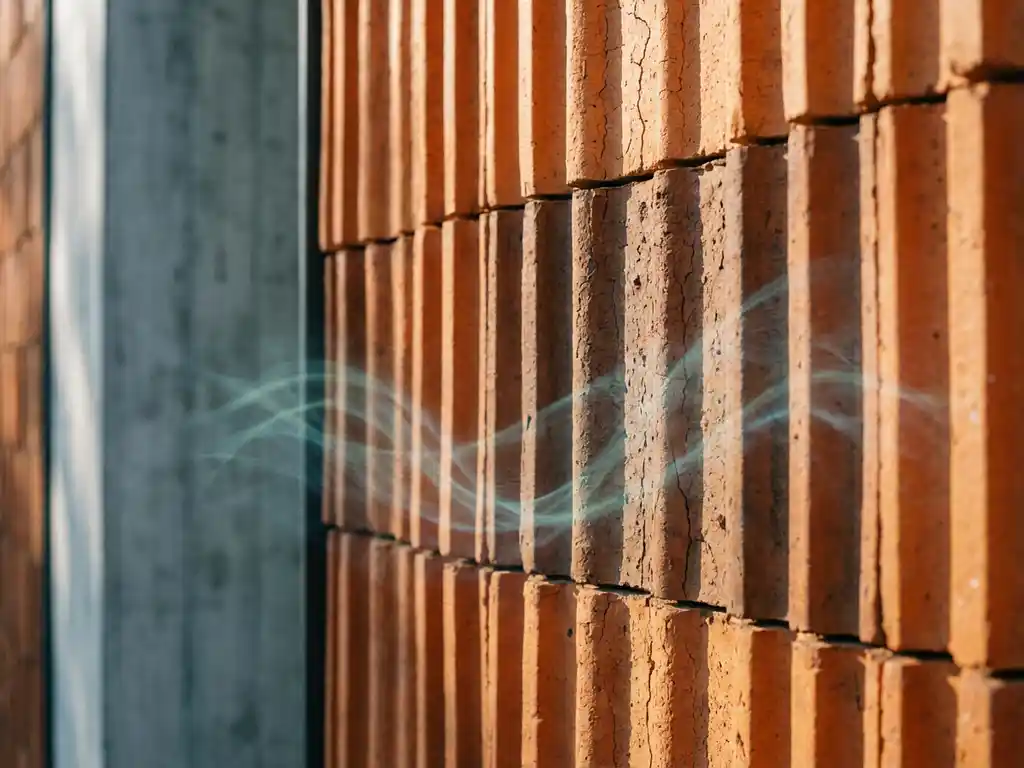
Terracotta facades provide significant acoustic benefits through their dense material composition and sound-absorbing properties. These ceramic facade systems can reduce noise levels by several decibels while offering superior sound insulation compared with many traditional building materials. The acoustic performance depends on installation methods, material thickness, and proper system integration with building structures.
What makes terracotta facades effective for sound control?
Terracotta facades excel at sound control due to their dense ceramic composition and unique physical properties that naturally absorb and deflect sound waves. The material’s high density creates an effective barrier against airborne noise, while its fired ceramic structure provides excellent mass that helps block sound transmission.
The surface texture of terracotta tiles plays a crucial role in acoustic performance. Unlike smooth materials that reflect sound waves directly, terracotta’s slightly textured surface helps scatter and absorb sound energy. This reduces echo effects and prevents sound from bouncing back into the environment.
The porosity level of terracotta, achieved through the high-temperature firing process, creates microscopic air pockets within the material. These tiny spaces trap sound waves and convert acoustic energy into minimal heat, contributing to the overall noise reduction capabilities of the facade system.
How much noise reduction can terracotta facades actually provide?
Terracotta facade systems typically achieve noise reduction levels of 35–45 decibels when properly installed with appropriate backing materials and air gaps. This performance level makes them highly effective for urban environments where traffic noise and other environmental sounds need mitigation.
Several factors influence the acoustic performance of terracotta facades. The thickness of the ceramic elements directly impacts sound insulation capabilities, with thicker tiles providing better noise reduction. The installation method, including the use of insulation backing and proper air-gap spacing, significantly affects overall acoustic effectiveness.
Compared with other facade materials, terracotta performs exceptionally well in sound insulation. While lightweight metal panels may achieve a 20–30-decibel reduction, and standard brick facades typically provide 30–35 decibels, quality terracotta systems consistently deliver superior acoustic performance across various frequency ranges.
What types of buildings benefit most from terracotta’s acoustic properties?
Buildings in high-noise urban environments benefit most from the acoustic properties of terracotta facades. These include residential developments near busy roads, commercial buildings in city centres, and mixed-use developments where noise control is essential for occupant comfort and productivity.
Educational facilities, healthcare buildings, and office complexes particularly value terracotta’s sound insulation capabilities. Schools near airports or main roads use terracotta facades to create quieter learning environments, while hospitals benefit from reduced external noise that could disturb patient recovery.
Hotels and residential buildings along transportation corridors find terracotta facades invaluable for maintaining interior comfort. The material’s ability to reduce traffic noise, railway sounds, and general urban noise makes it ideal for buildings where occupant satisfaction depends on acoustic comfort.
How does installation method affect the acoustic performance of terracotta facades?
Proper installation techniques are critical for maximising acoustic performance in terracotta facade systems. The mounting system, air-gap spacing, and integration with insulation materials directly determine how effectively the facade reduces noise transmission into the building interior.
Air gaps between the terracotta elements and the building structure create additional sound barriers. These spaces, typically 25–50 mm wide, provide acoustic decoupling that prevents sound vibrations from transferring directly through the facade system. Proper ventilation within these gaps also prevents moisture build-up while maintaining acoustic benefits.
The backing insulation material and its installation quality significantly impact overall sound insulation effectiveness. High-density mineral wool or similar acoustic insulation materials, when properly integrated with the terracotta mounting system, can enhance noise reduction by an additional 5–10 decibels compared with installations without acoustic backing.
How TONALITY® ceramic facades enhance acoustic comfort
TONALITY® ceramic facade systems deliver exceptional acoustic solutions through their precision-engineered ceramic elements and innovative installation methods. The single-layer production process creates consistently dense ceramic tiles with optimal sound-absorbing properties, while the lightweight design allows for flexible installation with enhanced acoustic backing systems.
Key acoustic advantages of TONALITY® systems include:
- Dense ceramic composition fired at over 1,200°C for superior sound-barrier properties
- Interlocking profile system that minimises sound bridges and thermal transfer
- Lightweight design allowing for thicker insulation backing without structural concerns
- Precise manufacturing tolerances ensuring consistent acoustic performance across the facade
- Flexible mounting system accommodating various acoustic insulation configurations
The aluminium retaining profile system creates optimal air gaps for acoustic decoupling while maintaining structural integrity. This combination of dense ceramic elements and proper acoustic installation delivers superior noise reduction for buildings requiring enhanced sound control.
For detailed acoustic performance specifications and installation guidance tailored to your project’s noise-control requirements, contact our technical team to discuss how TONALITY® ceramic facades can enhance your building’s acoustic comfort.
Related Articles
- Can ceramic manufacturing produce fire resistant materials?
- How do terracotta facades reduce a building's heat island effect?
- How long does custom terracotta panel manufacturing typically take?
- 8 Questions to Ask Before Specifying Terracotta Facades
- What is the difference between ceramic facades and traditional cladding?