

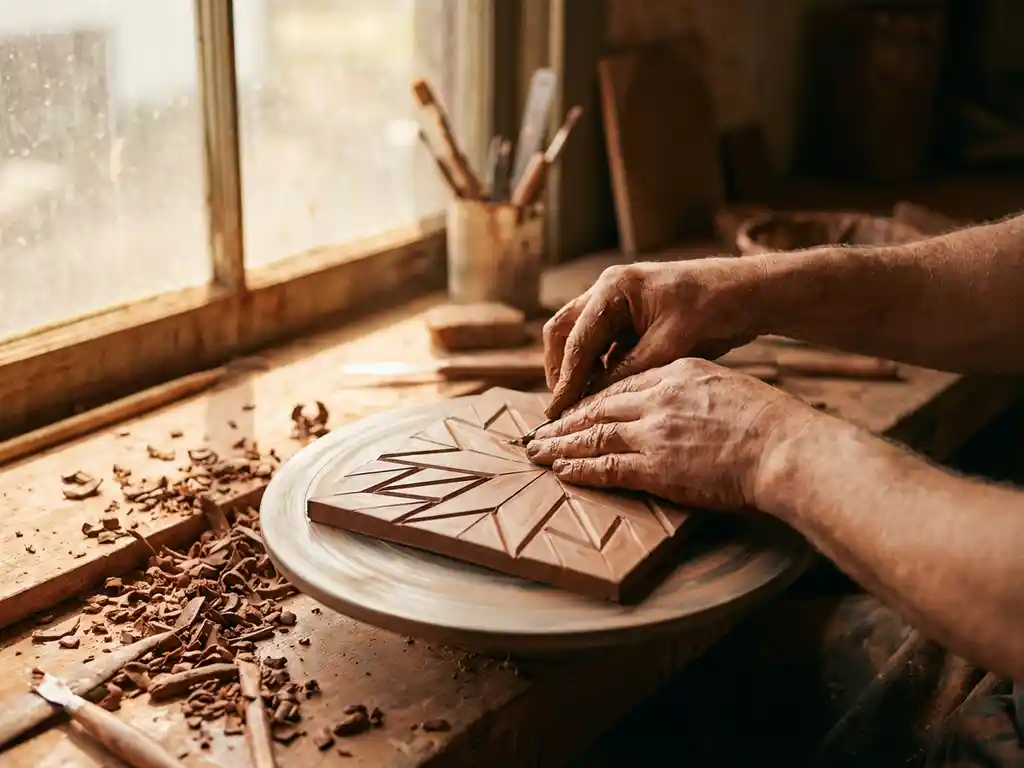
Ceramic manufacturing has evolved far beyond producing simple tiles and basic shapes. Today’s advanced ceramic manufacturing processes can create highly customized forms, from intricate architectural elements to precision-engineered components. This capability opens up exciting possibilities for architects, designers, and builders who want to push the boundaries of what’s possible with ceramic façades and architectural elements.
The question isn’t whether ceramic manufacturing can create custom shapes, but rather what’s achievable—and how these specialized processes work. Modern ceramic production facilities combine traditional craftsmanship with cutting-edge technology to deliver precisely engineered custom solutions.
What Custom Shapes Can Ceramic Manufacturing Produce?
Ceramic manufacturing can produce virtually any custom shape within structural and firing limitations, including curved panels, angular geometries, perforated designs, and complex three-dimensional forms. The primary constraints are the requirements of the firing process and the structural integrity of the final product.
Commonly produced custom ceramic shapes include curved façade panels that follow building contours, corner elements with precise angles, perforated screens with intricate patterns, and dimensional tiles with raised or recessed features. Manufacturers can create elements ranging from small decorative accents to large architectural panels measuring several meters in length.
The versatility extends to surface treatments as well. Custom shapes can incorporate various textures, from smooth, polished finishes to deeply embossed patterns. Some manufacturers specialize in creating ceramic elements that mimic natural materials such as stone or wood while maintaining ceramic’s superior performance characteristics.
How Are Custom Ceramic Shapes Actually Made?
Custom ceramic shapes are created through a multi-step process involving digital design, precision molding or cutting, and specialized high-temperature firing. The process begins with detailed technical drawings and often includes 3D modeling to ensure structural viability and aesthetic accuracy.
The manufacturing process typically follows these key stages:
- Digital design development and structural analysis
- Custom mold creation or precision cutting of raw ceramic material
- Shaping and forming using specialized equipment
- Controlled drying to prevent cracking or warping
- High-temperature firing, often exceeding 1,200 degrees Celsius
- Quality control and precision measurement
Advanced ceramic manufacturing facilities use computer-controlled equipment to ensure millimeter-precise accuracy. The firing process is particularly critical for custom shapes, as uneven heating can cause warping or structural failure. Specialized kilns and firing schedules are often required for complex geometries.
What’s the Difference Between Standard and Custom Ceramic Production?
Standard ceramic production uses established molds and processes for high-volume manufacturing, while custom ceramic production requires specialized tooling, modified firing schedules, and individual quality control for each unique piece.
Standard production benefits from economies of scale, with manufacturers producing thousands of identical pieces using proven processes. This approach allows for consistent quality, predictable lead times, and streamlined quality control procedures. Standard ceramic elements typically follow industry-standard dimensions and can be produced continuously.
Custom ceramic production, by contrast, requires significant upfront investment in design development and specialized tooling. Each custom project may require unique molds, modified firing curves, and individual testing protocols. Production runs are typically smaller, and each piece may require individual inspection and measurement.
The technical complexity also differs significantly. Standard shapes have been tested extensively, and their behavior during firing is well understood. Custom shapes may require test firings and prototype development to ensure the final product meets structural and aesthetic requirements.
How Much Do Custom Ceramic Shapes Cost Compared to Standard Tiles?
Custom ceramic shapes require a higher initial investment due to specialized design, tooling, and production processes, but the long-term value proposition often justifies the premium through enhanced building performance, reduced maintenance requirements, and unique aesthetic appeal.
The investment difference stems from several factors unique to custom production. Design development requires specialized engineering and testing, while custom tooling represents a significant upfront expense. Smaller production runs mean higher per-unit manufacturing costs, and specialized quality control procedures add additional time and resources.
However, custom ceramic shapes often deliver superior long-term value through enhanced building performance. Precisely fitted elements reduce installation time and improve weatherproofing. The durability and low maintenance requirements of high-quality ceramic elements can reduce lifecycle costs compared to materials that require regular maintenance or replacement.
The total cost of ownership calculation should include factors such as installation efficiency, maintenance savings, energy-performance benefits, and the extended lifespan of ceramic façades. Many projects find that the initial investment premium is offset by these long-term advantages.
How TONALITY® Helps with Custom Ceramic Facade Manufacturing
TONALITY® specializes in creating precisely engineered custom ceramic façade elements using premium Westerwald clay and advanced sinter-firing processes. Our custom manufacturing capabilities include:
- Millimeter-precise formatting for elements ranging from 150 x 300 mm up to 400 x 1,600 mm
- Over 50 color options with permanent UV resistance
- Various surface finishes, from smooth to textured
- Specialized back-profiling for seamless integration with aluminum retaining systems
- A1-class fire-protection properties ideal for complex architectural applications
Our specialized sinter-firing process, at temperatures exceeding 1,200 degrees Celsius, creates unrivaled smooth, dense surfaces that maintain their appearance and performance for decades. The lightweight design of our custom elements—at only 40 kilograms per square meter—enables innovative architectural solutions with reduced structural requirements.
Ready to explore custom ceramic façade solutions for your project? Contact TONALITY® to discuss your specific requirements and discover how our advanced ceramic manufacturing capabilities can bring your architectural vision to life.
Related Articles
- How does architectural design impact property value?
- What is the difference between glazed and unglazed terracotta facades?
- Should developers use material passports for terracotta facade systems?
- What is the carbon footprint of terracotta facades?
- How do you choose the right insulation system for facade renovation?