

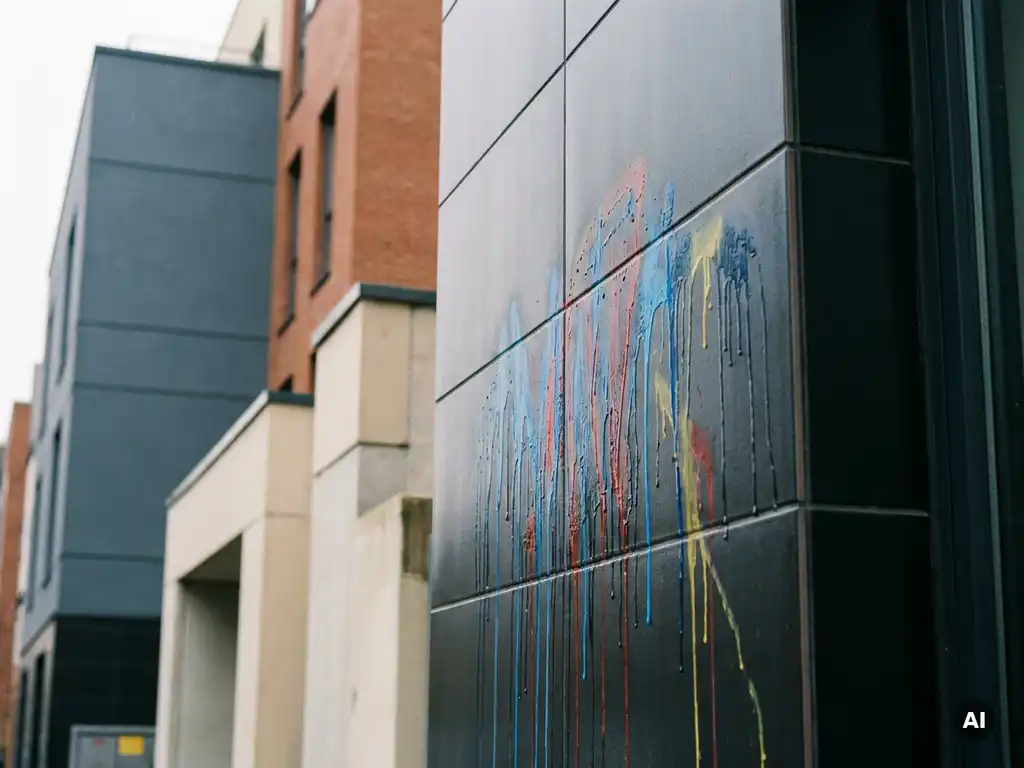
Vandalism is a persistent challenge for building owners, facility managers, and architects alike. Whether it’s graffiti on a ground-floor panel or deliberate surface damage, the consequences go beyond aesthetics: repeated cleaning, panel replacement, and reactive maintenance all add up over a building’s lifetime. The good news is that many of these costs can be reduced significantly through smart facade design decisions made at the planning stage. The following seven strategies cover material selection, surface treatment, and system design to help you build a more vandalism-resistant facade from the ground up.
How facade materials and design deter vandalism
Not all facades invite the same level of damage. Surface porosity, material hardness, panel accessibility, and color choice all influence how easy a facade is to deface and how difficult it is to restore. A well-designed facade can make vandalism harder to execute, easier to clean, and simpler to repair when it does occur. The decisions made during specification have a direct impact on long-term maintenance effort and lifecycle cost.
1: Choose non-porous surface materials
The single most effective way to reduce graffiti damage is to start with a surface that does not absorb paint. Porous materials like untreated concrete, natural stone, or standard brick allow spray paint to penetrate the surface layer, making complete removal difficult and often leaving ghost stains even after professional cleaning.
Dense, sintered materials with low water absorption resist paint adhesion at the surface level. This means cleaning agents work more effectively and the facade can often be restored without aggressive abrasives that would otherwise degrade the material over time.
For high-exposure locations such as ground-floor retail frontages, transit hubs, and underpasses, non-porous surfaces are the most practical long-term choice. The reduced cleaning effort translates directly into lower maintenance costs across the building’s service life.
2: Integrate built-in graffiti protection
Some facade systems include graffiti protection as a permanent, integral feature rather than a coating applied after installation. This distinction matters because applied anti-graffiti coatings degrade over time, require reapplication, and may alter the visual appearance of the facade surface.
Integrated graffiti-protection facade solutions eliminate this maintenance cycle entirely. Protection is built into the material itself, meaning it does not wear away with UV exposure, cleaning cycles, or weathering. This is especially valuable for facades in urban environments where graffiti incidents are frequent and cleaning needs to be fast and repeatable.
When specifying a facade system, always ask whether graffiti resistance is a coating or an inherent material property. The answer has significant implications for lifecycle maintenance planning.
3: Select textured surfaces strategically
Surface texture plays a dual role in facade vandalism prevention. Deeply textured or heavily profiled surfaces can make spray painting more difficult because paint distributes unevenly and is harder to apply in legible patterns. However, the same texture can make cleaning more labor-intensive if paint does penetrate into recesses.
The most effective approach is a moderate, controlled texture: enough visual interest to make the surface less appealing as a blank canvas, but smooth enough at the micro-level to prevent paint absorption. Surfaces that are visually complex but physically dense offer the best of both properties.
Architects specifying facades for vandalism-prone locations should review available surfaces and formats carefully and consider how texture interacts with both the building’s aesthetic and its maintenance requirements.
4: Design out accessible flat surfaces
Vandals typically target surfaces that are easy to reach and easy to work on. Large, uninterrupted flat panels at ground level are the most common target. Facade design can reduce this vulnerability through deliberate layout choices that break up accessible surface area.
Strategies include introducing horizontal breaks, recesses, or projections at lower facade levels; using planting, street furniture, or bollards to create physical distance from the facade surface; and varying panel orientation to reduce the visual appeal of large, continuous flat areas.
These design decisions do not need to compromise the building’s appearance. In many cases, the articulation they introduce adds visual depth and architectural interest while simultaneously reducing vandalism exposure.
5: Use color and pattern to mask minor damage
Even with the best protective measures in place, minor surface damage and residual marking can occur. Facade color and pattern choices influence how visible this damage is between cleaning cycles and how urgently it needs to be addressed.
Mid-tone colors and patterns with visual complexity are more forgiving than large areas of uniform light or white surfaces, where even minor marks are immediately visible. Multicolored or variegated surface treatments can absorb small imperfections without drawing attention to them.
This approach does not mean accepting a lower standard of appearance. It means making design choices that maintain a consistently presentable facade even under real-world urban conditions. For inspiration on how color and format choices translate in practice, reviewing completed facade references can be a useful starting point.
6: Opt for replaceable facade panel systems
No matter how resilient a facade material is, severe or repeated vandalism may eventually require panel replacement. Facade systems designed for individual panel replacement offer a significant advantage here: damaged sections can be removed and replaced without dismantling adjacent areas or undertaking disruptive, large-scale remediation work.
Ventilated facade systems with mechanical fixing profiles typically allow this kind of targeted replacement. The key specification requirement is that replacement panels can be sourced to match the original in color, format, and surface finish, even years after initial installation.
This replaceability also supports a longer overall facade lifespan. Rather than replacing an entire facade section because of localized damage, building owners can address specific panels and maintain the building’s appearance at a fraction of the effort and resources.
7: Specify non-combustible, durable material classes
Facade vandalism is not limited to graffiti. Deliberate fire damage is a documented risk for facades in certain urban environments, and material class has a direct bearing on how a facade responds to this threat. Materials classified as non-combustible building material class A1 contain no combustible components and will not contribute to fire spread.
Beyond fire resistance, material class correlates strongly with long-term durability. Materials that withstand extreme firing temperatures during manufacture tend to be denser, harder, and more resistant to the physical abrasion that comes with cleaning and environmental exposure over decades.
For building facade protection that covers the full range of risks, specifying non-combustible materials in durable classes is a baseline requirement rather than an optional upgrade. This is particularly relevant for timber-frame construction, where facade fire performance has direct implications for the structural system behind it.
How TONALITY® helps with facade vandalism prevention
TONALITY® ceramic facade systems are designed to address the full range of challenges described in this article. Produced through a special sinter-firing process at temperatures exceeding 1,200 degrees Celsius, TONALITY® ceramic elements achieve a dense, non-porous surface that resists paint absorption and simplifies graffiti removal. Key features that make TONALITY® a strong choice for vandalism-resistant facade design include:
- Integrated graffiti protection as a permanent material property, not a degrading coating
- Building material class A1 classification, meaning non-combustible with no combustible components
- Permanent UV and color resistance, so the facade retains its appearance without fading or surface degradation
- Replaceable panel system with interlocking aluminum retaining profiles, allowing individual panel replacement with minimal disruption
- Wide range of formats and surfaces, from 150 x 300 mm up to 400 x 1,600 mm, supporting the kind of design variation that reduces accessible flat surfaces
- Low surface weight of approximately 40 kg per square meter, making the system practical for a wide range of building types, including timber construction
If you are planning a project where facade durability, low maintenance, and long-term appearance matter, TONALITY® offers a concrete solution backed by over two decades of manufacturing experience. Request samples and technical documentation to evaluate the system for your specific requirements.
[cta_contact_form]
For project-specific advice or to discuss your facade specification in detail, the TONALITY® team is available to support architects, specifiers, and building owners at every stage of the planning process. Get in touch with the sales team to start the conversation.