

Ceramic facades have become increasingly popular in modern architectural design, offering architects and builders a sophisticated solution that combines aesthetic appeal with exceptional performance. These advanced building systems represent a significant evolution from traditional cladding materials, delivering superior durability, design flexibility, and environmental benefits that make them an ideal choice for contemporary construction projects.
As architectural design continues to emphasize sustainability and long-term performance, ceramic facade systems provide the perfect balance of form and function. Understanding the key advantages and capabilities of ceramic facades can help architects make informed decisions that benefit both their projects and their clients over the building’s entire life cycle.
What are ceramic facades and how do they work?
Ceramic facades are external cladding systems made from fired clay materials that are engineered to provide weather protection and aesthetic appeal for buildings. These systems consist of ceramic tiles or panels that are manufactured through high-temperature firing processes, typically exceeding 1,200 degrees Celsius, which creates dense, durable surfaces with exceptional weather resistance.
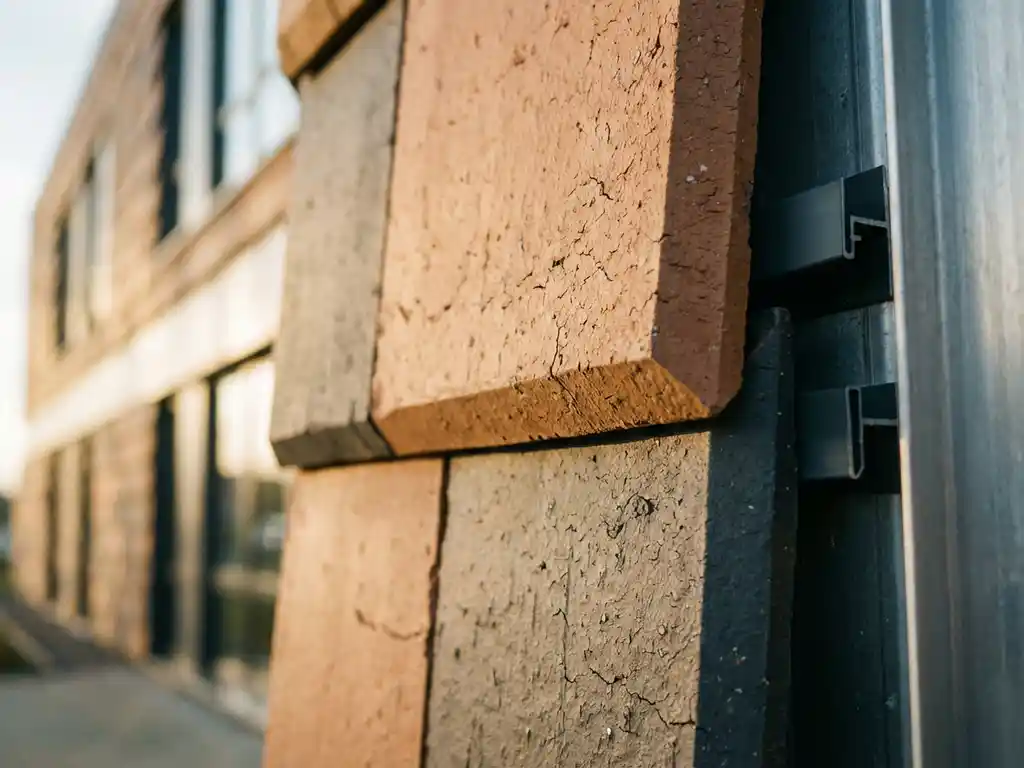
The ceramic elements feature specially designed rear profiles that interlock with vertical aluminum support systems, creating a secure mounting structure. This interlocking design allows for thermal movement while maintaining a weathertight seal. The ceramic tiles are precisely manufactured to tight tolerances, ensuring a consistent appearance and reliable performance across the entire facade surface.
Modern ceramic facade systems operate on the principle of rainscreen cladding, in which the ceramic elements form the outer protective layer while allowing air to circulate behind the panels. This design prevents moisture buildup and provides excellent thermal performance, making the system highly effective in a wide range of climate conditions.
Why are ceramic facades better than traditional cladding materials?
Ceramic facades outperform traditional cladding materials through superior durability, lower maintenance requirements, and enhanced fire-resistance properties. Unlike materials such as fiber cement, metal panels, or composite materials, ceramic facades maintain their appearance and structural integrity for decades without requiring regular maintenance or replacement.
The key advantages include permanent color stability and UV resistance, which prevent fading or deterioration that commonly affects other facade materials. Ceramic surfaces are naturally resistant to weathering, chemical exposure, and biological growth, eliminating the need for regular cleaning treatments or protective coatings that traditional materials require.
Fire safety represents another critical advantage, as ceramic materials are classified as building material class A1, meaning they are completely noncombustible. This classification provides superior fire protection compared with composite panels or timber cladding systems, making ceramic facades particularly valuable for high-rise construction and buildings with stringent fire-safety requirements.
How easy is it to install ceramic facade systems?
Modern ceramic facade systems are designed for straightforward installation using simple mounting procedures that significantly reduce construction time and labor requirements. The installation process typically involves mounting vertical aluminum profiles to the building structure and then securing the ceramic elements to these profiles using the interlocking rear-profile system.
The lightweight nature of ceramic elements, which typically weigh about 40 kilograms per square meter, allows for lighter substructure requirements compared with heavier cladding materials such as natural stone. This reduced weight makes ceramic facades particularly suitable for timber construction and retrofit applications where structural loading is a concern.
Installation efficiency is further enhanced by the precise manufacturing tolerances of ceramic elements, which can be produced to an accuracy of within one millimeter. This precision eliminates the need for extensive on-site adjustments and ensures consistent joint widths and alignment throughout the facade installation process.
What design possibilities do ceramic facades offer architects?
Ceramic facades provide architects with virtually unlimited design possibilities through extensive options in colors, surface textures, and formats that can be customized to meet specific architectural requirements. The manufacturing process allows for precise color matching and the creation of unique surface finishes ranging from smooth and glossy to textured and matte.
Format flexibility represents a significant design advantage, with ceramic elements available in sizes ranging from 150 × 300 mm up to 400 × 1,600 mm. This size range enables architects to create various visual effects, from fine-scaled residential applications to bold, large-format commercial installations that make dramatic architectural statements.
The ceramic material itself offers natural color variations and can be engineered to replicate the appearance of other materials while maintaining the superior performance characteristics of fired ceramics. Architects can achieve the aesthetic of natural stone, wood, or metal while benefiting from ceramic’s maintenance-free properties and long-term durability. To see examples of successful implementations, explore our project references.
Are ceramic facades environmentally sustainable and recyclable?
Ceramic facades are highly sustainable building materials that offer excellent environmental performance throughout their entire life cycle, from production through end-of-life disposal. The ceramic elements are manufactured from natural clay materials and are 100% recyclable, allowing for complete material recovery when buildings are demolished or renovated.
The sustainability advantages extend beyond recyclability to include the long service life of ceramic facades, which can perform effectively for several decades without replacement. This longevity reduces the environmental impact associated with material replacement and maintenance activities that are required with less durable cladding systems.
End-of-life environmental benefits are particularly noteworthy, as ceramic facade systems can be deconstructed and sorted by component type with minimal effort. The aluminum mounting systems can be separated from the ceramic elements, allowing both materials to be recycled through their respective processing streams for reuse in new construction projects.
How TONALITY® helps with ceramic facade solutions
TONALITY® provides comprehensive ceramic facade solutions that address all the key requirements of modern architectural design projects. Our systems deliver exceptional performance through advanced manufacturing processes and innovative installation methods that ensure long-term success for your building projects.
Key benefits of TONALITY® ceramic facade systems include:
- Precision-manufactured ceramic elements with tolerances within one millimeter
- Simple interlocking installation system that reduces construction time and costs
- Extensive design options with custom colors, textures, and formats up to 400 × 1,600 mm
- Class A1 fire resistance for superior building safety performance
- 100% recyclable materials that support sustainable construction goals
- Maintenance-free performance with permanent color stability and UV resistance
Contact our technical team today to discuss how TONALITY® ceramic facade systems can enhance your next architectural project with superior performance, design flexibility, and long-term value.