

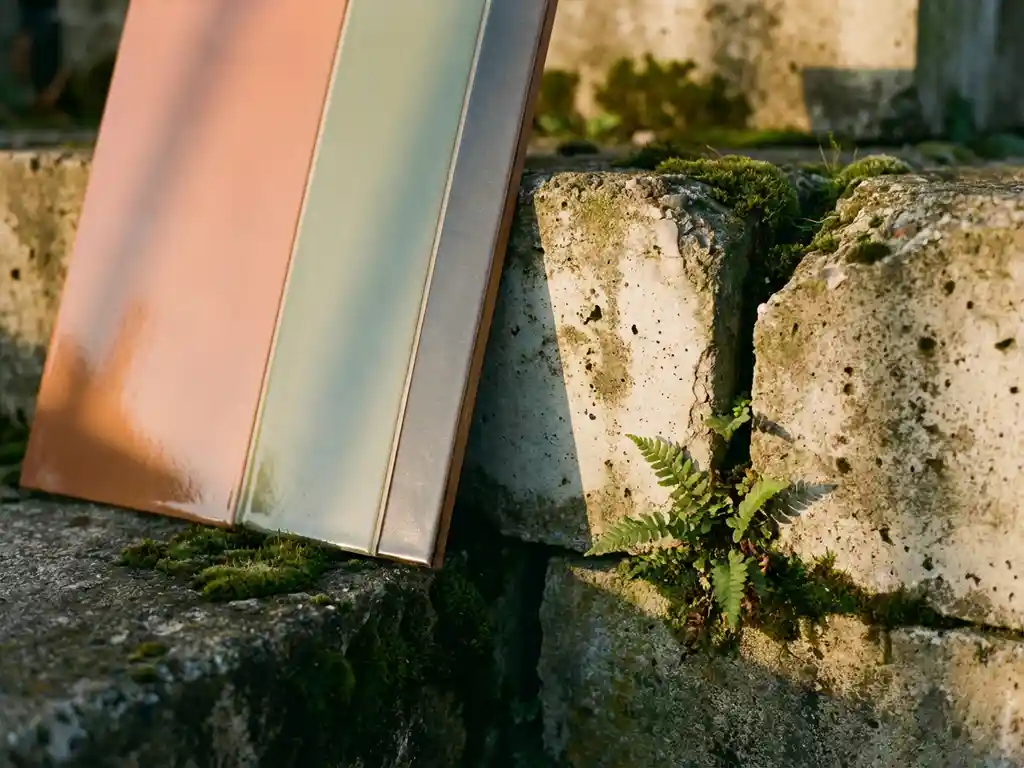
Architects today face increasing pressure to design buildings that minimize environmental impact while delivering exceptional performance and aesthetic appeal. The construction industry accounts for nearly 40% of global carbon emissions, making material selection a critical decision in sustainable design. As building codes evolve and clients demand greener solutions, architects are turning to sustainable building materials that offer both environmental benefits and long-term value.
Among these materials, ceramic façades have emerged as a preferred choice for architects seeking to balance sustainability, durability, and design flexibility. Understanding why these materials have gained such prominence requires examining their inherent properties, environmental advantages, and contribution to overall building performance.
What makes ceramic building materials sustainable?
Ceramic building materials are sustainable because they are made from abundant natural clay, require no chemical additives, and can be completely recycled at the end of their life cycle. The manufacturing process uses high-temperature firing to create an inert, non-toxic material with exceptional durability.
The sustainability of ceramic materials stems from several key factors. First, clay is one of the most abundant natural resources on Earth, making it a renewable raw material. Unlike synthetic materials that rely on petroleum-based chemicals, ceramic production uses only natural clay deposits, which have minimal environmental impact during extraction.
The firing process, while energy-intensive, creates a material that lasts for decades without degradation. This longevity means fewer replacements over a building’s lifetime, reducing the overall environmental footprint. Additionally, ceramic materials are completely recyclable and can be crushed and re-formed into new products, supporting circular economy principles in construction.
Why do architects choose ceramic façades over other materials?
Architects choose ceramic façades because they offer superior durability, design flexibility, and maintenance-free performance while meeting stringent fire safety requirements. Ceramic materials provide virtually unlimited color and texture options without compromising structural integrity or environmental responsibility.
The appeal of ceramic façades extends beyond their aesthetic versatility. These materials are classified as A1 building materials, meaning they are completely non-combustible and contain no flammable components. This fire resistance makes them ideal for high-rise buildings and structures with strict safety requirements.
Ceramic façades also offer practical advantages that architects value. Their low surface weight, typically around 40 kilograms per square meter, allows for lighter substructures and more flexible installation methods. This characteristic makes them particularly suitable for timber construction projects where weight reduction is crucial. The interlocking profile system enables quick, precise installation, reducing labor costs and construction time.
How do ceramic façades contribute to green building certifications?
Ceramic façades contribute to green building certifications by providing points in multiple categories, including materials and resources, energy efficiency, and indoor environmental quality. Their recyclability, durability, and lack of volatile organic compounds help projects achieve LEED, BREEAM, and other sustainability standards.
Green building certification systems reward materials that demonstrate environmental responsibility throughout their life cycle. Ceramic façades excel in the materials and resources category because they are made from abundant natural materials and are 100% recyclable. Their long lifespan reduces the need for replacement, contributing to waste reduction goals.
Energy performance is another area where ceramic façades add value to certification efforts. Their thermal properties and ability to create effective ventilated façade systems can improve building energy efficiency. The materials’ UV resistance and color stability also mean buildings maintain their intended solar reflectance properties over time, supporting long-term energy performance.
What are the long-term environmental benefits of ceramic building materials?
The long-term environmental benefits of ceramic building materials include decades of maintenance-free performance, complete recyclability, and reduced life-cycle carbon emissions. These materials resist weathering, UV degradation, and chemical damage, eliminating the need for protective coatings or frequent replacements.
Over a building’s 50- to 100-year lifespan, ceramic materials require virtually no maintenance or replacement. This durability translates into significant environmental savings by eliminating the need for cleaning chemicals, protective treatments, or periodic material replacement. Integrated graffiti protection and permanent color stability further reduce maintenance requirements.
When buildings reach the end of their useful life, ceramic façade elements can be easily deconstructed and sorted by component type. This facilitates complete material recovery and reuse, supporting circular economy principles. The ability to precisely manufacture ceramic elements also reduces waste during installation, as pieces can be produced to exact specifications with minimal cutting or modification required on-site.
How TONALITY® Delivers Sustainable Ceramic Solutions
TONALITY® ceramic façades represent the pinnacle of sustainable building materials, combining environmental responsibility with exceptional performance. Our ceramic elements are manufactured using Europe’s highest-quality clay deposits through a specialized sinter-firing process that delivers unrivaled durability and maintenance-free performance.
Key sustainability advantages of TONALITY® ceramic façades include:
- 100% recyclable ceramic elements that support circular construction principles
- A1 fire classification, ensuring complete non-combustibility without chemical additives
- Lightweight design at only 40 kg per square meter, reducing structural requirements
- Maintenance-free performance with integrated graffiti protection and permanent UV resistance
- Precision manufacturing to within one millimeter, minimizing installation waste
- A simple interlocking installation system that reduces construction time and labor
Ready to specify truly sustainable ceramic façades for your next project? Contact our technical team to discuss how TONALITY® can help you achieve your sustainability goals while delivering exceptional design flexibility and long-term performance. You can also explore our completed projects to see how architects worldwide have successfully integrated sustainable ceramic façades into their designs.