

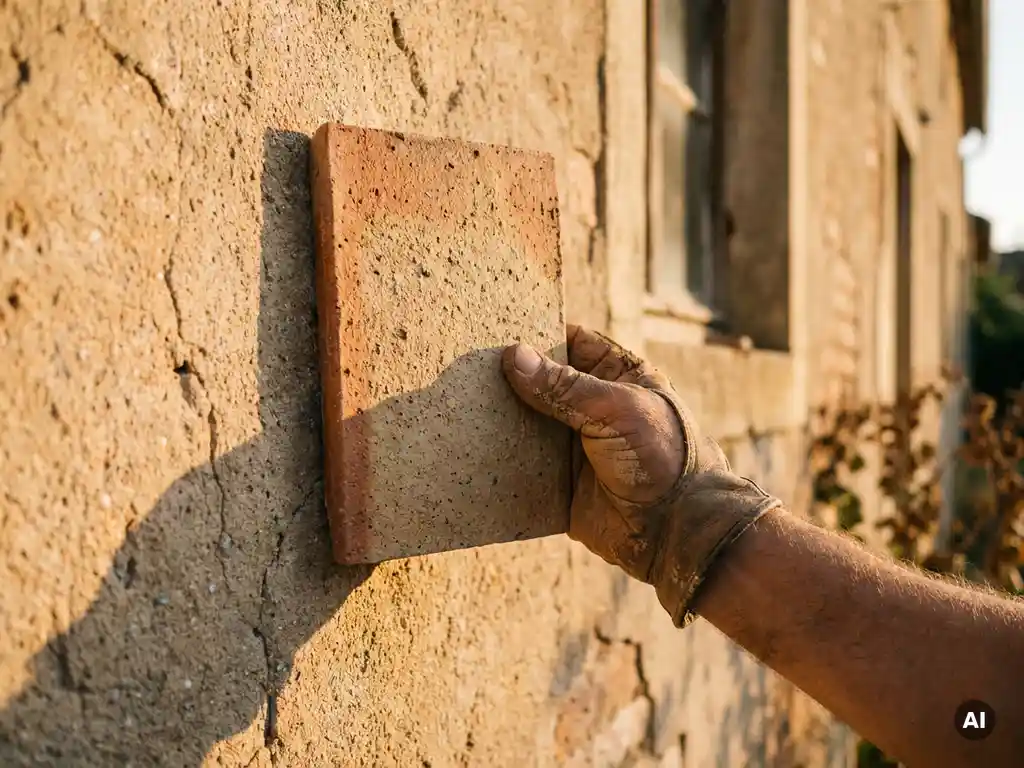
Renovating a building’s facade is one of the most visible upgrades you can make, and getting the tile match right is everything. Whether you are replacing damaged sections, extending an existing cladding, or refreshing a partial elevation, matching new ceramic facade tiles to an existing building requires more than simply ordering the closest color you can find. Small differences in tone, texture, or format become glaringly obvious once installed at scale, especially in direct sunlight or when seen from a distance.
This guide walks you through a reliable, step-by-step process for achieving a convincing match during a ceramic facade renovation, from gathering your reference materials all the way through to confirming technical fit with the substructure beneath.
Gather reference samples and key measurements first
Before you contact any manufacturer or supplier, collect everything you can from the existing facade. This groundwork determines how accurate your match will ultimately be, so take your time here.
- Remove at least two or three intact tiles from a less visible area of the facade, such as behind a downpipe or near a service entrance, to use as physical reference samples.
- Photograph the facade in different lighting conditions: morning light, midday sun, and overcast skies. Colors shift dramatically depending on the light, and manufacturers will need to understand the full range.
- Measure the tile dimensions precisely, including thickness. Note the joint width and profile type used, as these affect how replacement tiles will sit within the existing system.
- Document the fixing system and substructure type if accessible, including whether it uses vertical aluminum retaining profiles or an alternative mounting method.
Once you have physical samples and accurate measurements in hand, you are ready to begin the identification process. Without these, any matching attempt is essentially guesswork.
Identify the tile’s color, surface, and format specifications
With your reference samples collected, the next step is to pin down the exact specifications of the original tile as precisely as possible. Three characteristics define a ceramic facade tile: its color, its surface finish, and its format.
Start with the color. Natural ceramic tiles, particularly terracotta-based products, derive their color from the clay body itself rather than from a glaze or coating. This means the color runs through the full thickness of the tile, which is useful to check by looking at a broken edge. Compare your sample against manufacturer color charts and, where possible, available surfaces and formats to narrow down the original specification.
Next, assess the surface texture. Common surface types include:
- Smooth or sinter-fired surfaces with a dense, low-porosity finish
- Brushed or structured surfaces with a tactile, directional texture
- Natural split or rustic finishes with an irregular, handmade appearance
Finally, confirm the format. Measure length, width, and thickness to the nearest millimeter. Precision matters here: even a few millimeters of difference will affect joint alignment and the visual rhythm of the facade. High-quality ceramic facade tiles can be produced to within one millimeter, so accurate measurement is both achievable and necessary.
Account for weathering and aging differences
This is the step that catches many renovation projects off guard. Even a perfect color match in the factory will look noticeably different on site once installed next to tiles that have been exposed to weather, UV radiation, pollution, and biological growth for years or decades.
Understand what weathering does to ceramic tiles:
- UV exposure can subtly shift the perceived tone of a tile, particularly in warmer, red-clay-based products
- Atmospheric deposits, including dust, pollution, and biological matter, can darken or gray the surface over time
- Water run-off patterns create uneven tonal variation across large elevations
To account for this, request samples in a slightly warmer or more saturated tone than the original specification, depending on how the existing tiles have aged. Some manufacturers can adjust firing temperatures or clay blends to shift the color slightly in a controlled way. It is also worth considering whether a professional facade clean of the existing tiles before installation would help bring weathered surfaces closer to their original appearance, narrowing the gap between old and new.
Verify your approach by placing sample tiles directly against the existing facade in multiple locations and viewing them from a distance of at least ten meters before committing to a full order.
Request custom samples and compare on-site
With your specifications defined and weathering accounted for, the next step is to work with a manufacturer to produce physical samples for on-site comparison. Do not rely on digital color representations or printed swatches alone; screen calibration and print variation make these unreliable for facade tile matching.
- Submit your reference tiles, measurements, and photographs to the manufacturer along with a written specification of the surface type and format required.
- Request a minimum of three sample tiles per proposed color or surface variant so you can compare consistency within the same batch.
- Fix the samples temporarily to the facade in the actual installation zone, not just hold them up against it. Fixing method and shadow depth affect perceived color.
- Observe the samples at different times of day and in different weather conditions before making a final decision.
Many manufacturers offer sample requests and downloads to support exactly this kind of evaluation process. Take full advantage of this service before placing a production order. The time invested at this stage saves significant cost and disruption later.
Confirm technical compatibility with the existing substructure
Even a visually perfect tile match will fail if the new ceramic elements are not compatible with the existing fixing system and substructure. Before finalizing your order, carry out a technical review of the mounting system already in place.
Check the following:
- The type and condition of the existing substructure, whether steel, aluminum, or timber-based
- The load-bearing capacity of the substructure, particularly if the new tiles differ in weight from the originals
- The fixing profile type and whether it is compatible with the back profile of the new tiles
- Whether the existing system meets current building regulations and fire protection requirements, particularly if the building is timber-framed
Ceramic facade tiles classified as building material class A1 are non-combustible and contain no combustible components, which is a significant advantage in renovation projects where fire safety compliance may have tightened since the original installation. If the substructure needs upgrading, the relatively low surface weight of modern single-layer ceramic products, typically around 40 kilograms per square meter, means that lighter substructures can often be used, reducing both structural intervention and installation time.
Once technical compatibility is confirmed and your sample comparison is complete, you are ready to place a production order with confidence that the finished result will be both visually coherent and structurally sound.
How TONALITY® supports ceramic facade tile renovation
Matching ceramic facade tiles to an existing building is a detailed process, and having the right manufacturing partner makes a significant difference. TONALITY® is specifically equipped to support renovation projects where precision, consistency, and long-term performance are non-negotiable.
- Custom color and surface matching: TONALITY® produces ceramic elements from the highest quality clay deposits in the Westerwald region, with precise control over color, surface texture, and format. Tiles can be produced to within one millimeter across a range from 150 x 300 mm up to 400 x 1,600 mm.
- Physical sample service: Samples can be requested directly to support on-site comparison before any production commitment is made.
- Lightweight, low-maintenance performance: With a surface weight of around 40 kg per square meter, TONALITY® tiles place minimal load on existing substructures. Integrated graffiti protection, permanent UV resistance, and a maintenance-free sinter-fired surface ensure the new tiles will retain their appearance long term, protecting the investment over the full life cycle of the renovation.
- Fire safety compliance: All TONALITY® ceramic elements are classified as building material class A1, fully non-combustible and suitable for use on timber-frame buildings and renovation projects with strict fire protection requirements.
- Sustainability and reusability: Tiles are 100% recyclable and can be deconstructed and sorted by component type, supporting circular construction principles in renovation work.
If you are planning a ceramic facade renovation and want expert guidance on achieving the right match, get in touch with the TONALITY® team directly. You can also explore completed reference projects to see how TONALITY® facades perform across a wide range of building types and renovation contexts.